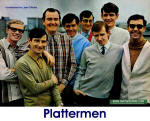
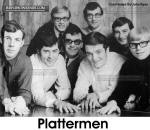
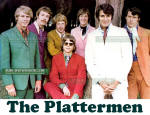
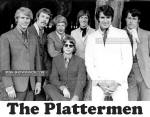
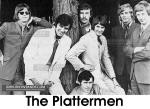
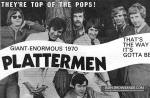
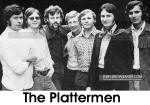
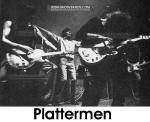
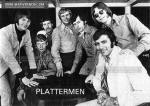
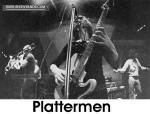
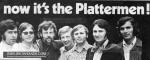
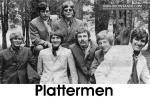
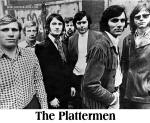
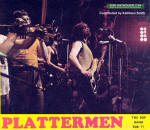
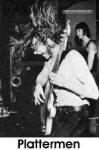
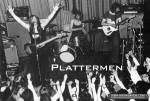
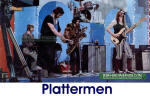
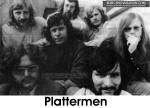
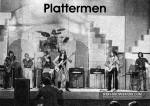
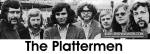
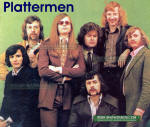
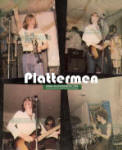
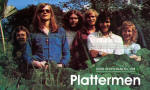
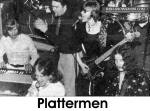
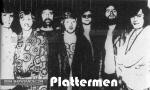
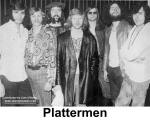
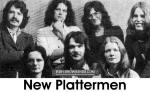
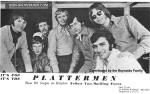
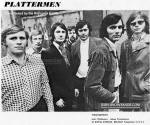
The Plattermen (1964-present)
Photo Gallery -
Band Lineups -
Discography
- Audio samples -
Where Are They Now?
The Story
Although
there have been literally thousands of bands, showbands, and country groups in
Ireland, very few get to enjoy the kind of success reserved only for the very
best...even rarer is it happening twice to the same band, but in different
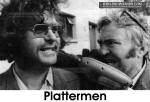
genres. The Plattermen were just such an enigma. Starting out in their
native Omagh, they would go on to have one of the most
interesting histories in Irish entertainment.
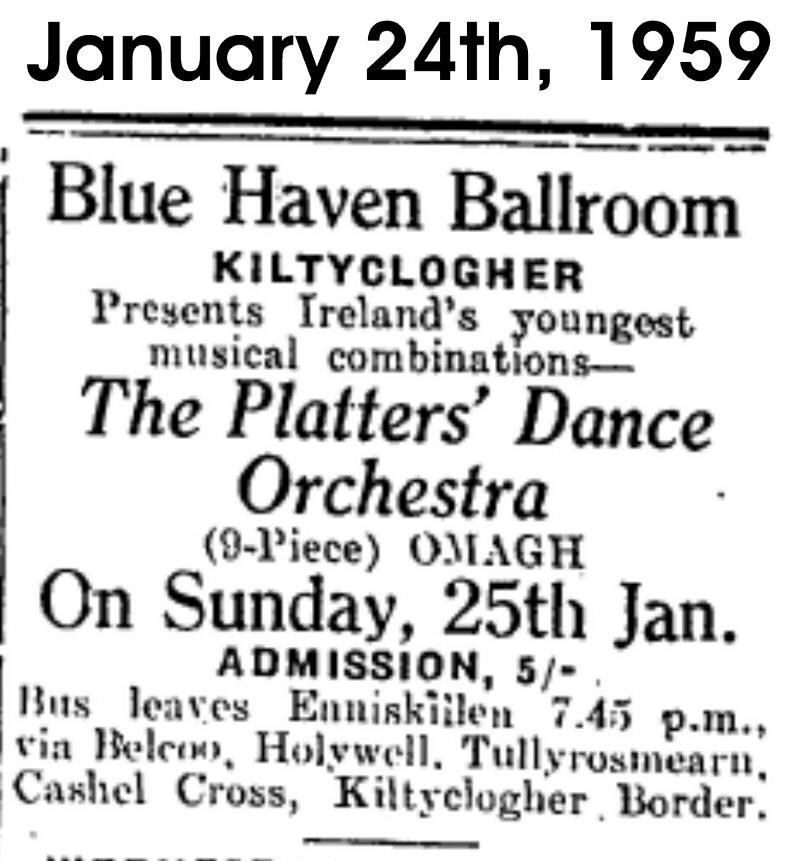
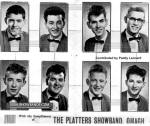
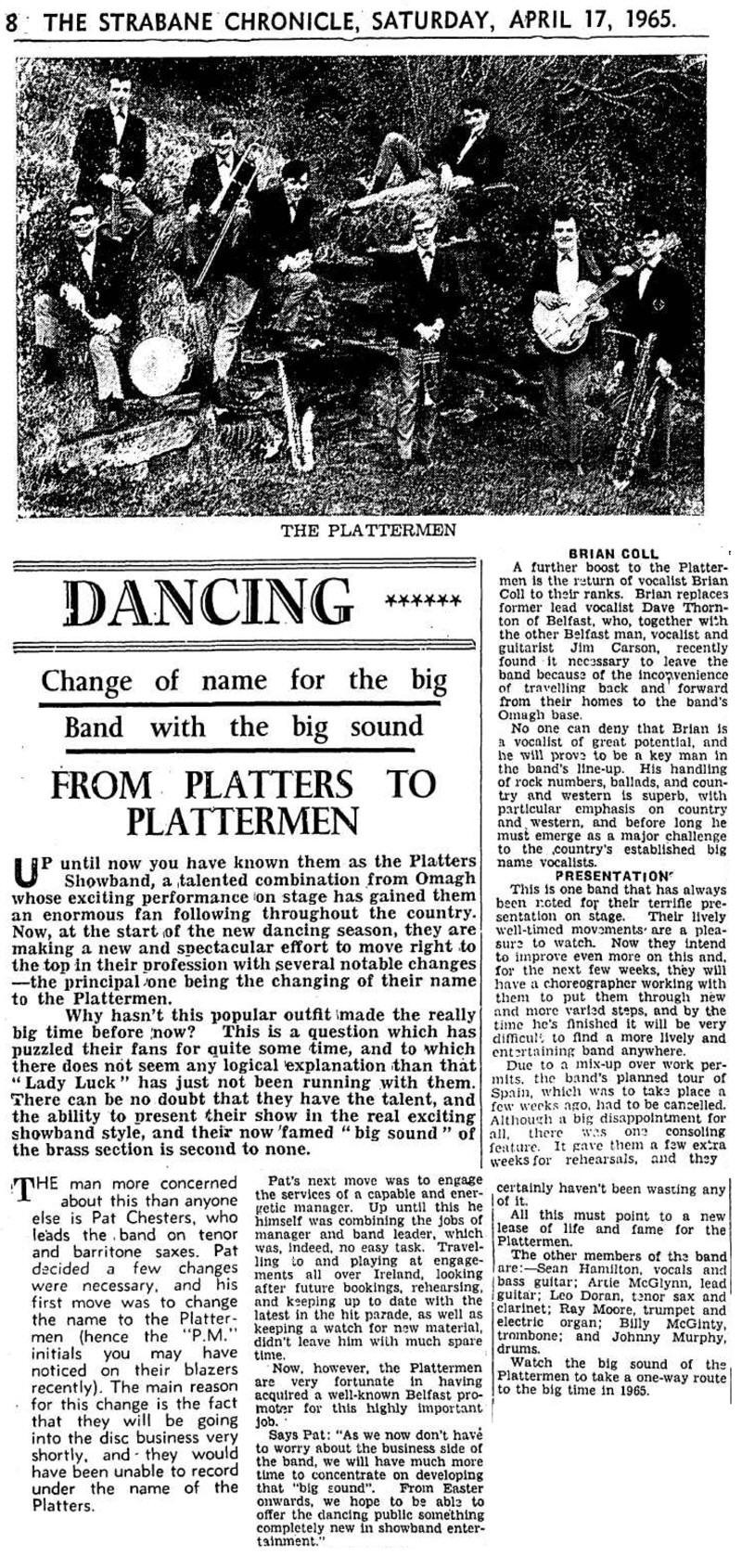
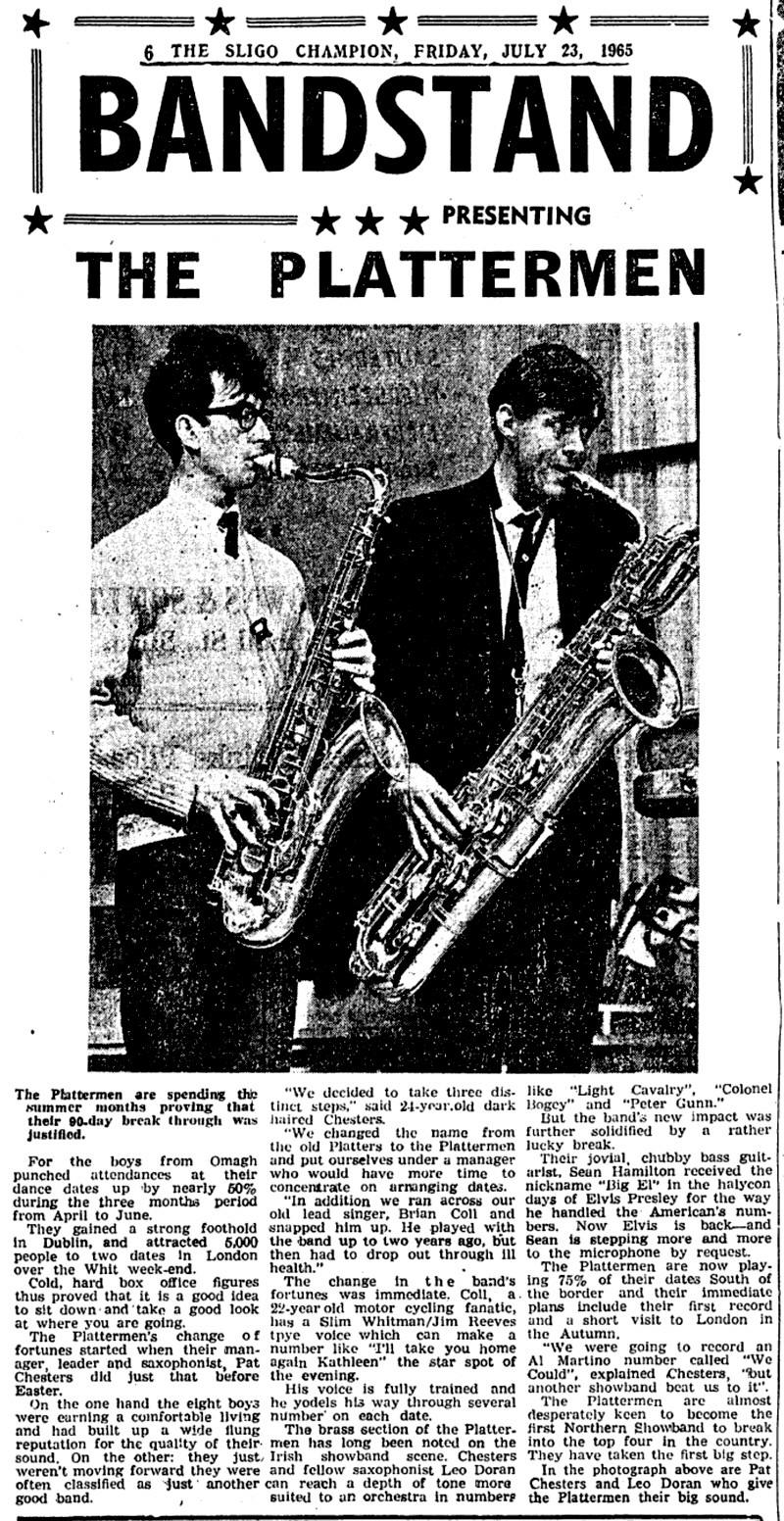
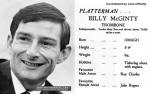
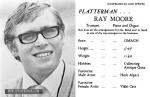
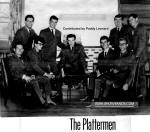
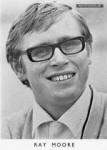
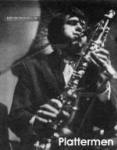
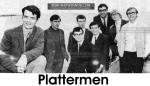
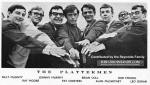
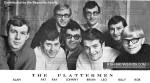
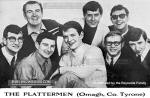
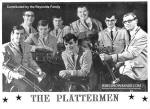
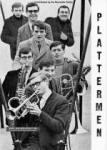
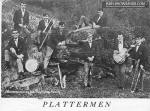
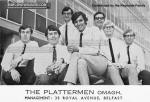
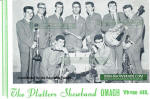
Schoolboy friends in Omagh, Ray Moore, Leo
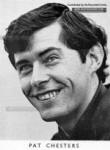
Doran, Billy McGinty, and Pat Chesters formed a band to play local
dances in the late 1950's. It wasn't long before they wanted to try
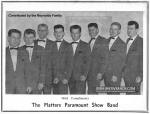
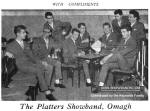
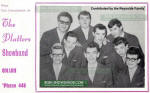
their hand at becoming a showband. From its inception, originally as The
Platters Showband, the group was different--heavy on the brass (they
had no separate keyboard player, although Ray Moore played organ and
piano) and a yodeling country lead singer. The
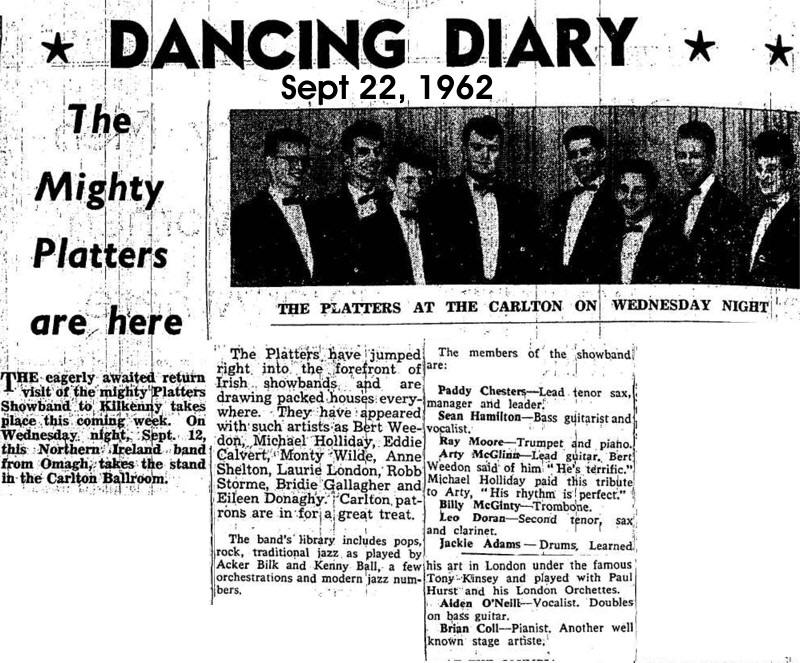
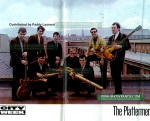
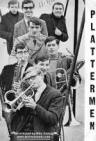
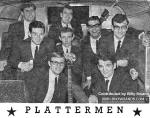
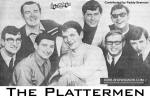
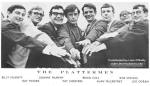
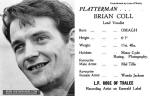
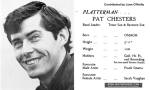
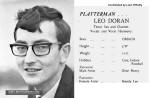
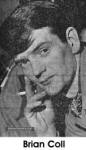
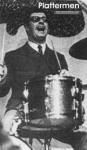
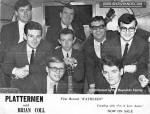
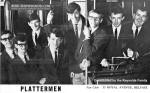
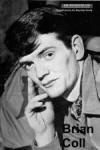
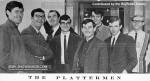
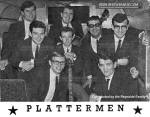
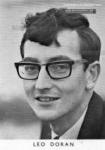
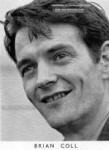
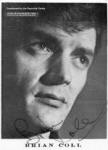
original lineup was: Brian Coll (vocals), Pat Chesters (sax), Leo
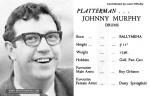
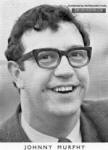
Doran (sax), Billy McGinty (trombone), Ray Moore (trumpet), Johnny
Murphy (drums), Arty McGlynn (guitar), Sean Hamilton (bass) and a
Aidan O'Neill (vocals-our thanks to Brian McCaul for Aidan's info).
Aidan left the band in 1964 when an operation left him deaf in one
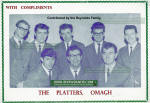
ear so he left the business. The boys also soon had to change their name to avoid confusion with the American Platters.
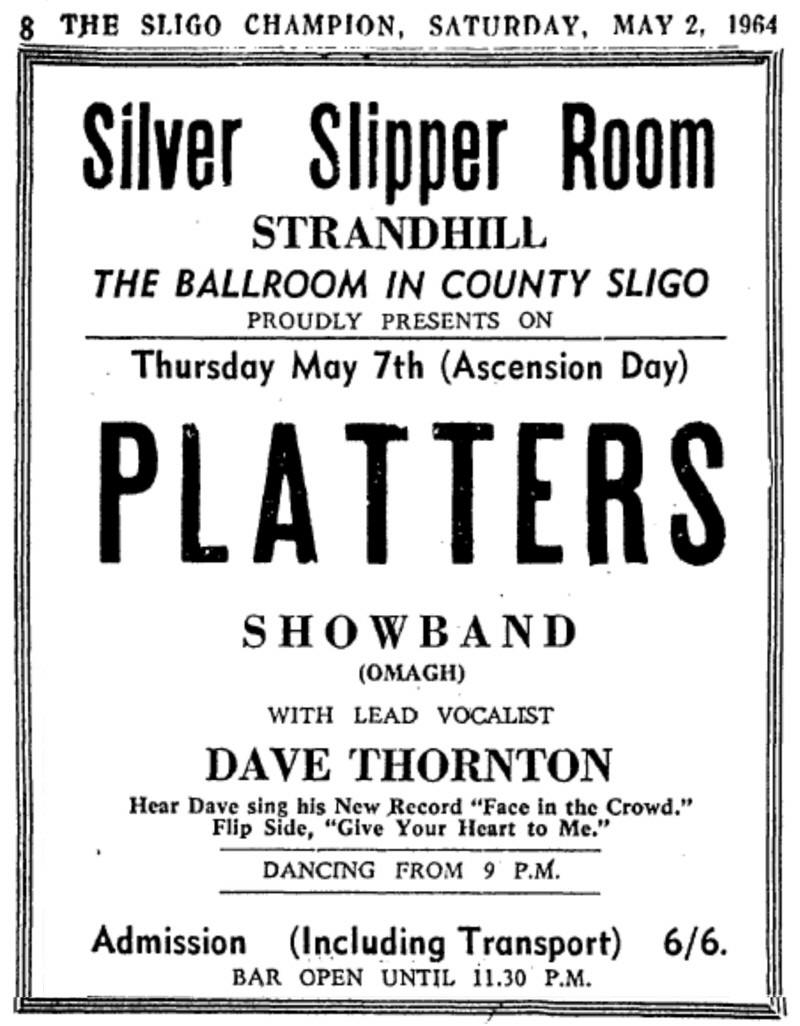
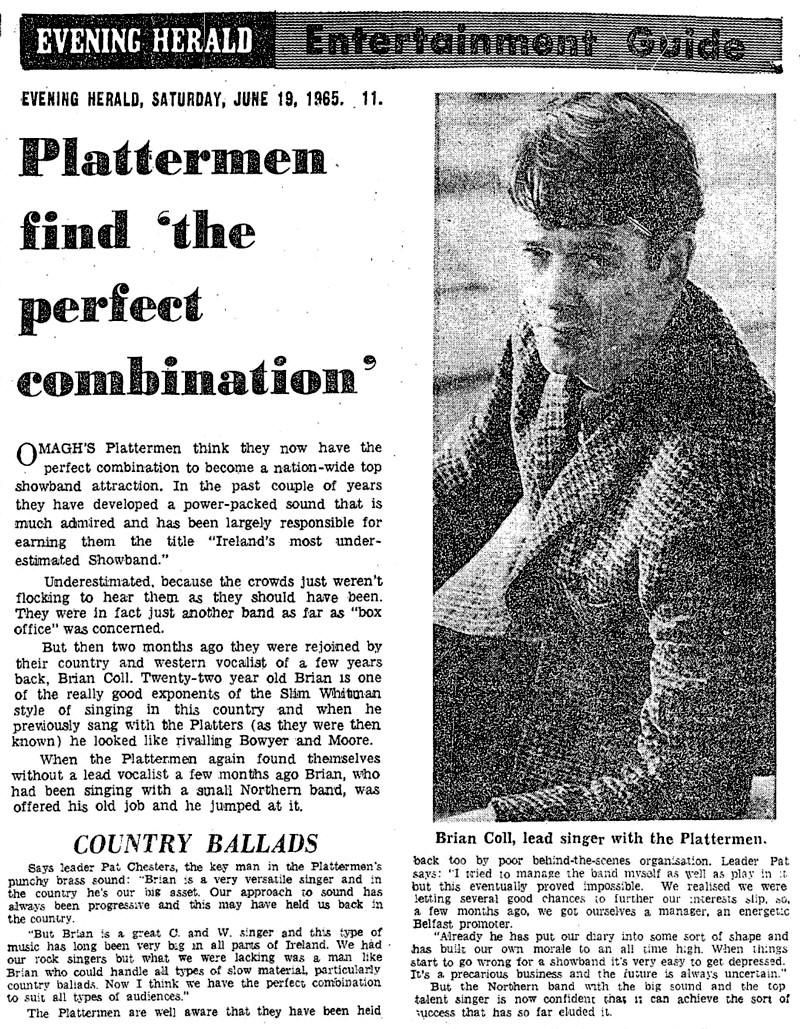
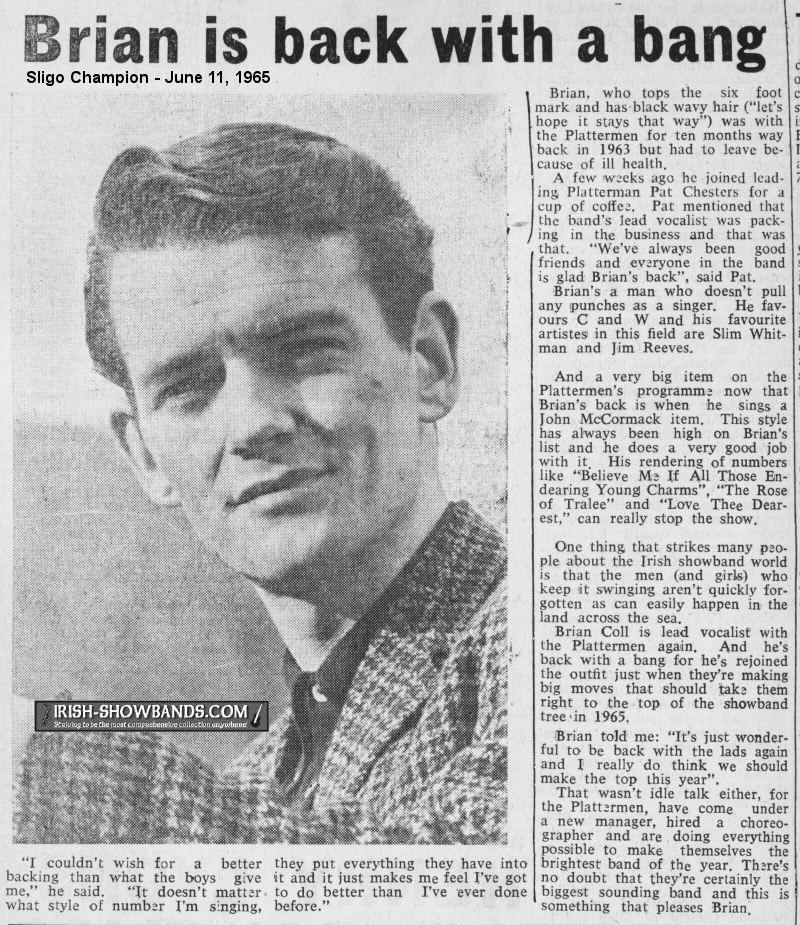
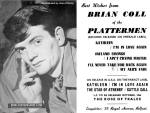
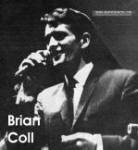
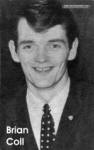
In 1963, Brian Coll left the band due to illness
and was replaced by Dave Thornton. In 1965, Dave decided to pack in
the Irish entertainment business and Brian met with Pat Chesters who
asked him to rejoin the band.
Once together again, Brian and the
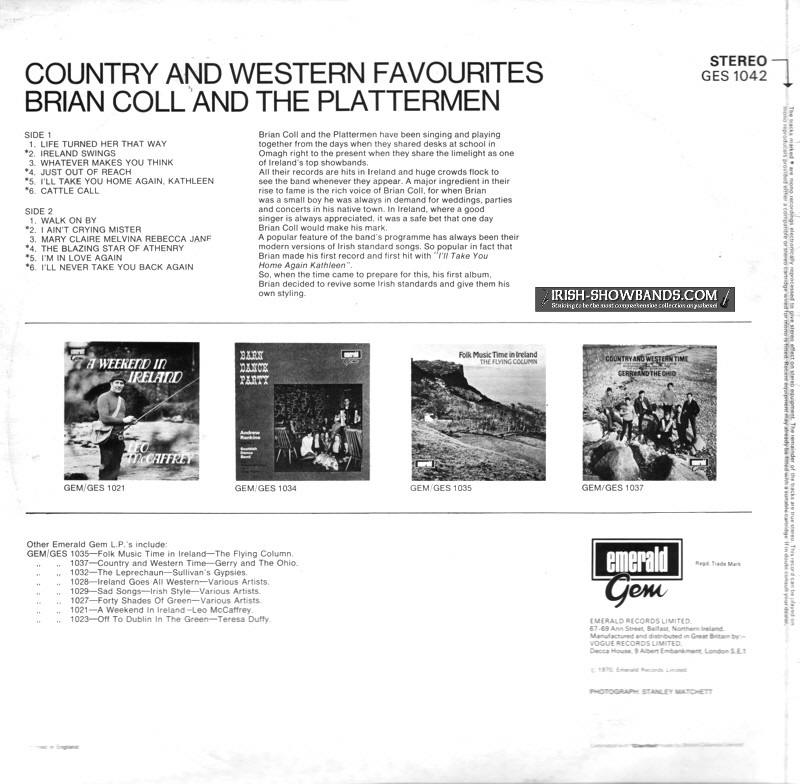
band went from strength to strength. Their first single, "Kathleen,"
provided the impetus they needed to start pulling in the punters in
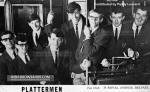
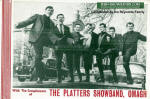
the ballrooms. Other than Brian, from their start to 1967, there were no changes in the
lineup.
However, in 1967, there were two lineup changes that would
alter
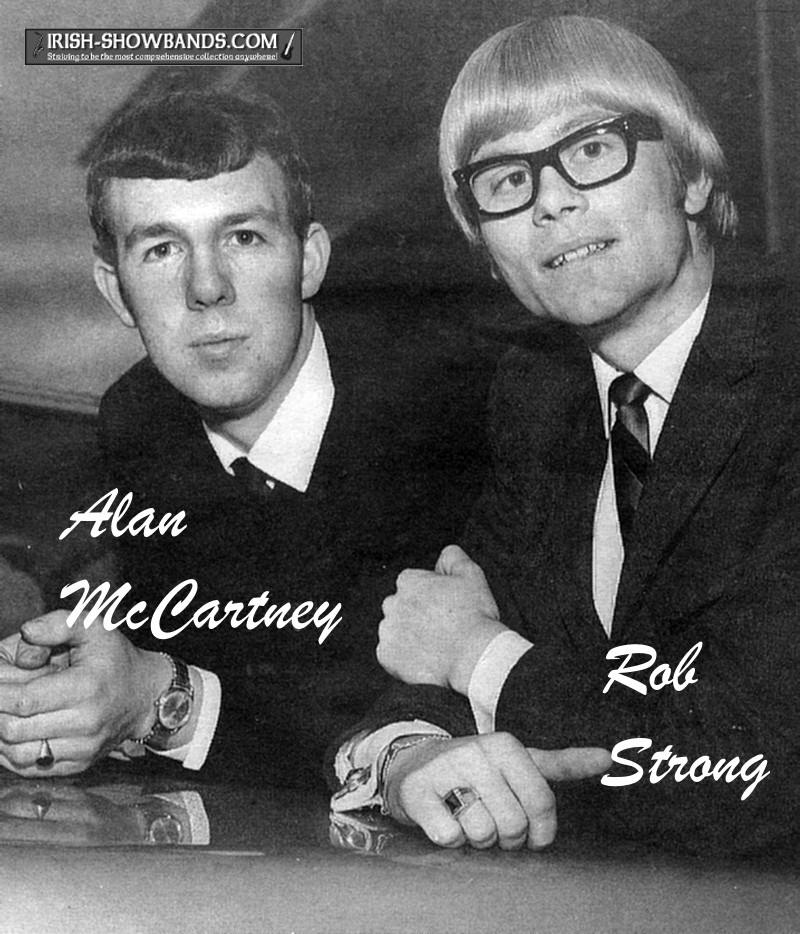
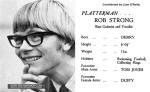
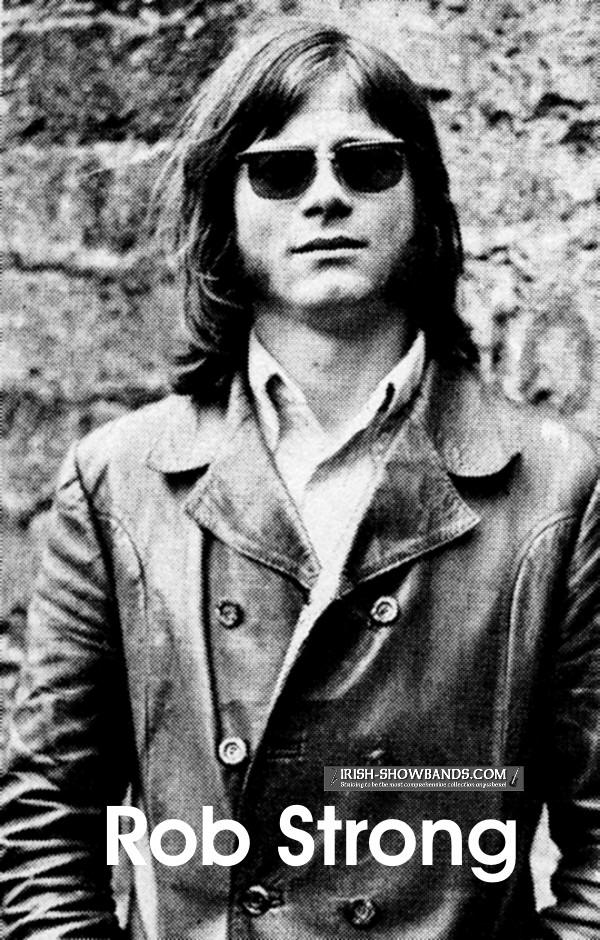
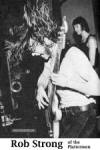
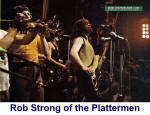
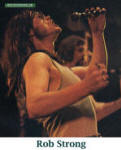
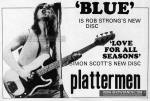
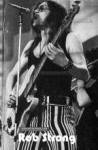
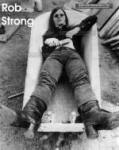
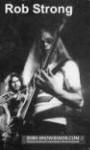
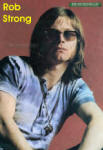
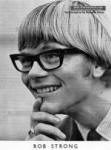
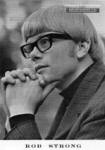
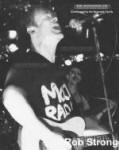
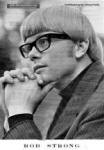
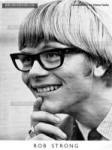
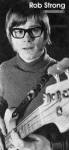
history. Sean Hamilton left the band and was replaced by Rob Strong,
who had been with Frankie McBride and the Polka Dots (the first band
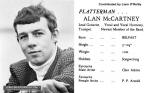
Brian had sang with). Additionally, Arty McGlynn decided he had
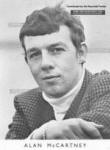
enough of the showband life and was replaced by guitarist, Alan
McCartney.
The new lineup created a new set of problems
for the band. The strong brass arrangements of Pat and the boys,
coupled with the strong rock vocals Rob brought to the band started
a move in a new
direction. In the end, in 1968 when Brian Coll left to form
The Buckaroos (who would
later be rejoined by Arty McGlynn after he spent four years on the sidelines)
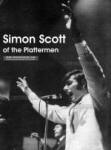
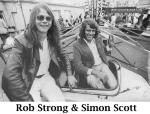
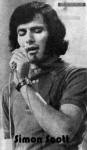
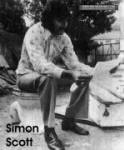
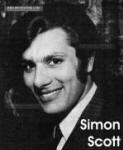
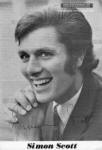
the band made a major change. Simon Scott came to the band and
handled all the ballads and pop, but there would be no more country and no more yodeling.
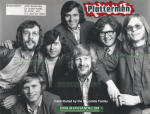
It
was straight ahead rock and blues, with Blood, Sweat and Tears-style horn riffs
bringing the band charging into the seventies. The band also added
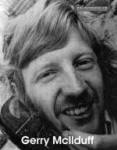
Ivan Laybourne on keyboards and Gerry McIlduff on drums, to provide the hard driven beat they would
need for their pop/rock programme.
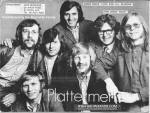
In 1971, Ivan left the band to join The
Freshmen, replacing Billy Brown who left to start a solo career
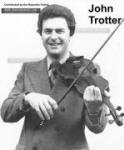
(although he would return to The Freshmen later in the 1970's.) John
Trotter was brought in on trombone (he could also play piano and
electric fiddle) making his debut January 4, 1971. In an ad in
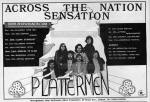
New Spotlight magazine that same week, the Plattermen announced,
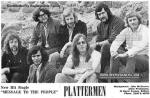
"In '71 We're Goin' Kinda Heavy." The band
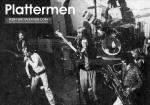
continued move towards heavier rock music. Anyone who heard the
Plattermen for the first time in 1972, would have found it hard to
believe that just a few years earlier, they were backing country
crooner, Brian Coll!
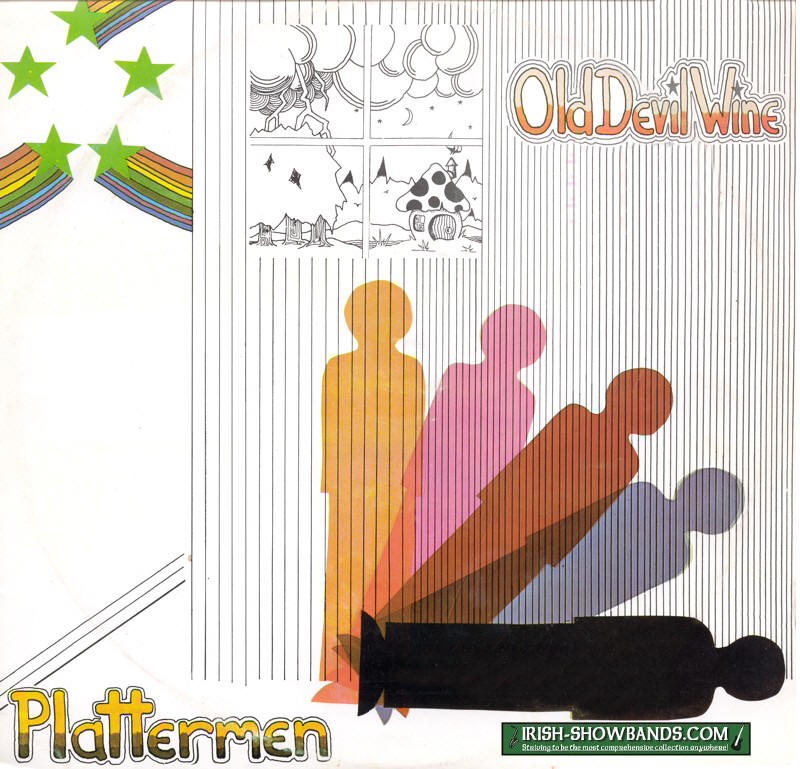
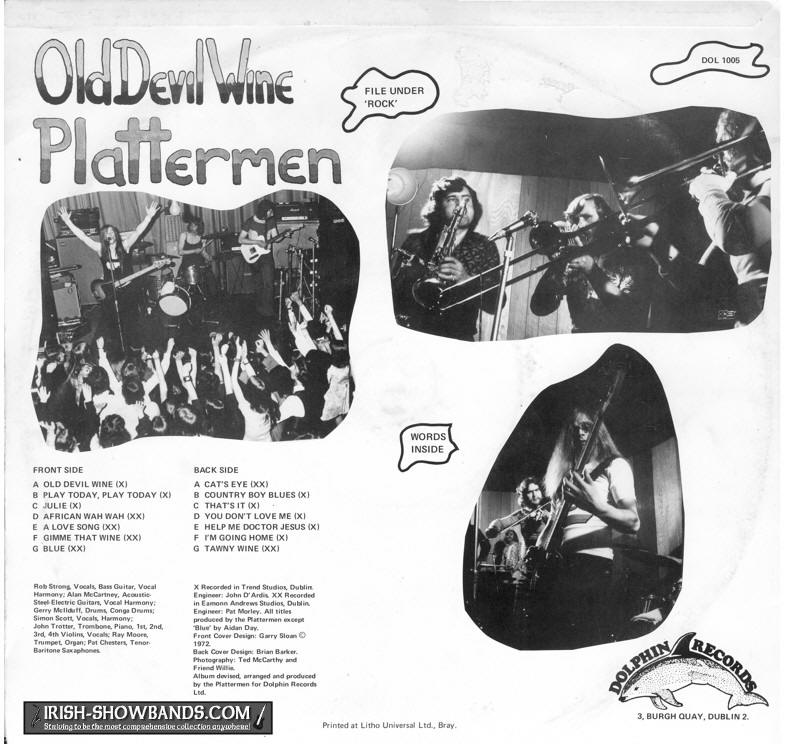
In 1972, the band released it's first album,
Old Devil Wine, a 14 song collection of which only three tracks were
not written by the band. The album was recorded in Trend and
Eamon Andrews studios in Dublin and released in Ireland to great
critical acclaim. It also carried the label "File under Rock" for
those shop owners who may have thought Brian Coll was still with the
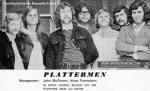
band. In 1973 under then manager John McGovern, the
band made an assault on the British charts releasing the song, "Rock
Off," under the name "Hammer," but didn't really get very far.
However, they did appear on the RTE program "The Musicmakers."
Unfortunately for many lovers of the band, by 1974 the second phase of
The Plattermen was at an end. For six years, they had been
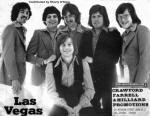
one of the driving pop and rock influences on the Irish scene. Rob Strong left to form a new band,
Las Vegas, which would eventually feature Kelley, formerly of the
Nevada
and Big Eight. Also in 1974, Ray Moore left to join Paddy Cole's new
band after Paddy left the Big Eight, and at the same time Pat
Chesters stepped into Paddy's vacated role with the Big Eight.
The
new band was targeted more at the pop dance crowd, leaving Simon Scott
to front the Plattermen. Within a few years, (May, 1978) Rob Strong and the Rockets
were on
the go, having disbanded Las Vegas. Then in December of 1978, the
Apaches, a new band that splintered off from the successful
Indians
(formerly the Casino Showband) featured Simon Scott appearing
as Big Chief.
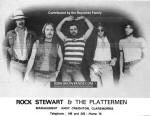
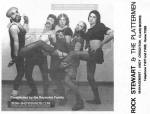
As the 80's came to a close, The Plattermen needed to reinvent themselves
and they did when they added lead singer Willie Loughrey from
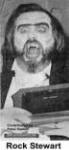
Newtownstewart to the lineup. The ultimate showman, Willie assumed
the stage name, Rock Stewart, and in the following years, he and the
band have continued to wow audiences with some outrageous shows.
Following in the footsteps of David Bowie's Ziggy Stardust and other
glam rockers, Willie devised a series of
themes in the
form of famous notorious characters such as Dracula, Frankenstein
and Rasputin with costumes that could have come from a Hollywood
studio.
One of his
signature entrances was being carried onstage in a coffin, only to
emerge as Dracula or some other ghoulish character. Legend has it
that his "zany performances" (Willie's words from a 2002 article in
the Derry Journal) weren't always appreciated and stories still
circulate about a night when Willie was pulled from the stage by an
audience that thought his entrance as a skeleton was a poke at the
H-Block hunger strikers. What cannot be denied is the fact that the
gimmick has worked and the band continues to play to packed shows to
this day.
So from its
beginning as a showband/country outfit featuring, Brian Coll, one of
Ireland's top stars of the genre, to ten years as a sweaty
rock and blues outfit under the legendary Rob Strong and Simon
Scott, through a twenty five year plus history as a theatrical band
highlighting the sometimes outrageous performances by Rock Stewart,
the Plattermen go on. Along with only a handful of their
contemporaries, they have endured through the years to maintain a
link to the years when showbands roamed the planet!
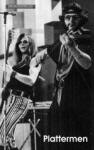
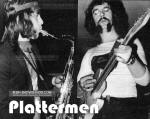
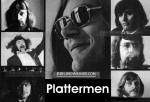
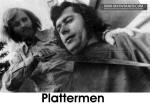
click on thumbnails for full image