All
About Teddie Palmer
(stage career 1962-1985)
Photo Gallery -
Band Lineups -
Discography
- Audio samples -
Where Are They Now?
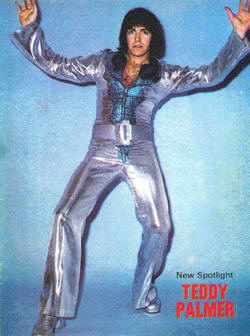 The Story
The early seventies were a turbulent time in music as rock and roll began mutating in a thousand different directions. Musicians experimented with a variety of new genres, from the country rock of the Eagles to the "glam rock" of
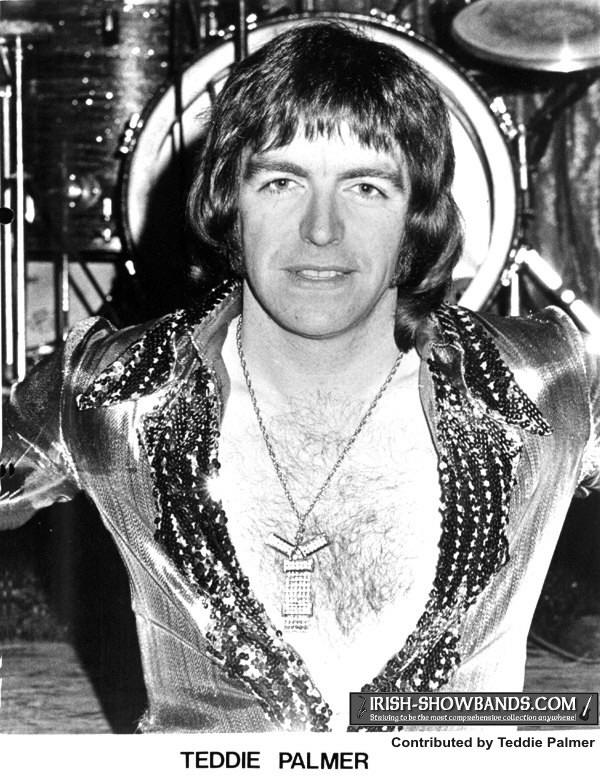
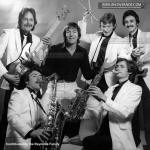
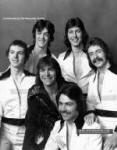
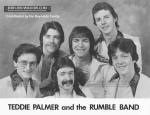
Marc Bolan, David Bowie, and Gary Glitter. Teddie Palmer and his Rumble Band emerged from
Northern Ireland around this time to become Ireland's own masters of glam rock.
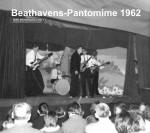
But Teddie's story started many years earlier when he began his career playing the clubs in Belfast. It was 1962, and the Beatles
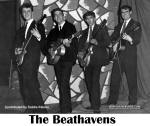
were still unheard of when Teddie formed his first trio,
The Beathavens. They just played locally
doing gigs like the Youth Guild Panto.
Never really getting anywhere, Teddie soon left the trio and moved onto his
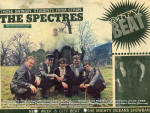
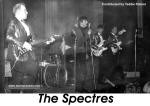
first "real" group, The Spectres.
The Spectres
didn't take long to make a splash and released a single, The Facts of Life, recorded for The Queen's University Rag Day
to raise money for charity. Teddie penned the lyrics to the song and the single was a local classic.
It is now valued at £280 according to the "Rare Record Collector."
Over the next few years, Teddie would struggle to find himself musically, rarely
staying long with any one band.
The
Spectres broke up in 1966 with lead guitarist, John Bell, going his own way
forming a three piece combo which he still called The Spectres.
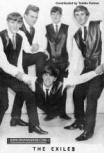
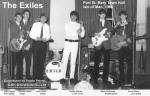
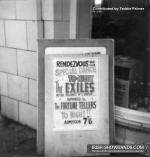
Meanwhile, Teddie and the rest of the band found a new guitarist, Dave Storey, and called
themselves The Exiles.
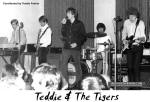
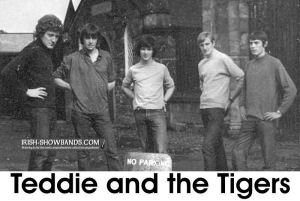 In 1966, Teddie went pro and formed
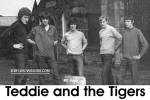
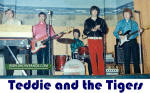
Teddie and the Tigers, a pop group
that played everything from the Beatles to Hendrix and featured guitarist Tiger Taylor, who would later become a key member of the
Freshmen.
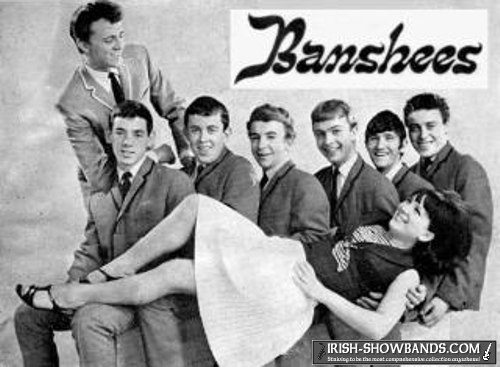
Tiger had previously been a member of Northern group
The Banshees (featuring Dinky O'Day),
who went on to become The
Sinners, as well as Sam Mahood and Just Five prior to joining Teddie. The
band built up a great following in Belfast, but rarely
ventured outside the city limits in those early years. Teddie and the Tigers released
a single, First Love Never Dies b/w Hold On, I'm Coming.
In 1966, Teddie went pro and formed
Teddie and the Tigers, a pop group
that played everything from the Beatles to Hendrix and featured guitarist Tiger Taylor, who would later become a key member of the
Freshmen.
Tiger had previously been a member of Northern group
The Banshees (featuring Dinky O'Day),
who went on to become The
Sinners, as well as Sam Mahood and Just Five prior to joining Teddie. The
band built up a great following in Belfast, but rarely
ventured outside the city limits in those early years. Teddie and the Tigers released
a single, First Love Never Dies b/w Hold On, I'm Coming.
During this period, the group scene in Belfast
was exploding with local groups competing for the "top spot" on the
club scene. Teddie and the Tigers were regularly compared to Van
Morrison's famous group, Them and, in fact, beat them out, being
named the top group in one poll. Although the scene was vibrant and
drew a lot of attention, the bands were not getting paid with £25
being the average fee for a rock group in those days.
However, before
long, Teddie and the band split up, Tiger joining the Freshmen and Teddie joining his first
real "showband,"
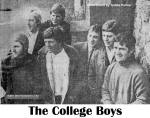
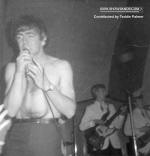
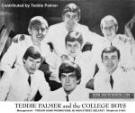
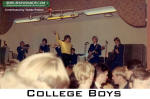
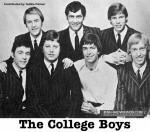
The College Boys based in Belfast
in November, 1967.
The College Boys made a bit of a splash and released the single, Simon Says,
but Teddie was soon on the move again.
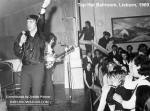
In
November, 1968, Teddie left
The College Boys and
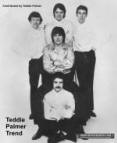
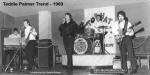
formed his own band, the Teddie Palmer Trend.
In a Spotlight interview at the time, he said he had only been
singing 1/3 of the songs with the band and got bored standing
around. The five piece band was one of the first groups in Ireland without brass to play showband gigs (as opposed to groups who formerly played in ballrooms on
special 'group' nights, usually mid weeks). Chips later became the first non-brass group to
conquer the national
ballroom circuit in Ireland, and as Teddie says, "we only scratched the surface."
The Trend released a single, Stay
With Me Baby on Dolphin Records. However, the group's name was short lived (late '68-early
'69) as the Musicians Union in Belfast had allowed Teddie to register the name,
not knowing the Derry branch had already registered Peter Boy and the Trend in Derry. Teddie was forced to change the group's name, but
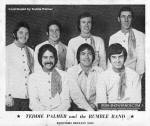
he also added two sax players (Hugo Andrews and James McCorristan) bringing the band from five to seven members
and made the big jump from being a group to a showband, and
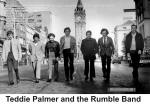
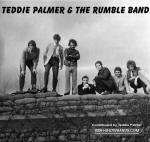
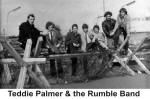
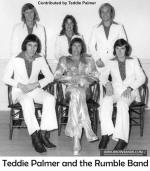
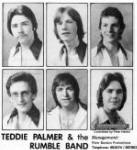
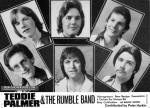
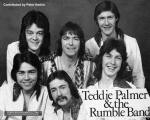
The Rumble Band was born.
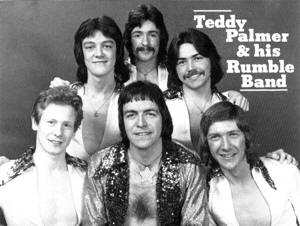 It was
October 3, 1969 when The Rumble Band hit the road
with their first gig in the Embassy Ballroom, Derry--coincidentally the home
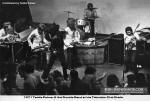
town of the previously mentioned Trend. The move also jump started Teddie's career "outside" Northern Ireland. The band played pop and good old rock and roll and made great inroads in Dublin, playing in the Television Club, 5 Club, and numerous other prestigious gigs.
On September 3, 1970, the band took part in a bit of Irish music history when
they appeared at the Dublin Music Festival held at Richmond Park. On the same
bill that day were: Mungo Jerry, Granny's Intentions, White Magic, Thin Lizzy,
Blues House, Gypsy, Portrait, and Teddie Palmer and the Rumble Band.
It was
October 3, 1969 when The Rumble Band hit the road
with their first gig in the Embassy Ballroom, Derry--coincidentally the home
town of the previously mentioned Trend. The move also jump started Teddie's career "outside" Northern Ireland. The band played pop and good old rock and roll and made great inroads in Dublin, playing in the Television Club, 5 Club, and numerous other prestigious gigs.
On September 3, 1970, the band took part in a bit of Irish music history when
they appeared at the Dublin Music Festival held at Richmond Park. On the same
bill that day were: Mungo Jerry, Granny's Intentions, White Magic, Thin Lizzy,
Blues House, Gypsy, Portrait, and Teddie Palmer and the Rumble Band.
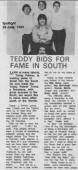
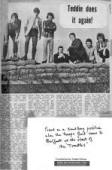
Although things were going well, Teddie still wasn't satisfied with his success in the South and in 1972, he signed with new manager, Peter Bardon,
who in October 1970 had purchased Thin Lizzy's management in a deal for £150
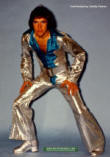
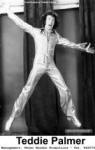
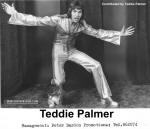
along with Brian Tuite from Terry O'Neill. Peter suggested a new "glam
rock" look for the Rumble Band and once Teddie and the boys donned their
glitter suits, they became an instant hit across the country. In early 1972,
guitarist Billy McCoy left to join Lyttle People and was replaced by Victor
McCullough who had previously been with The Dreams. In August, 1972, Billy would
leave Lyttle People and return to the band for a short while.
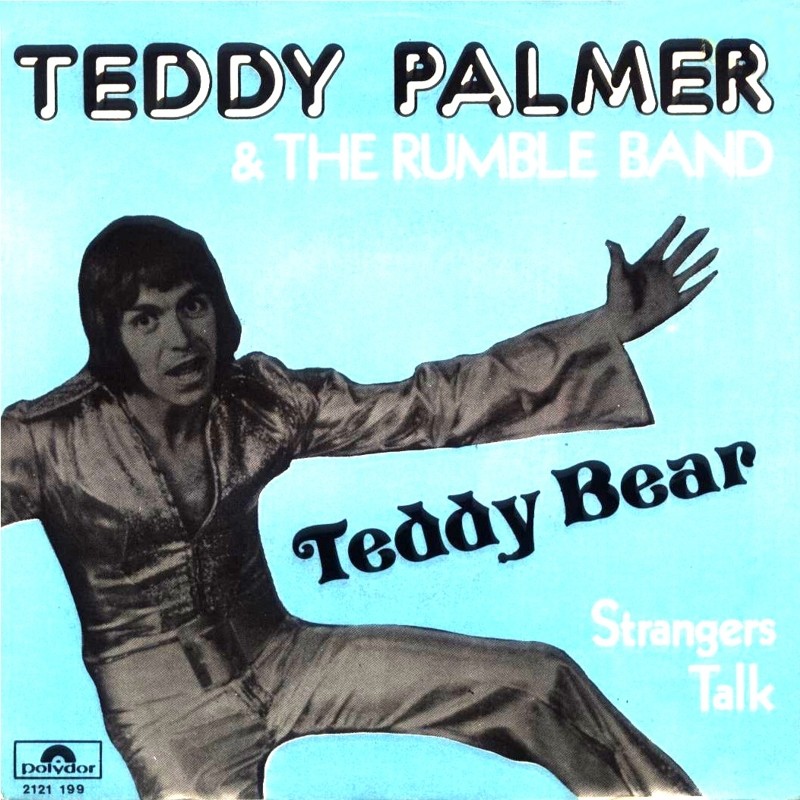
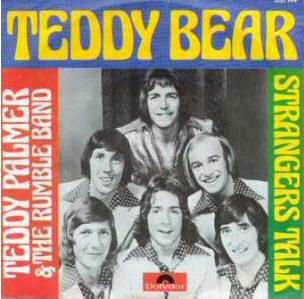
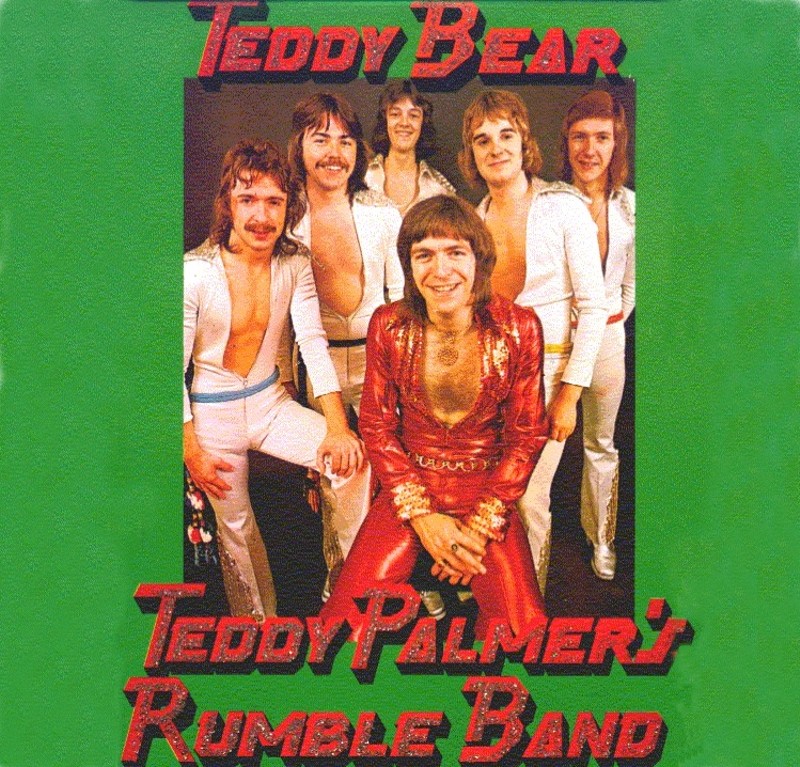
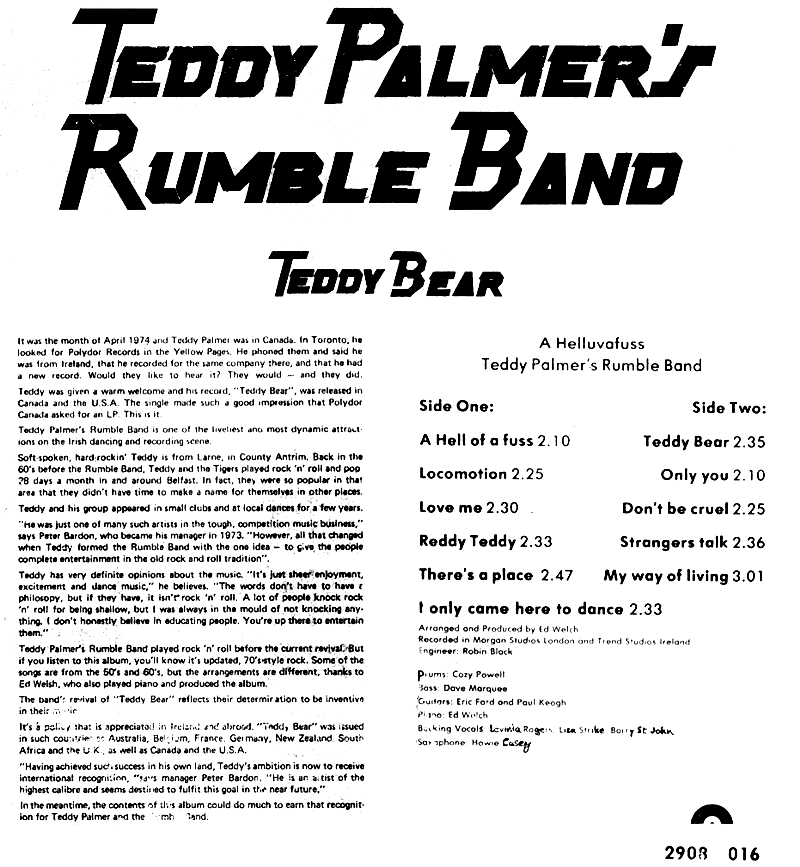
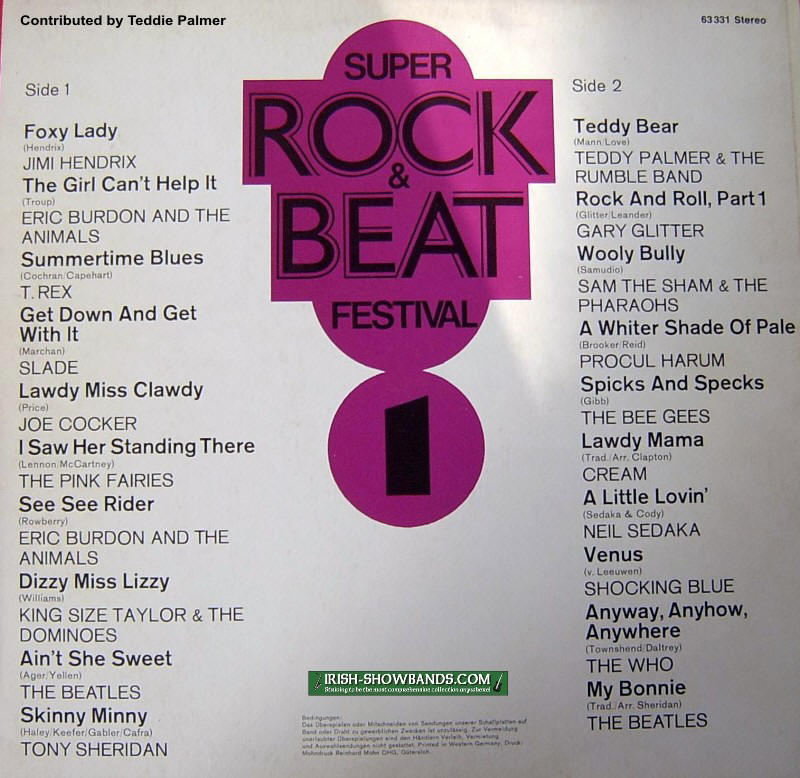
Teddie's next single, Teddy Bear, was released in several countries and the Rumble Band not only played in Ireland, but traveled to Canada as well to play the Maple Leaf Ballroom in Toronto. Within months, the band's LP, also called Teddy Bear, was released in Ireland, Canada and the U.S. by Polydor
records. Soon after another single, Hell Of A Fuss On The Late Night Bus was in the shops.
Although neither single made a dent in the
charts, they did introduce Teddie and the band to a new audience in
the South. In fact, his next three singles all entered the Irish
Charts, giving Teddie his only "hits" in the South. Endless Sleep,
released in 1976 became Teddie's biggest hit, topping out at Number
10 in the Irish Charts.
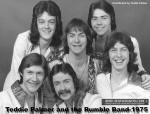
Over the next few years, Teddie and the Rumble Band went from strength to strength
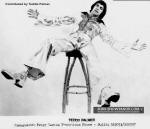
and reached their peak in terms of popularity. However, by the late 1970's the era of glam rock had
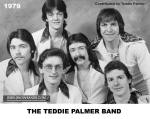
ended and Teddie changed once again. This time, he dropped the Rumble Band name and played as
The Teddy Palmer Band.
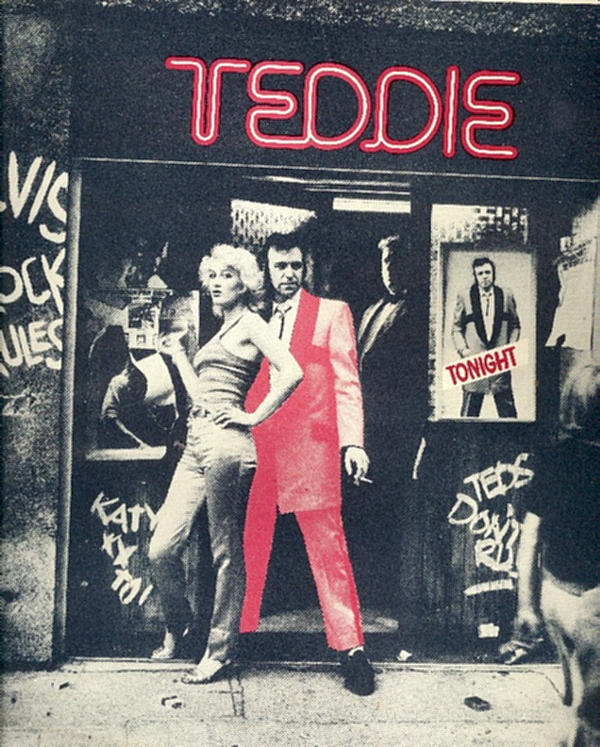
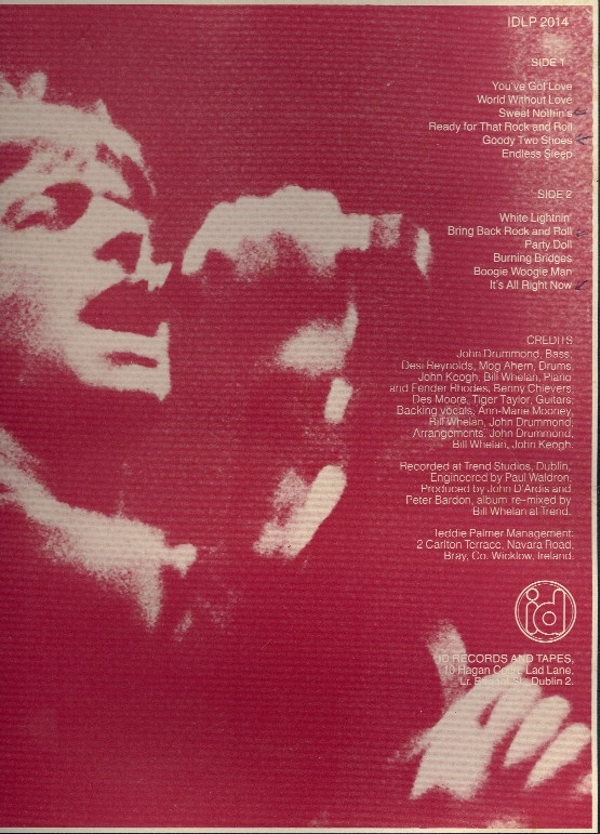
In 1978, Teddy released his second album, a solo effort
titled simply, "Teddie."
Produced by Bill Whelan, who later went on to
world fame as the composer of Riverdance. Bill also played piano on the album
and did all the arrangements. He used his Trend Studios house band, and then in
the final takes, history repeated itself, as Teddie's former bandmate, Tiger
Taylor was brought in to add some rockin' feel to most of the numbers, playing
rhythm and lead on most of the tracks.
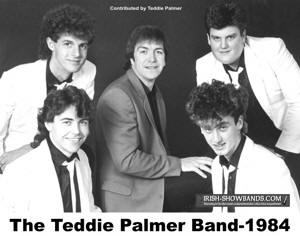
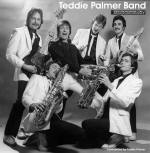
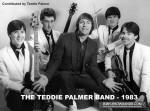
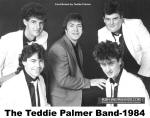
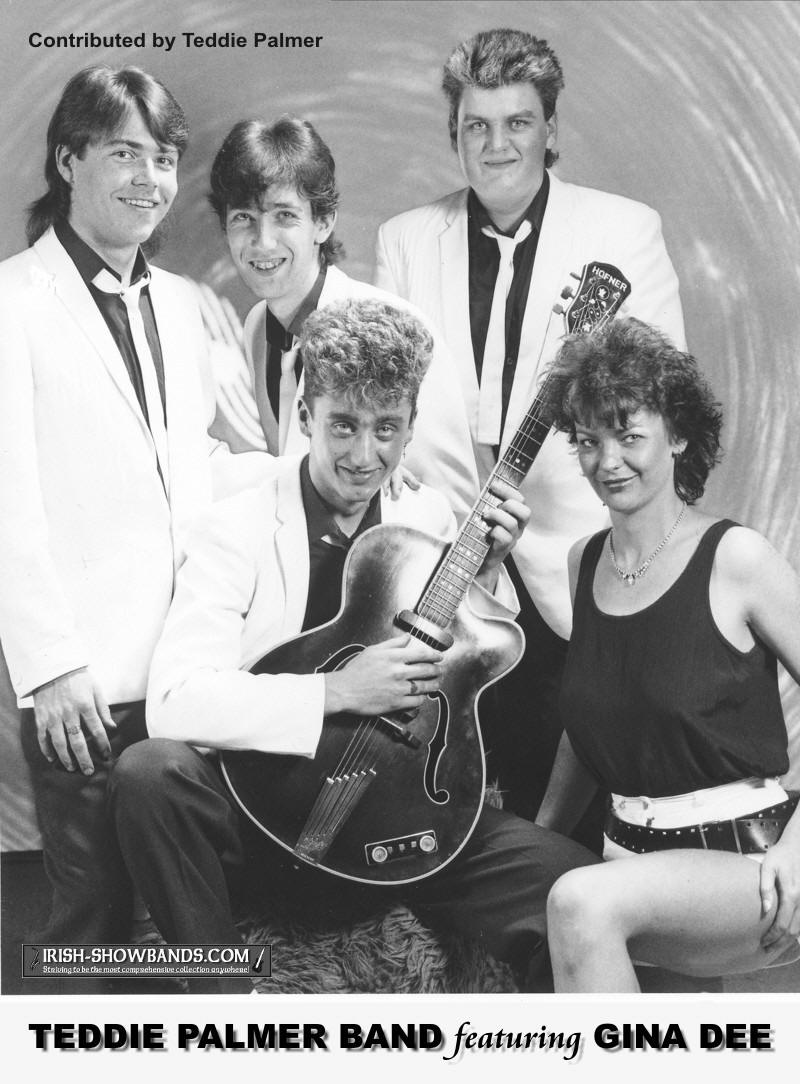
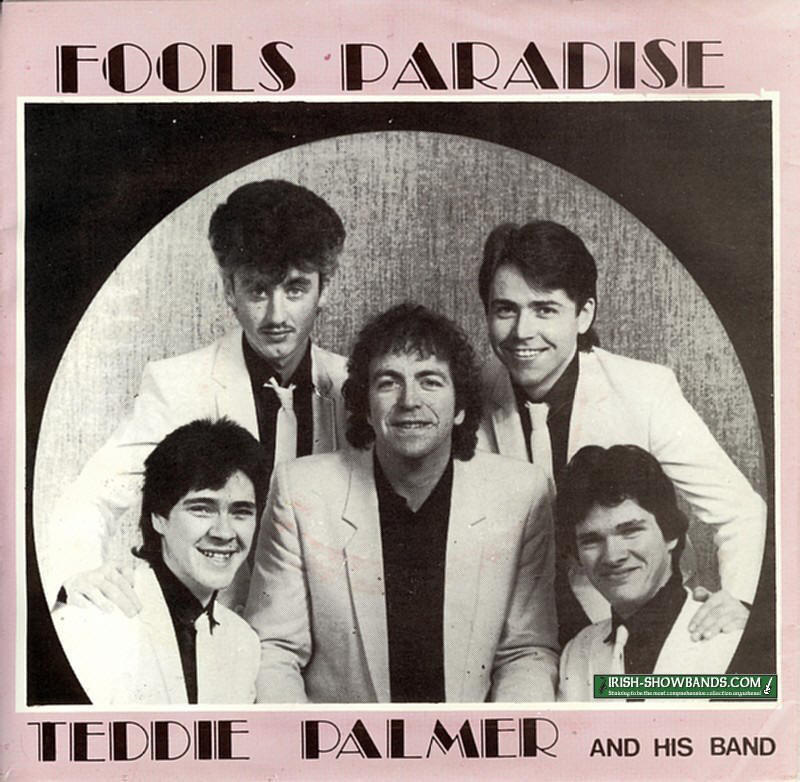
 In 1985, after over 20 years on the road, Teddie hung up his microphone for good and
retired from performing, but he didn't leave the entertainment industry. In fact, he replaced himself with lead singer Gina Dee and the band continued to play under the name,
The Teddie Palmer Band featuring Gina Dee.
In 1985, after over 20 years on the road, Teddie hung up his microphone for good and
retired from performing, but he didn't leave the entertainment industry. In fact, he replaced himself with lead singer Gina Dee and the band continued to play under the name,
The Teddie Palmer Band featuring Gina Dee.
The TP Band would play for another 13 years,
before calling
it quits in 1999. The band was initially fronted by Gina Dee, who was replaced
around 1986 by Janet Ryan, who would play with the band for five
years. Other members included David
Maguire (drums), Trisha Boyd (vocals), Colin Maguire (guitar), Dee
McQuillen (bass), and Mickey McGreevy (keyboards).
Today, Teddie runs Entertainments Unlimited and manages the fortunes of a new generation of entertainers in Ireland and abroad. You can visit
his site at
www.ents-unltd.com to see more about what Teddie
is up to these days.
In 2001, Teddie was invited, along with a host of other Irish entertainers from the era, to a special presentation in Dublin where President McAlese hosted a reception at the Aras an Uachtarain to thank them for their contributions to Ireland's musical history. Click here to see story:
Part 1 Part 2. These days, Teddie splits his time between England and Spain where he has homes. He also visits Ireland frequently.
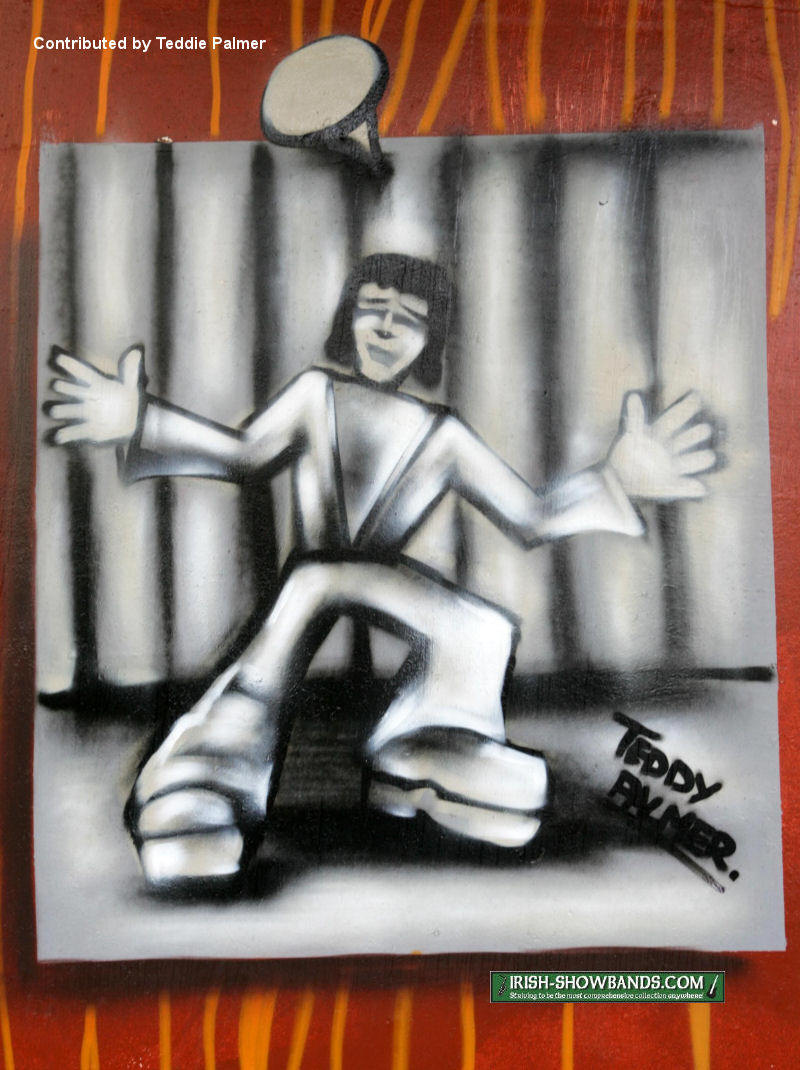
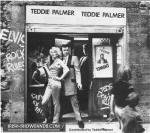
On the right is a photo of artwork recently commissioned by Larne County Council
to decorate pillars on a flyover in the town. Only two showband artists are
featured: Billy Brown and Teddie.
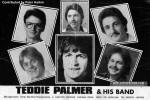
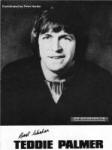
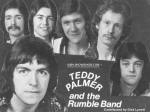
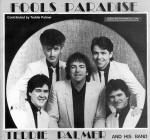
click on thumbnails to see full size images and
additional info
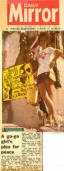
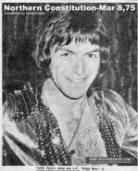
Newspaper Articles & Miscellaneous 1965-1984
 |
Teddie Palmer: Teddie
retired from the road in the mid 80's, although the band
kept going as the TP Band. Teddie moved into management.
Today, Teddie has relocated to the United Kingdom and runs
Entertainments Unlimited where he manages the fortunes of a
new generation of entertainers in Ireland and abroad. You
can visit his site at
www.ents-unltd.com to see more about what Teddie
is up to these days. |
 |
Dave "Tiger" Taylor: Tiger
later went on to play guitar with Billy Brown and the
Freshmen in the 1970's and relocated to Dublin. He continues
to play both solo gigs and with a variety of bands. An
article we found from 2023 reported that Tiger regularly
traveled between Dublin and London as a volunteer tour guide
for the Jimi Hendrix museum in Mayfair. |
 |
Dave Storey: Dave
emigrated to England where he lives and still plays on the
cabaret scene with a comedy vocal duo. |
|
|
Ivan Pepper - RIP: Ivan
emigrated to Canada as as far as we know, is still living
there.
Teddie Palmer told us in an email in 2025 that Ivan has
sadly passed away. |
 |
Willie Crawford -
RIP:
Willie became a teacher and still lives in Belfast.
Teddie
Palmer told us in an email in 2025 that Willie has sadly
passed away. |
 |
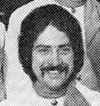
Tommy McKernin-RIP:
Tommy's daughter, Courtney McKernin, emailed us in October,
2008 to let us know that
Tommy sadly passed away in 1999.
He moved to Canada in 1972 when he was a member of the Signs
and was last
in Belfast in 1998, just a year before he passed
away. |
 |
Billy Burns -
RIP:.
Emigrated to Canada and eventually came back to Belfast
where he sadly passed away several years ago.. |
|
|
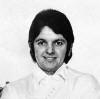
Ray McCullough: Now
living in Belfast, not sure if he is still playing. |
 |
Brian Scott - RIP:
Brian sadly passed away after emigrating to Canada. |
|
|
Ronnie Morris: Living
in Belfast, not sure if he is still playing. |
|
|
Hugo Andrews - RIP: Living
in Belfast doesn't play. |
|
|
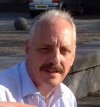
James McCorriston:
Went to Canada with Muriel Day and still there. |
 |
Billy McCoy - RIP:
Billy
McCoy became a stalwart of the Belfast music scene. His
(left handed) guitar playing is both tonally and technically
exquisite as he has demonstrated in his years with Just Five
(featuring soul legend Sam Mahood), Otis and The Elevators
and jazz funksters Apartment. He is also kept busy as a
session player, both in the studio and on television. He has
recently formed the Tim Cobain/Billy McCoy Band with ex
Swingtime Ace bassist, Jackie Flavelle, Tim Cobain and
drummer Paddy Lavin. He still lives in Belfast. Teddie
Palmer told us in an email in 2025 that Billy has sadly
passed away. |
|
|
Ronnie Kelly: Lives
in Antrim Town and plays drums with various bands., |
|
|
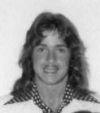
Denis Stanley - RIP: Lives
in Antrim Town doesn't play.
Teddie
Palmer told us in an email in 2025 that Denis has sadly
passed away. |
 |
Paul Creaney - RIP:
Sadly, Paul passed away in November, 2006. |
 |
Brian Wallace: Still
lives in Antrim, but doesn't play bass anymore. |
|
|
Kevin McKeown:
Believe to be living in Vancouver. |
|
|
Denis Woods: Went to
Sheeba where he co wrote Sheeba's 1984 Irish Song Contest
entry with Irene McCoubrey (Maxi) called "My Love and You."
He then went on to compose and play keyboards with Maire
Brennan in the late 1990's. As far as we know, he is still
living in Dublin and producing music with top artists. |
|
|
Tom Moore: Teaches in
Warrenpoint and plays in a 2 piece. |
|
|
Bob Wilson: Still
playing - Bob is John Wilson's brother (of Rory Gallagher's
Taste). Robert was in Clubsound and now plays with a duo
around Belfast. |
|
|
Ray Murray: Believed
to be in Dublin |
|
|
Desi Hughes: Last
heard of in Belfast no longer playing |
|
|
Desi McDonald:
Believe to be in Belfast |
|
|
Terry McKeown: Went
to Canada and returned to Antrim |
|
|
David McIntyre - RIP:
Although we had word that David was believed to be living in Belfast,
we received an email from Eamon Hanna telling us that David
sadly passed away April 13, 2012. |
|
|
Colin Maguire: Colin
still
lives in Belfast and plays with the James Peake Band.
He has become a talented song writer and wrote an entry for
the Irish National Song Contest in 2001, "Who Said I Pray"
among others. |
|
|
David Simpson: Lives
in Doagh, Co. Antrim and still plays in duos |
|
|
Phillip Simpson:
Lives in Doagh, Co. Antrim and still plays in duos |
|
|
Damien McQuillen:
Unknown |
|
|
Janet Ryan: Played in
various combos and lives in Crumlin, Co. Antrim |
|
|
Mickey McGreavey:
Unknown |
|
|
Trisha Boyd: Unknown |
|
|
Gina Dee: Lives in
Portsmouth in England |

_small.jpg)


.jpg)