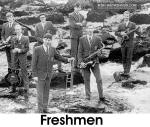
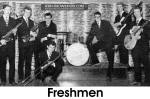
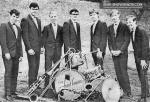
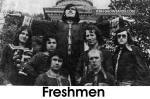
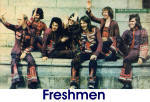
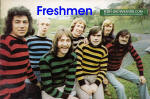
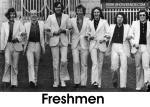
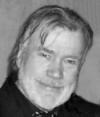
All About the Freshmen
(1962-1980)
Photo Gallery -
Band Lineups -
Discography
- Audio samples -
Where Are They Now?
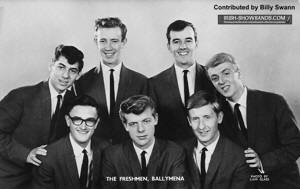 The Story
Although
definitely one of the earliest "pop bands" the Freshmen, from Ballymena,
were different from the rest of the showbands of the early
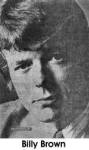
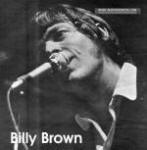
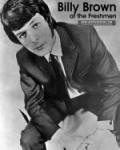
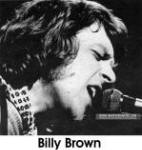
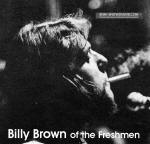
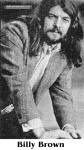
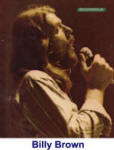
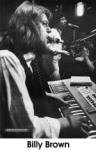
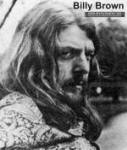
1960's. Billy Brown, an extremely talented piano and sax player, had
been playing since he was twelve. By the time he got to college, he
had his first professional gig with the Billy McFarland Band
out of Belfast.
Two other members of the McFarland band, bass
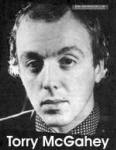
player Torry McGahey and sax player Maurice Henry became fast friends and
they all eventually
decided it was time to strike out on their own, although in a 1971
Spotlight interview with Davy McKnight it was reported Torry had been
sacked from the band and Billy and Maurice went with him. One way
or another, together they formed
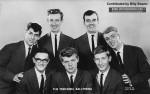
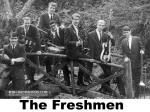
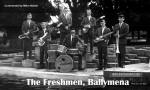
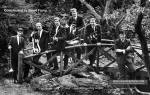
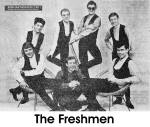
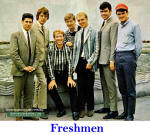
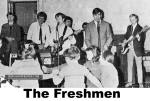
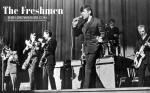
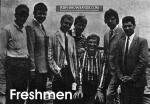
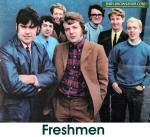
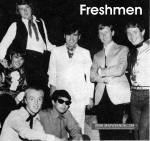
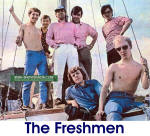
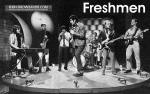
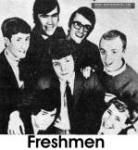
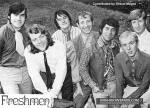
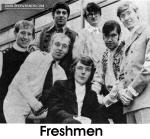
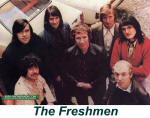
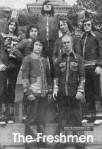
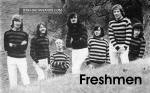
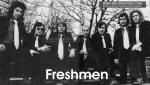
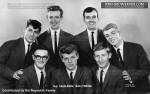
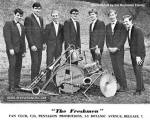
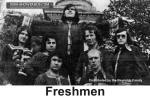
The Freshmen in early 1962. They recruited the best of
musicians, each one a singer in their own right. The original lineup
included: Barney McKeon (vocals), Maurice (sax), Torry (bass),
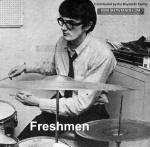
Damien McIlroy (guitar), Sean Mahon (trombone), Davy McKnight (drums-who
was training to be a teacher)
and Billy (sax and piano). For the first few years Maurice would act
as the band's manager, getting bookings across Northern Ireland.
 After
a year, the Freshmen continued to build their reputation when Barney
decided to leave. At this point the band was still semi-professional
(most of the lads had days jobs) and they were playing 3 nights a
week although solely in the North.
After
a year, the Freshmen continued to build their reputation when Barney
decided to leave. At this point the band was still semi-professional
(most of the lads had days jobs) and they were playing 3 nights a
week although solely in the North.
It was 1963 and the search was on for
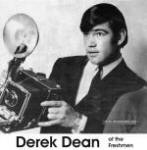
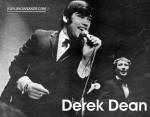
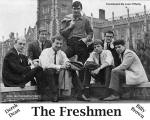
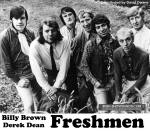
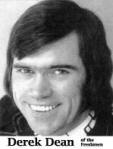
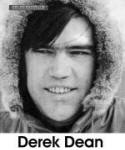
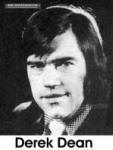
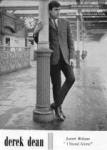
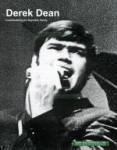
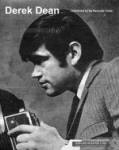
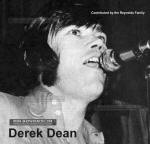
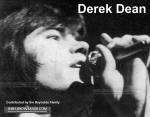
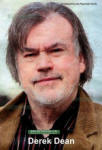
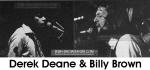
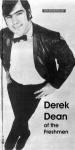
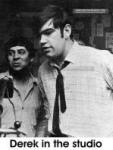
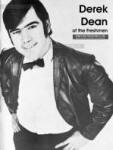
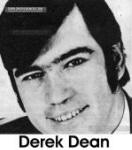
a new leads singer. In his book, The Freshmen Unzipped, Derek Dean
tells of his first encounter with the band. "The band planned to go
professional as soon as possible and Maurice was responsible for
getting the work. Up I went (on stage) and the three brass men stood
in the middle of the floor as I belted into Sweet Little Sixteen,
followed by a version of I Can't Stop Loving You and a ballad
which was a big favourite at the time, Love Thee Dearest."
It was all they needed to hear and
Derek McMenamin was a part of the Freshmen. With the addition of
Derek out front, the band went from strength to strength, but still
had yet to cross the border into the South. The band's new sound took Northern Ireland by
storm. They were starting out just at the same time as The Beatles
and The Beach Boys and they were poised to ride the crest of the
"pop" wave in Ireland. In his book, The Freshmen Unzipped,
Derek tells the story of the band's first foray into the South to
Borris-In-Ossary, Co. Laois. Despite their best efforts, their high
energy pop was not going down with the dancers as well as it did
back home, across the border. Despite this inauspicious start, the
band continued to do well across the North and kept a keen eye focus
on the market in the Republic.
Finally, the band made the
decision to go "all in" and become fully professional, giving up
their day jobs. Unfortunately for Derek, this presented a dilemma as
he had been studying to become a teacher at St. Joseph's Teacher
Training College in Belfast while gigging mainly on the weekends.
The school would not allow him to leave without paying back the cost
of his college up to that point. He had no choice, but to quit the
band.
Billy
filled in as lead vocalist for a time, and band changed it's name
for a short time to Six of One. The band cut its first record in
London during a tour of England in February, 1964, He's The One You Love.
Released in summer, the single faded quickly, making little impact.
Once again, the search was on for a replacement and the band
recruited Limerick singer, Tommy Drennan. With Tommy out front, they continued to prosper, garnering rave reviews from the press and
the punters. Within a short time though, Tommy had grown homesick and
returned to Limerick, leaving the band in bit of a bind.
Derek was now very close to finishing
his training and was told by the school that they would allow him to
come back in the summer to take his final exams and would receive
his certificate. He jumped at the opportunity and was once again,
fronting the Freshmen. By summer, he had taken
his finals and was back with the band. As had become the custom
among the showbands, it soon became imperative that the band changed
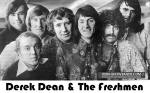
it's name to include that of a frontman. Dickie led the Miami,
Brendan the Royal and so, at the the end of 1964, the band
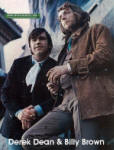
announced that Derek was changing his last name to Dean and the band
also changed its name to Derek and the Freshmen.
Before long, the band attracted the interest of a
new manager, Peter Dempsey. Peter ran dances in Andersontown and
through this, met Johnny Flynn and made a host of connections in the
South...still uncharted territory for the band. Slowly but surely,
the Freshmen began their march southward, building their reputation
and growing their fan base.
In 1965, the band recorded and released more
singles. The first, I Stand Alone, failed to make an
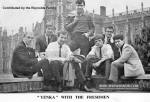
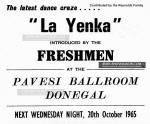
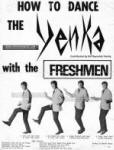
impression. However, their recording of La Yenka was a top ten
hit in November 1965. Over the next two years, the band's reputation
and status went from strength to strength. They became the top
Northern Band to play the South and at one point were ranked as the
number four showband behind only the Royal, Miami and the Cadets. In
August 1966, the band announced that it was changing its name once
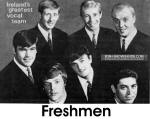
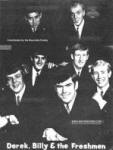
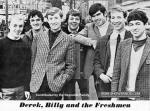
again and would be known as Derek Dean, Billy and the Freshmen,
an obvious nod to Billy's growing influence in the band.
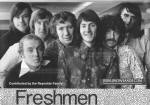
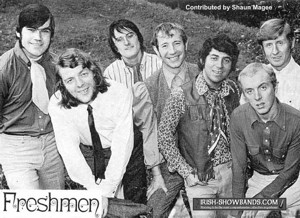
In 1967, the Freshmen were part of the showband
elite in Ireland. Oliver Barry took over managing the band in
mid-1967 and their record, Papa-Oo-Mow-Mow reached
number seven in the Irish charts and stayed in the charts for eight
weeks well into 1968. In September, 1968, the band announced a new
image...gone were the tailored suits of the showband era and now the
band took to the stage in "mod" gear. The move was actually seen as
risky. A Spotlight article in the September 7th issue stated,
"Ballroom managers were aghast....they felt dancers wouldn't go for
it at all."
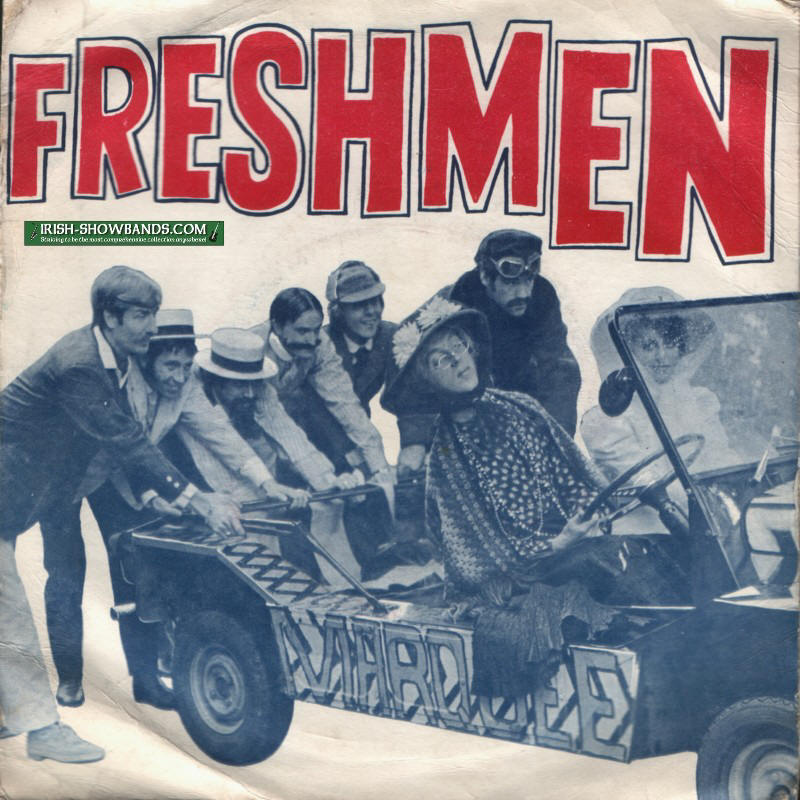
A press release in 1968 announced the band
would have a special on RTE Christmas night hosted by Terry Wogan
during which all of their LP tracks would be featured. The
programme, which included interviews which each of the
"magnificent seven," was promoted as being the "first time a 45
minute unsponsored radio spot would be devoted to an Irish band." The
name of the show was Movin' On, the title of their first LP.
They started a string of top ten hits and the
band was doing extremely well as the money came pouring in. They
released Go Granny Go, Number 12 in August 1968, Just to
See You Smile, Number 9 in March 1969, and Halfway to Where,
Number 10 in April 1970. In the April 26th, 1969 issue of
Spotlight, an article reported that the band had claimed to have
played before 16,000 dancers over the Easter week and that it must
be some kind of record. Things were going well for the Freshmen.
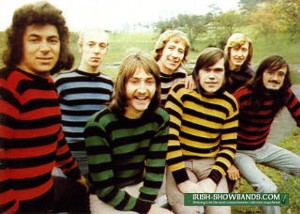 1970
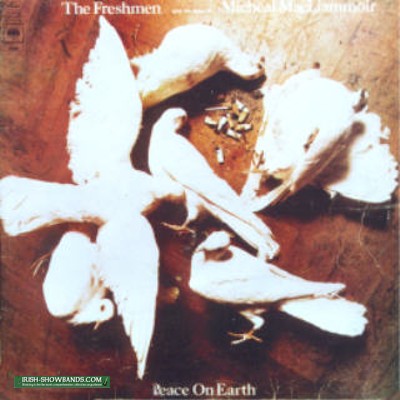
was the year the band released their second album, Peace On Earth.
The album was heralded as an artistic masterpiece and is still
regarded by many as the greatest Irish pop album ever made. The same
year, they performed their "Peace Concert" at the RDS in Dublin
which featured noted actor Michael MacLiammoir as narrator (the role
he also played on the album). Amid all
the success though, trouble was brewing. The band had become too
identified with the Beach Boys sound and as the Beach Boys fortunes'
faded, so too did the Freshmen's.
1970
was the year the band released their second album, Peace On Earth.
The album was heralded as an artistic masterpiece and is still
regarded by many as the greatest Irish pop album ever made. The same
year, they performed their "Peace Concert" at the RDS in Dublin
which featured noted actor Michael MacLiammoir as narrator (the role
he also played on the album). Amid all
the success though, trouble was brewing. The band had become too
identified with the Beach Boys sound and as the Beach Boys fortunes'
faded, so too did the Freshmen's.
In his book, The Freshman Unzipped,
Derek writes candidly about the alcohol abuse which was going on in
the band for years. Additionally, Billy Brown's marriage was
breaking up and he was in trouble.
In February, 1971, it was reported in Spotlight that Billy
had been sacked by the band. The article said that Billy had been
ill for some time and started missing dates. Billy himself said he
had been feeling ill and that his doctor thought it was either his
appendix or gallstones, but that he was going into hospital within
the week. In the meantime, the band voted to sack the all star
singer songwriter and was looking for a replacement which they
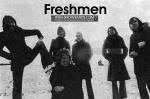
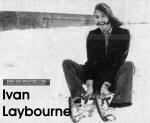
found in Ivan Laybourne.
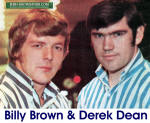
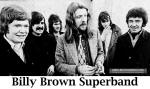
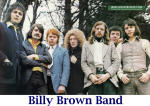
When Billy returned to health, he decided to form his own group, The Billy Brown Superband. He recruited
one of the finest lineup of
musicians perhaps ever to play the ballroom circuit. Billy was
joined by Johnny Brown (bass), Dessie Reynolds (drums), Keith McDonald
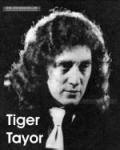
(sax), Pascal Haverty (sax), Tiger Taylor (guitar), and
Mike Nolan
(RIP-trumpet). The musicianship was excellent, but the band lacked
originality and that
"certain" spark, lasting less than a year. Said Billy,
"this band will be promoted as the ultimate in musical perfection
whose music will appeal to every section of the community."
The early seventies saw the Freshmen continue to
slip in popularity and earnings. Following a false start with his superband, Billy teamed up with Mike O'Brien to form Brown and
O'Brien in 1972. It was also around this time that the
"Troubles" in the North became a real threat to those driving in the
middle of the night through rural Ulster. Unexpected checkpoints
would crop up everywhere and anywhere. The worst thing was not
knowing who was stopping you, the British Army, RUC or paramilitary
groups. The stress levels continued to rise.
It was in this environment in February 1972,
that original member Davy
McKnight announced he was leaving the Freshmen to join Clubsound,
however it took a couple of months for the band to find a
replacement and John Wilson joined the band for a time. A follow up article in May announced that Davy had
joined the band who had changed their name to Warm Sensation. The
band's lineup was Davy (drums), Eddie McCrudden, Barry McCrudden
(keyboards), Harry Hickland (sax), Billy Bingham (guitar) and George
Jones (bass).
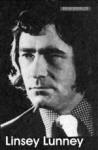
Although it was rumoured Davy might be replaced by RTE's Ian McGarry,
it was Linsey Lunney (College Boys) who came to the band on
drums. In
April, 1972, founder member Maurice Henry left the band to move
into management. In a Spotlight interview, Maurice jokingly said,
"I've left the Freshmen mainly because of old age." The first act he
signed was Cathy and the Fugitives from Mayo and shortly thereafter
added the Sounds.
Meanwhile, Brown and O'Brien did not find the magic either and
the band went to Canada. However Billy returned on his own and a
report in Spotlight on October 12, 1972 claimed he would not be
rejoining the Freshmen. Of course, Billy did rejoined the Freshmen after
leaving Brown and O'Brien in October, 1972. He brought
guitarist Tiger Taylor with him who replaced original member Damien McIlroy. However, Linsey Lunny left the band
around the same time. A blurb in Spotlight reported Damien was
leaving the band at the end of September, 1972 and he went to South
Africa. A month later in October, keyboard player Ivan Laybourne,
reportedly went to Scotland, but ended up joining Damien in South
Africa.
Throughout the mid to late seventies, the
Freshmen continued to play, ending up as a six piece and trying to
make a living in a scene that was slowly dying and well past its
prime. Around 1978, Torry McGahey left the band, breaking the final
remaining link to the original Freshmen lineup. Although Billy Brown
had been an original member, he had left the band for several years.
In mid-1979, the band added a female vocalist for the first time,
American Frances Rosatto, but the writing was already on the wall.
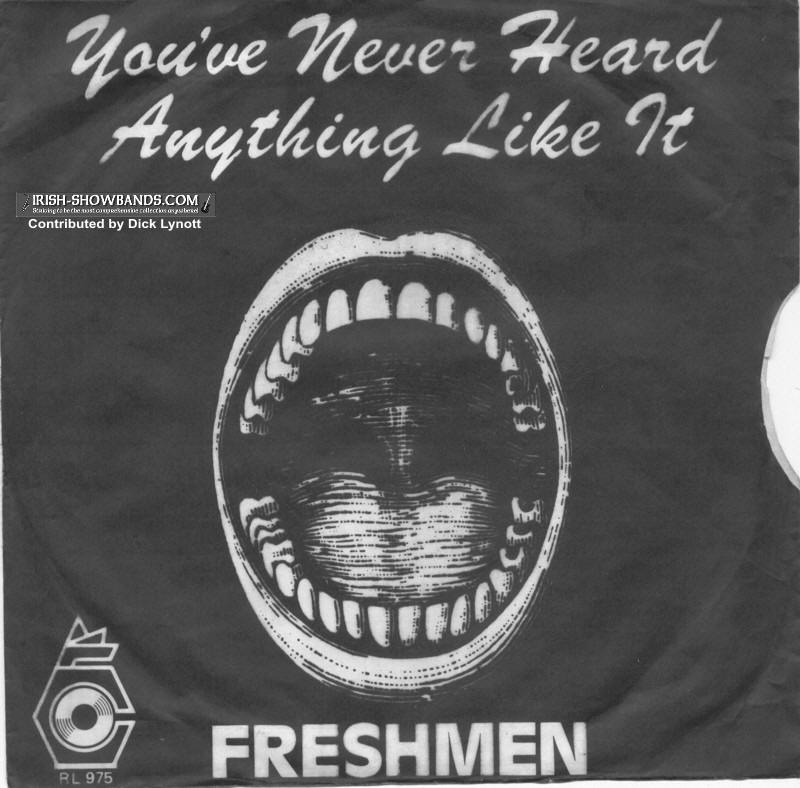
In August, 1979, the band changed management to
Release Records and a new single was planned which was a punk rocker
called "You've Never Heard Anything Like It." Although well received
(making it to number 17 in the Irish charts) and was heralded by the
press as a significant change for the aging showband, it did not
reignite their popularity.
By 1980, the Freshmen, one of the greatest
components of pop music in Ireland, were down to being a five piece
band and scrambling for whatever gigs they could get. On the recent
series "Little Bit of Showband," Derek recounted the story of a gig
in Boyle when only a handful of dancers showed up and the decision
was made to finish the band. With a whimper, it was over, the last
gig we can find advertised for the band was in December, 1980. After
almost twenty years the band who had smoothly made the transition
from 60's showband to 70's pop group successfully (while staying
true to their legacy of producing quality music) called it quits.
In the years after the showband era ended, the
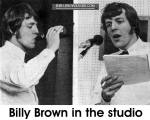
late Billy Brown continued to record, write and produce
excellent music. His reputation as one of Ireland's most gifted
musicians continued to grow, but on June 6, 1999, at the age of only 56,
Billy sadly passed away suddenly of a heart attack, leaving the Irish music scene without
one of the guiding lights that had illuminated the landscape of the
showband era.
Photo
Gallery
Click on thumbnails for full images