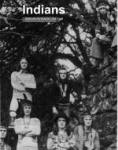
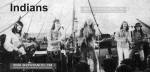
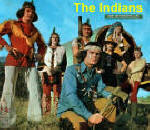
All About The Casino/Indians Showband
(1963 - Present)
Photo Gallery -
Band Lineups -
Discography
- Audio samples -
Where Are They Now?
 The
Casino Story
The
Casino Story
Not many bands of the showband
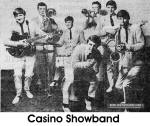
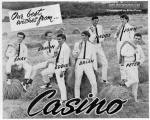
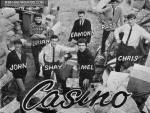
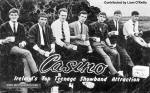
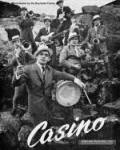
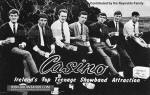
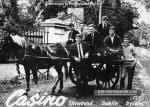
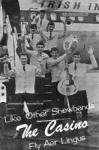
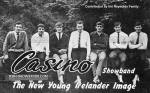
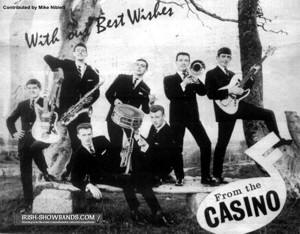
era had the staying power of the Casino. Formed in
Dublin in 1963, at the height of the showband era, the
Casino was a middle of the road showband. They did a nice business,
but were nowhere near the top of the showband food chain.
Other than first hand accounts, it's a little
difficult to research the band's early days as when they were starting out there
were already two other showbands called the Casino in Ireland. In
Derry, Johnny Quigley's band was called the Casino Showband
and there was another band with the name based in Clonmel.
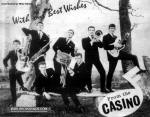
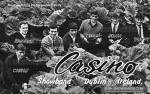
The story of the Dublin-based Casino starts at the De La
Salle school in Ballyfermot where Eamon Keane learned the
accordion. In 1959, together with Shay O'Reilly, and some other
lads, they formed a group called the Silvertones, playing at local
hops and socials. The band included Eamon Keane (trumpet and
accordion), Shay O'Reilly (RIP-trombone and accordion), Nick McEvoy
(RIP-sax), and Gussie Maguire (accordion and piano).
A local duo, Greg Doran
(sax/clarinet) and Frank Magee (guitar) joined next in 1960,
along with Jimmy Breen who was with the band on and off over the
next few years. During a gig in
Waterford, Eamon decided Frank would also take on the vocalist slot
when needed and this new lineup became the Goldentones. The
band was managed by Michael Delaney.
In March, 1961, after a time playing local
gigs and relief, Frank, Greg and Gussie left to pursue careers
outside of music. To replace their guitarist, at the suggestion of
Frank Magee, the lads drafted John Woodfull, another former De La Salle pupil. They then
asked John's brother, Brian to join on bass and continued to play as
the Goldentones. The band played many of the local ballrooms
including the Kingsway and the St. Francis Xavier Hall.
As fate would have it, after
nearly two years of playing the local halls, the late Liam Ryan heard the boys and
offered to manage them and it didn't take long before they were
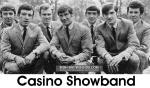
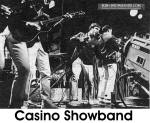
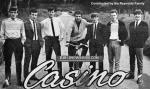
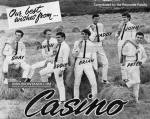
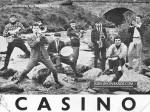
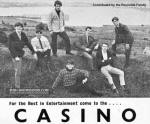
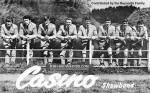
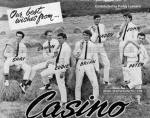
ready for the big time in mid-1963. They added Paddy
Reynolds (RIP-sax) and
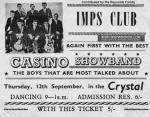
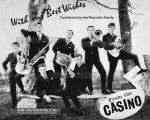
Peter Brady (drums) and hit the road as the Casino Showband. The
first adverts we have found were in the Irish Independent in July,
1963 looking for bookings for the Casino, "Ireland's newest
showband." In November, 1963, Michael Ryan's Tempo column in
the Evening Herald reported that the Casino were getting
ready to "turn professional."
Within a short time, Jimmy Breen had left the band and was
replaced for a time by Eddie Morgan. Jimmy would end up in the
Madrid Showband in 1964. The band had still not released
a record (a showband prerequisite by the mid 60's) and were still
not generating the interest it would take to establish them as one
of the top bands. Eddie's replacement was 20 year old Mel Austin,
from Belfast who joined the band from the Jimmy Johnston Showband
(and previously the Banshees) and the
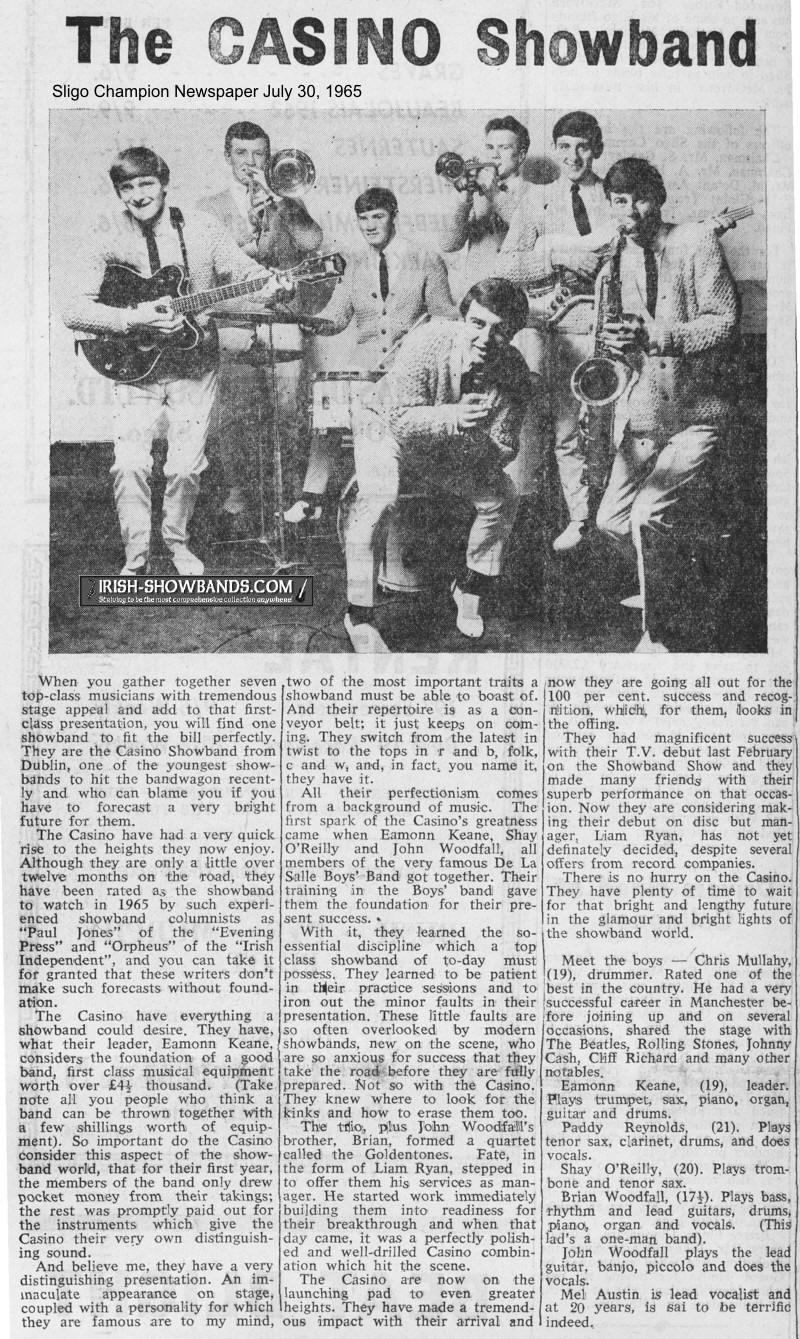
Casino seemed to be hitting their stride. Throughout the mid-1960's the band played a
good program, but could never quite crack the big
time. In February, 1965, they made their TV debut on RTE's Showband
Show.
In 1965, International Showband drummer, Chris Mullahy joined
the band replacing Peter Brady on drums. Original member Nick McEvoy had also left, reducing the band from
eight to seven pieces. Mel Austin, who had previously been with
Belfast's Banshees,
joined on vocals, replacing Eddie Morgan.
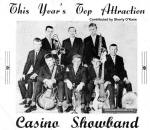
By all reports, the Casino was a
good outfit, they just never seemed to make a big impression on the
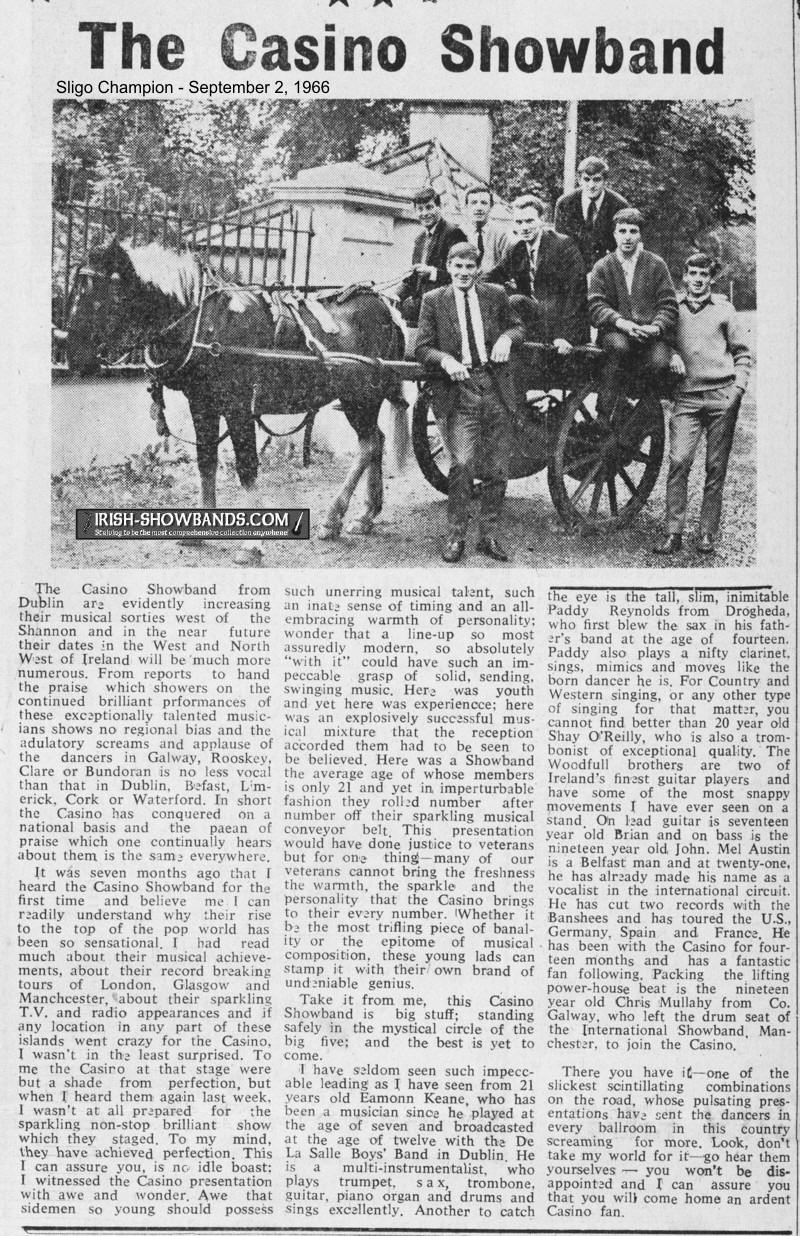
punters. In a 1966 article which appeared in the Sligo Champion,
after seeing the band the author stated they were "an explosive
successful musical mixture that the reception accorded them had to
be seen to be believed." High praise indeed. The lineup at the time
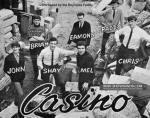
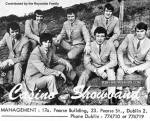
was Eamonn Keane (trumpet), Paddy Reynolds (sax), Shay O'Reilly
(RIP-trombone), Brian Woodful (bass), John Woodfull (guitar), Mel Austin
(vocals), and Chris Mullahy (drums). A report in November, 1968
said that Paddy Reynolds had left the band and was to be replaced by
a young musician, as auditions were underway. This came from then
manager, Liam Ryan.
In August, 1968, future country star,
Ian Corrigan
joined the band on vocals. The band, which had been predominantly
seen as a pop band up until then, added a heavy dose of country to
their programme. Along with Mel Austin, the band packed a new
one-two punch on vocals. Ian had previously spent a few years with
the Hi-Lows Showband. With Ian out front, the band knew they
had what it took to make it, but were still waiting for that "big
break."
In June, 1969, an article in Spotlight
reported that Mel Austin quit the band after their gig on Sunday,
8th June. He left the showband scene to focus on business
opportunities outside show business. Around this same time, we think
the band also got a new manager, Sammy Smyth, who at the same time
was managing four Northern Ireland ballrooms.
In May, 1970 the
Casino finally released their first single, In The Middle of Nowhere
with Did She Mention My Name as the B-side. Recorded in
Dublin, the songs were arranged and produced by John Drummond.
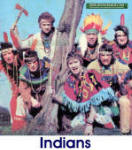
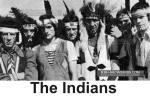
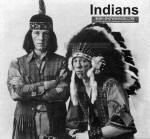
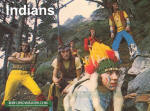
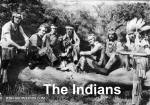
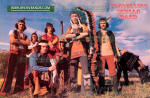
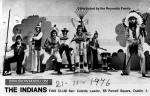
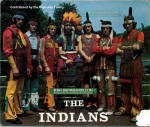
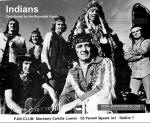
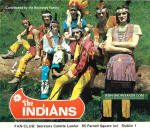
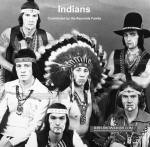
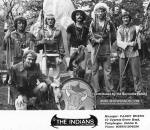
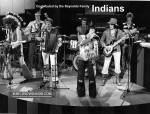
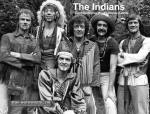
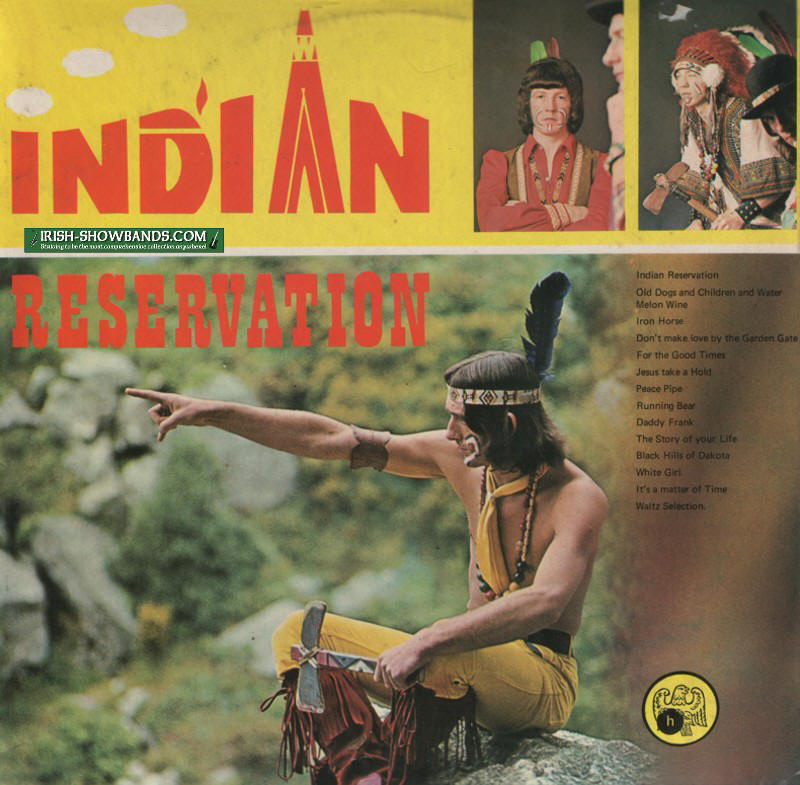
Casino don their
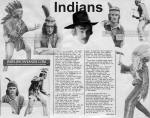
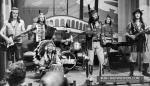
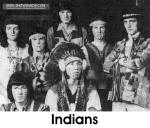
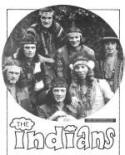
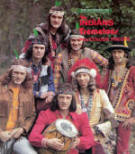
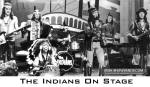
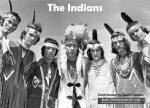
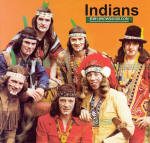
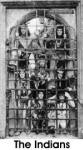
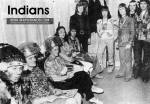
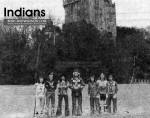
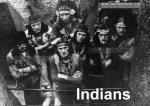
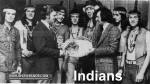
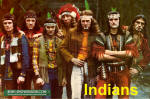
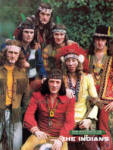
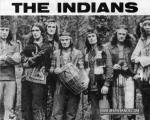
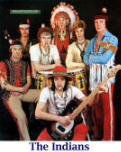
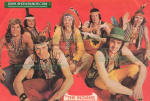
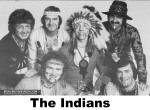
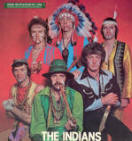
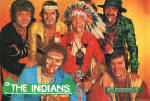
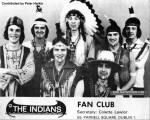
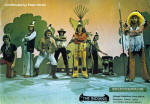
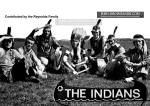
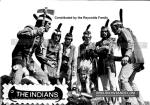
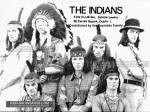
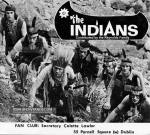
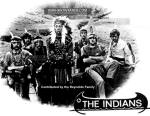
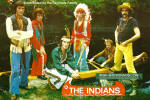
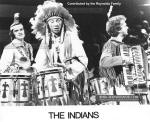
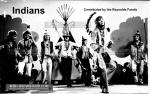
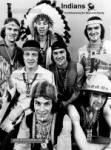
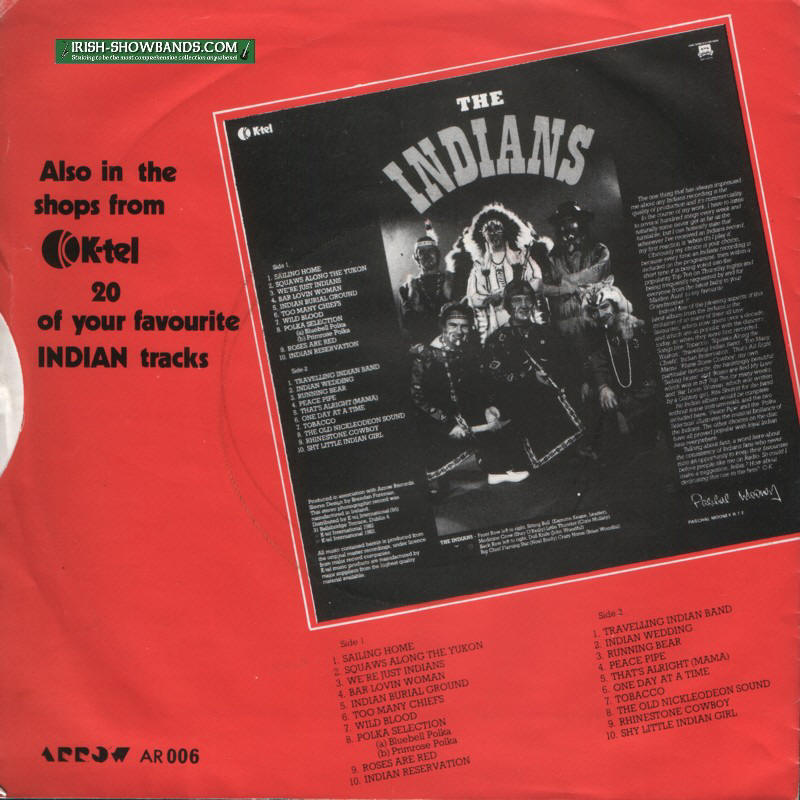
feathers: The Indians' Story
In a recent interview with Stephen
Travers, Eamon admitted that the band had to make a decision, change
or break up. In December, 1970, it was reported in
Spotlight that the Casino had split from manager Liam Ryan and
were looking for a new
manager, and found it difficult enough. Eamon knew Tom Doherty was a
top manager and approached him to see if they might work a deal. To
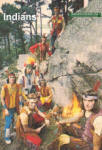
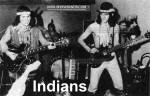
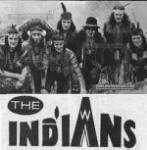
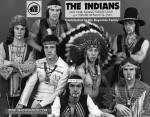
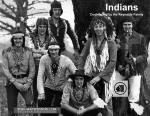
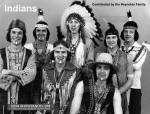
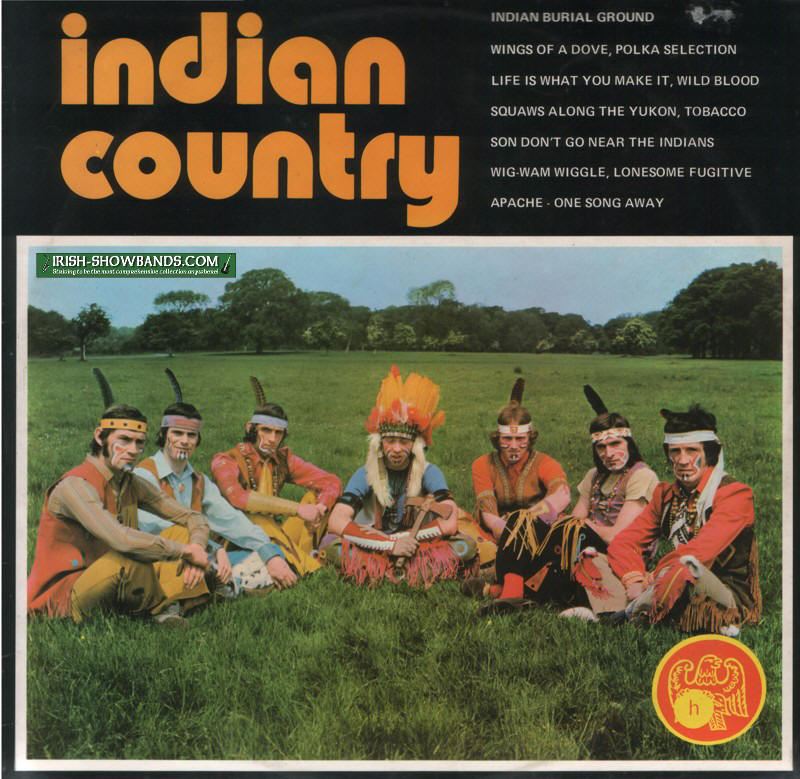
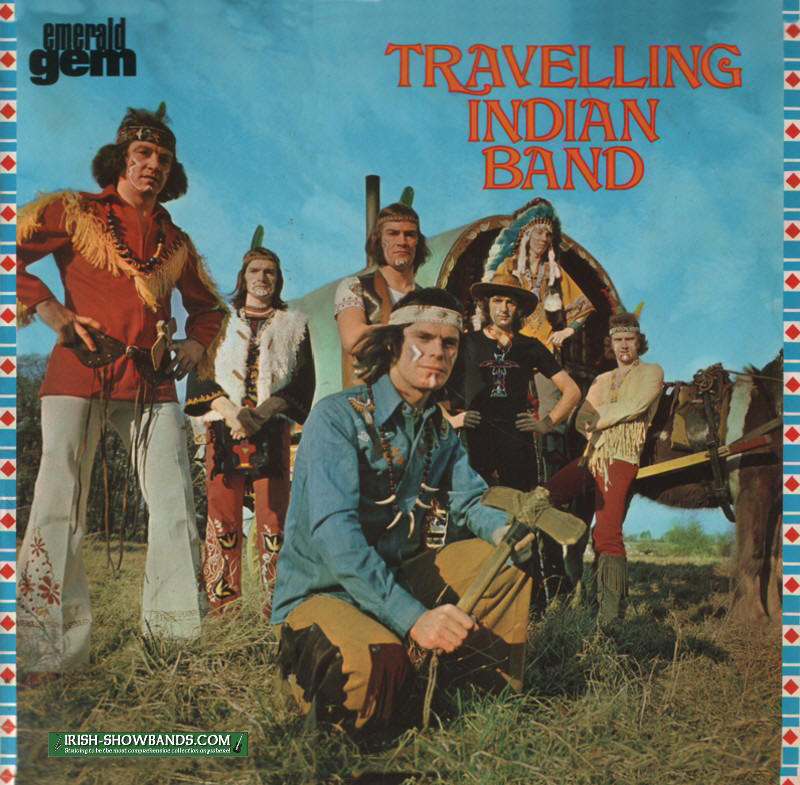
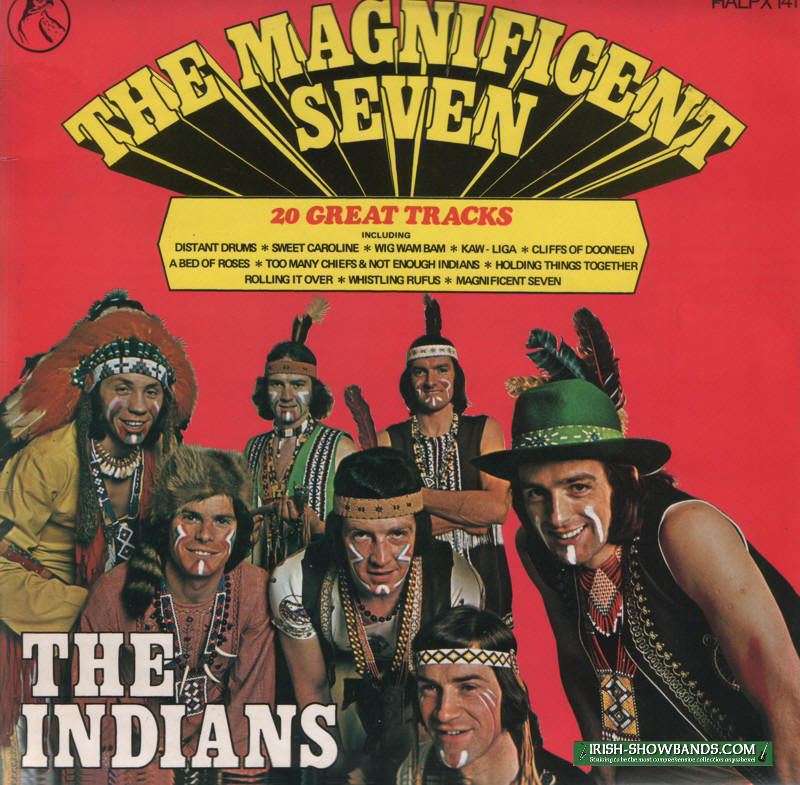
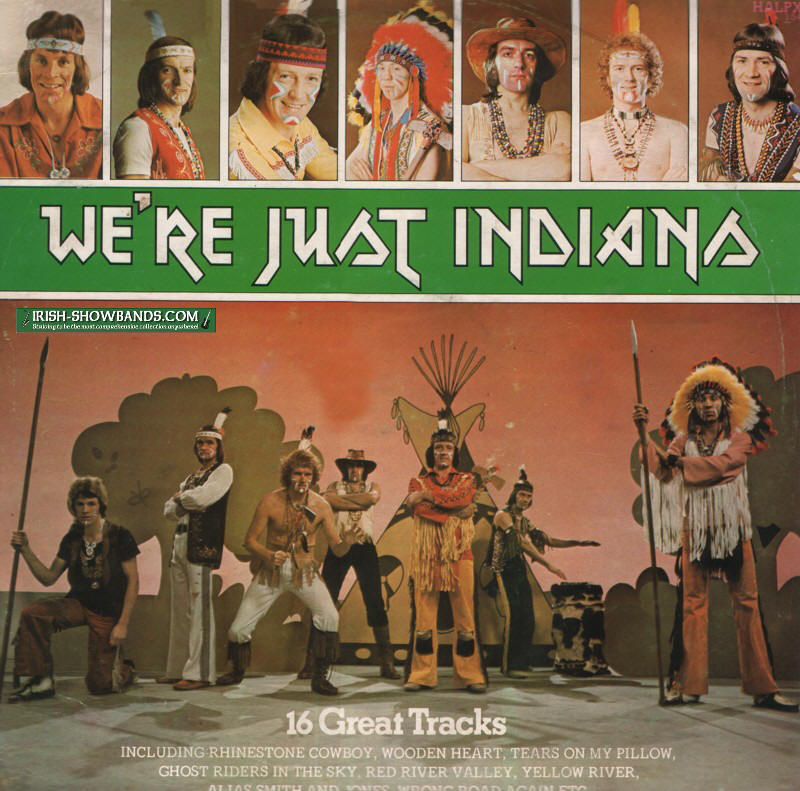
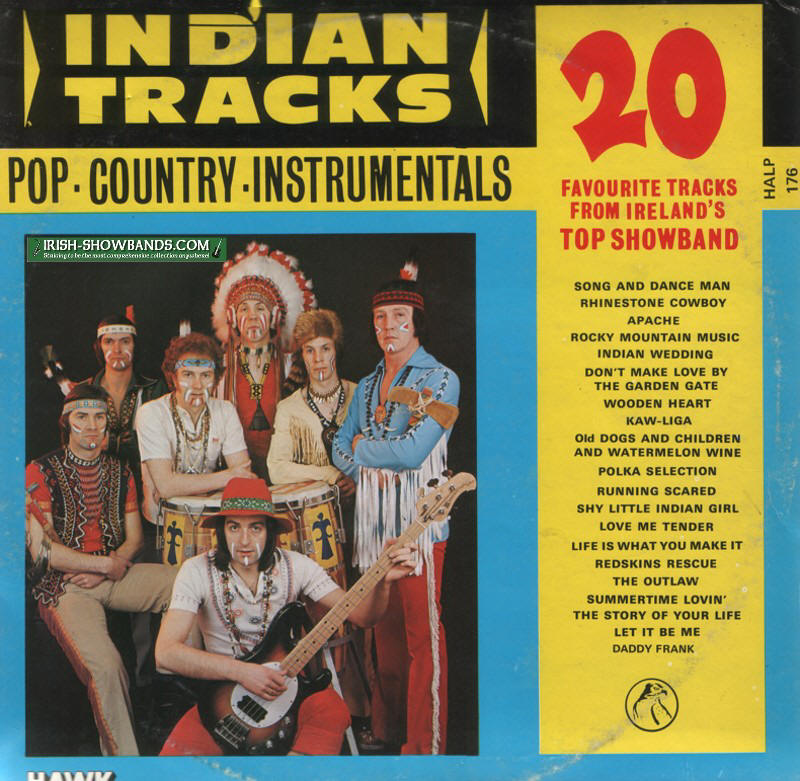
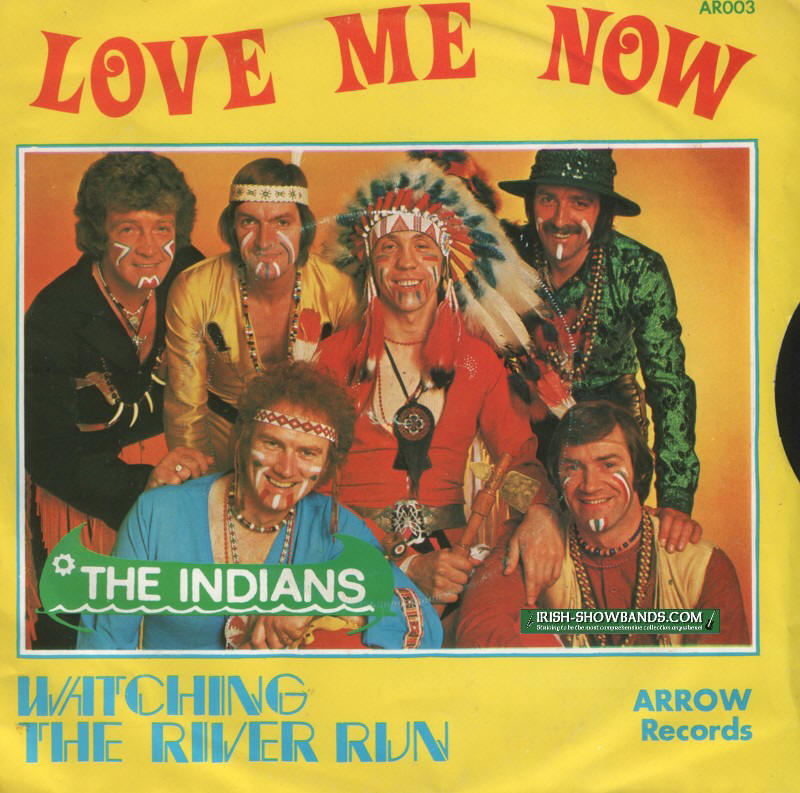
their amazement, Tom suggested the band don feathers and war paint and become
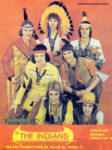
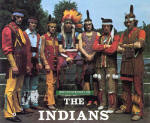
Ireland's first "gimmick" band, The Indians. In a
recent interview, both Eamon and Brian reported the band's
skepticism at the idea of dressing up and wearing war paint, but as
Eamon put it, "we had been on the road nine years and had never
reached the top." After a chat with the band, they remained
skeptical, but decided that it would make sense for the band.
It was now early 1971, and at this point the band had no idea where they
would get outfits (Dublin's tailor to the showbands, Louis Copeland,
did not stock "Indian wear.") So they had to go to London to hire
various costumes for the stage. They also had to find a new lead
singer as Ian Corrigan had left the band. They went to see a talent
contest at the Drake Inn cabaret spot. Eamon takes up the story, "we
had actually gone to see Sean Brady, Noel's brother, but he took ill
and could not take part, so Noel was on stage instead." It was then
they heard the "rough and ready" (Brian's description) seventeen
year old singer and knew they had found their man.
Ex-newspaper and
publicity man, Paddy Burns became their manager. they got together
in the Olympic Ballroom in Dublin to try out their new costumes and
Paddy brought out a book of Indian history, which contained names
which they tried to tie to the character of each musician. In late January, an
advert in Spotlight announced the "exciting new country
sound" of the Indians. Although it wasn't mentioned that the Indians
were formerly the Casino, the world would soon find out the truth. (Editor's
note: Paddy Burns sadly passed away 14th August, 2011 aged 79).
Eamon Keane takes
up the story, "We had been trading as the Casino for some years and
we obviously did not hit on the right gimmick. The Indian gimmick
was good. It got people in to see what was going on, but no band can
last on a gimmick alone." The band also added a new front man,
as Ian decided it was time to head out and form his own band,
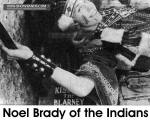
Country Style. Noel Brady
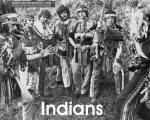
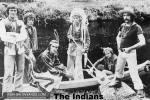
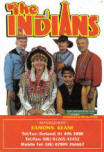
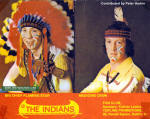
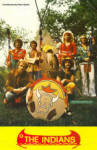
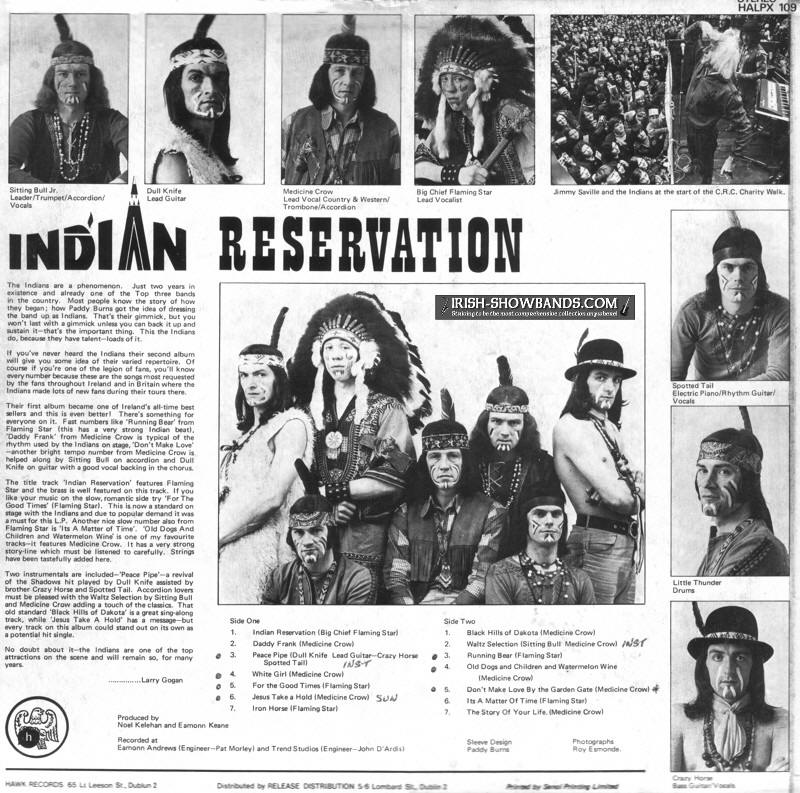
replaced Ian and when the band took Indian names as part of their
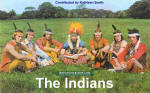
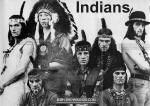
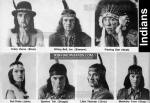
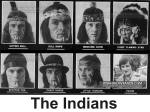
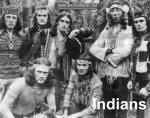
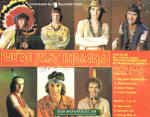
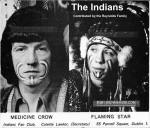
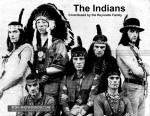
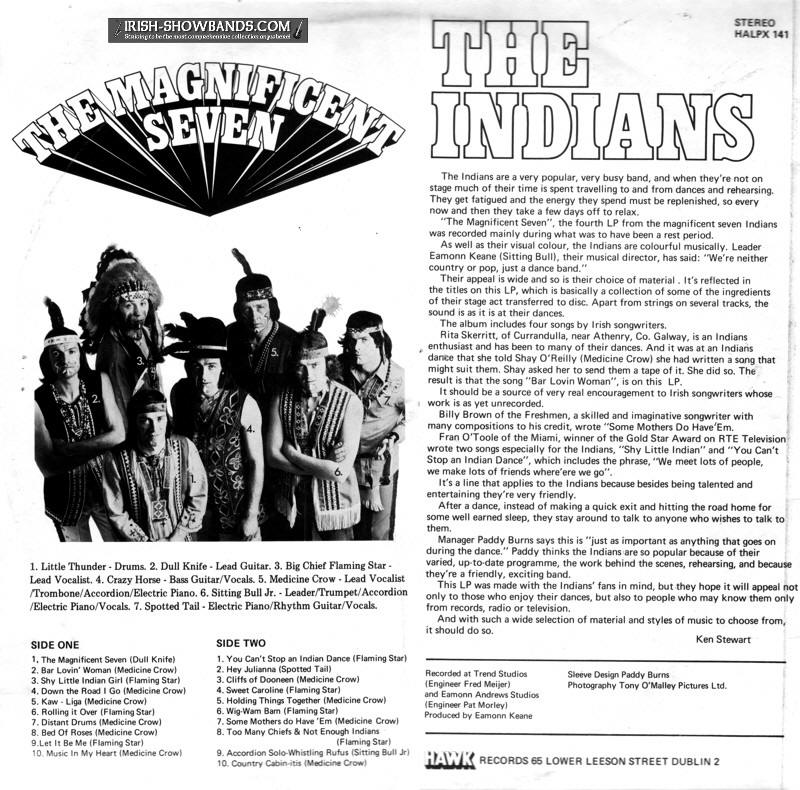
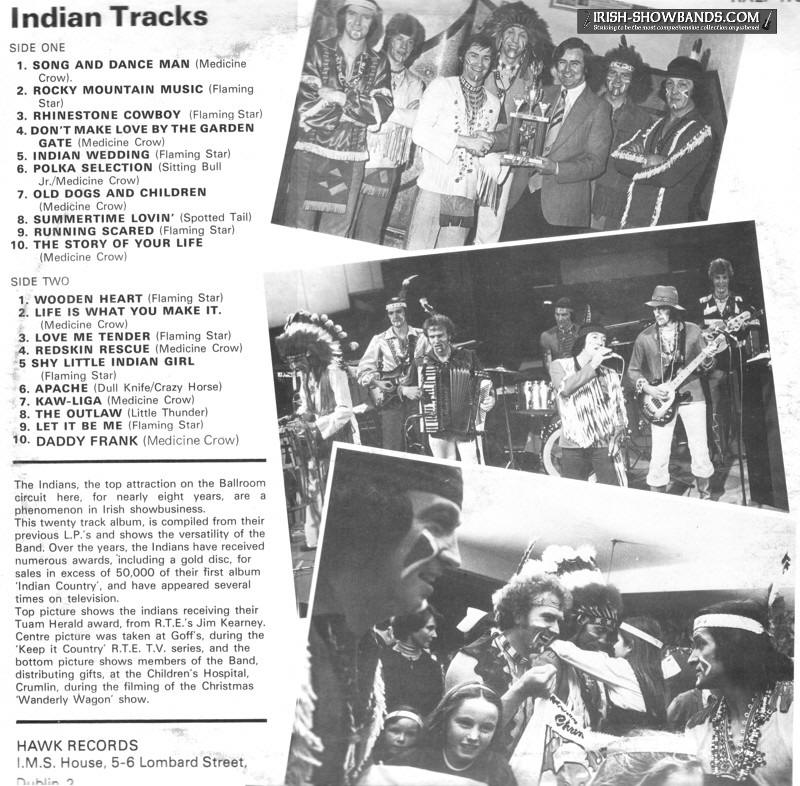
gimmick, he became known as Big Chief Flaming Star. The rest of the band also took Indian stage
names including Sitting Bull Jr. (Eamon), Dull Knife
(John), Medicine Crow (Shay), Spotted Tail (Doug),
Little Thunder (Chris), and Crazy Horse (Brian).
The band made their debut on the 16th of
January, 1971 in Shannagolden in Co. Limerick to a "very small
crowd." But Eamon continued, "but by the end of the night we knew
there's something in this because the place just erupted."
Initial reactions to the change, especially from the press, were
that of skepticism. The Casino had always been a middle of the road
pop band and now, suddenly they were wearing feathers and playing
country and western. Many doubted the band's future under this new
gimmick. Several reporters even called in "a joke."
Actually, the band wasn't a huge hit immediately. Their
first few months were lean enough, but eventually the war paint and
talent won the crowds over. Said manager Paddy Burns in early 1972,
"Apart from the gimmick, they had their own distinctive sound and a
varied programme. They switch with ease from the accordion country
sound to the brass for pops and they also have one of the best
guitar sections in the country."
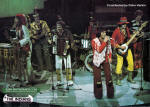
During the early 70's the band became one of the top country
bands in the nation, a position they held until the waning years of
the ballroom era in the mid 1980's. Interestingly enough, though,
the band never had a single enter the Irish Charts, which is strange
given their phenomenal success in the ballrooms over the years!
 Many
have speculated that although the Indian gimmick helped the band
overcome the anonymity that had plagued them as The Casino, it was
their stage presence and musical variety that sustained them as a
top act. Not only did they have the typical brass section of the
showbands, but they also could switch to the accordion, and well as
having a front man in Noel Brady that could rock with the best of
them. They were an all around band that provided everything a dancer
could need.
Many
have speculated that although the Indian gimmick helped the band
overcome the anonymity that had plagued them as The Casino, it was
their stage presence and musical variety that sustained them as a
top act. Not only did they have the typical brass section of the
showbands, but they also could switch to the accordion, and well as
having a front man in Noel Brady that could rock with the best of
them. They were an all around band that provided everything a dancer
could need.
Amazingly, despite the upheaval that
characterized the showband scene in the early and mid 70's with lead
singers coming and going, and gimmicks everywhere, the Indians
maintained their popularity and drawing ability through it all. It
wasn't until the late seventies that things changed for the band.
The next lineup change took place in October, 1975 when Doug Walsh decided to
leave the music business to study classical music and was
replaced by Derry Whitelaw (who also took the stage name Spotted
Tail and was previously a member of Doc Carroll's Nightrunners) on keyboards.
But two years later, in 1978, Derry announced he was
not only leaving the band, but was forming another Indian-0themed
band, The Apaches. Former Plattermen front man, Simon Scott, was recruited to
play the part of Big Chief and like the Indians, the band donned war
paint and feathers and hit the road in December, 1978. They also featured a female
vocalist that they originally called Squaw.
When Derry left, the remaining Indians decided
not to replace him and Eamon Keane moved over to feature more on
keyboards than trumpet. They reduced their lineup from seven to
six members, a fairly typical move in the late seventies as the
ballroom scene continued to slowly shrink. They would remain that way until
the mid 1980's.
As the 70's drew to a close, like all Irish
bands, the Indians had to face to reality that the ballroom era was
quickly coming to an end due to the prevalence of hotel extensions
and discos taking over. They had been playing (like many bands), the
Irish clubs in England for years and decided to refocus their
attention on the country scene in the UK.
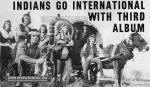
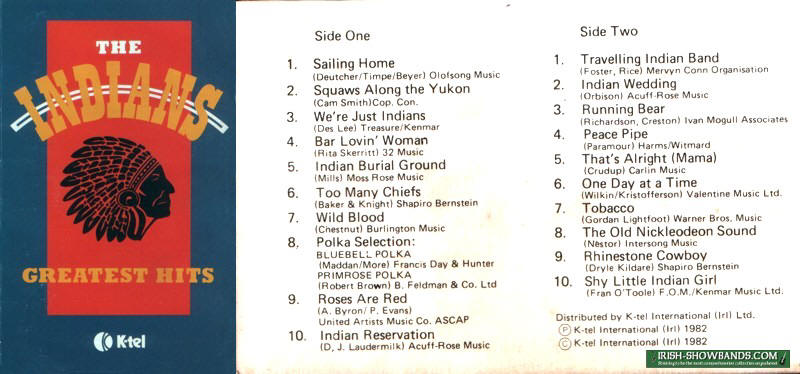
Throughout the 1980's the band released albums
of country music which sold very well. They had a stable following
and continued to draw big crowds in the ballrooms despite the lack
of a hit single. The creation of the Apaches did little to affect
the success of the Indians.
As the 1980's came to an end, Noel lost his
voice to some extent and it became apparent that he could no longer
sing for the full two hours. To combat this, his son, Paul was
brought in and named "Rising Son" and they sang side by side for some
time. Eventually Noel retired and Paul took over full time as lead
singer. On Christmas Day (we're not sure of the year) Paul was in a
serious car accident and never returned to the stage. The band found
a replacement in Newry born singer Kevin Kearney who took the name
"Golden Eagle." For family reasons, Kevin eventually gave up traveling
and they got Stephen Proctor from Portadown and they called him
"White Cloud." Health reasons caused Stephen to retired and he was
replaced by Raymond Kelly in 2006. John Woodful retired from the
road to take up his first love, painting, and was replaced by Tommy
Hopkins.
More to come.......
Our thanks to Frank Magee for his
contribution to this story.
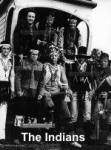
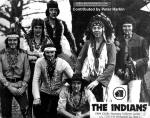
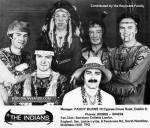
1998 - Band
lineup: Rising Son (Paul Brady), Sitting Bull Jr. (Eamonn
Keane), Little Thunder (Chris Mullahy) Crazy Horse (Brian Woodfull)
and Dull Knife (Tommy Hopkins).
click on thumbnails for full image