All About the Pacific Showband (1962-1971)
and
Dublin Corporation (1971-1980?)
Photo Gallery -
Band Lineups -
Discography
- Audio samples -
Where Are They Now?
The Story
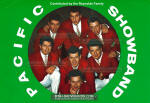
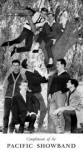
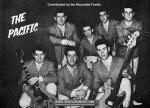
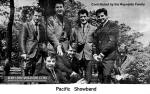
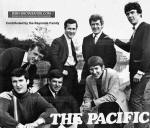
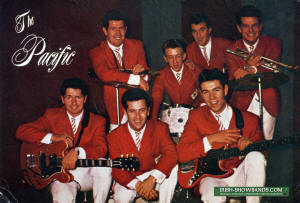 The story of the Pacific Showband
mirrors the story of the Showband era in many ways. They were formed
in the early 1960's when several members of the Earl Gill Orchestra
left to form their own "showband." Earl's band had been very much an
"orchestra" in the classic sense, featuring a large brass section
with musician's seated behind music stands "reading the dots."
The story of the Pacific Showband
mirrors the story of the Showband era in many ways. They were formed
in the early 1960's when several members of the Earl Gill Orchestra
left to form their own "showband." Earl's band had been very much an
"orchestra" in the classic sense, featuring a large brass section
with musician's seated behind music stands "reading the dots."
The Carlton Clipper had already
started the trend towards bands standing up and moving to the music
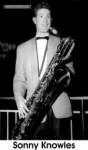
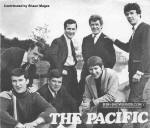
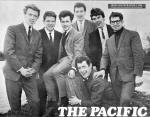
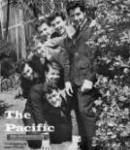
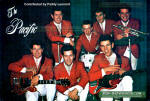
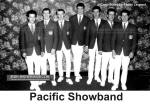
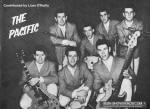
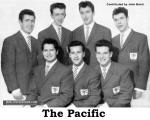
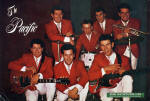
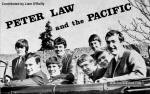
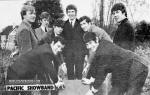
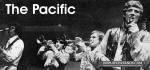
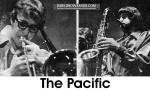
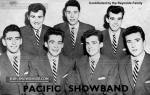
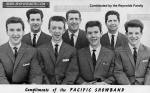
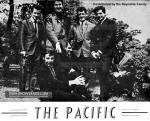
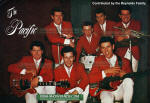
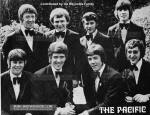
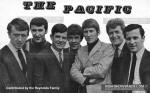
and the Pacific followed suit. The original band included: Sonny
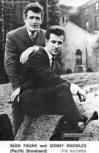
Knowles (sax), Shay Curran (trombone),
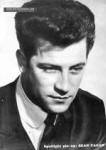
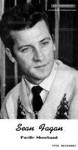
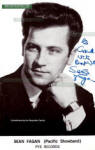
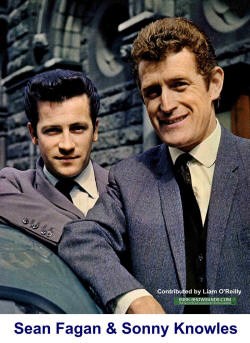
Sean Fagan (vocals), Jimmy Dumpleton (guitar), Marty Fanning
(drums), Freddie Martin (trumpet) and Harry Parker (bass).
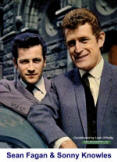
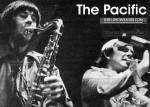
Sonny had started his career in
1952 as a member of the Johnny Butler Dance band, playing sax and
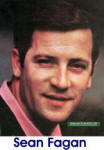
clarinet. and ended up with Earl's band. Sean Fagan was the lead vocalist,
but as with all the showbands, most of the members sang as well with
different singers handling different genres with the band. Although
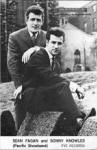
Sonny was mainly the sax player, he also sang and was soon
sharing equal billing and recording chores with Sean.
 The band's first hit came in 1964
when they released She Wears My Ring which went to number
three in the Irish charts. In fact, the band's first four singles
all cracked the top ten, making them one of the more successful
recording bands of the era. Vocals chores were shared with Sean
singing the first two releases and Sonny the next two.
The band's first hit came in 1964
when they released She Wears My Ring which went to number
three in the Irish charts. In fact, the band's first four singles
all cracked the top ten, making them one of the more successful
recording bands of the era. Vocals chores were shared with Sean
singing the first two releases and Sonny the next two.
In an RTE interview in 2008, Sonny
said the Pacific was "a great Northern Ireland band....but when we
would go down around Cork, we might be emptied very easily by the
local band." This was really the case with most bands who seemed to
go down well in certain parts of the country but not in others.
In 1966, the band had its first
lineup change when guitarist Jimmy Dumpleton was replaced by Paul
Keogh, although this was just the first of several major changes the
band would face in the next 24 months. In mid 1967, several members
of the Miami broke away and formed the Sands with a very young Tony
Kenny taking leads vocals, along with several new young members of
Dublin groups.
The Pacific could see the problem
coming as did most of the early 60's showbands. Musicians who had
started out in their teens or early twenties were now reaching their early
to mid thirties. Additionally, the "new" pop of the Beatles and the
Summer of Love (not to mention the hippies) were washing over the
Irish entertainment landscape. Bands like the Clipper Carlton and
Pacific had to change, or risk being passed off as over the hill.
 In
the Spotlight magazine dated 16th March, 1968, the announcement came
that the Pacific were breaking up (but they didn't). Sonny joined
Dermot O'Brien's
Clubmen, however, by May, the
Clubmen (without Dermot or Sonny) would announce they were revamping themselves as a pop
band.
In
the Spotlight magazine dated 16th March, 1968, the announcement came
that the Pacific were breaking up (but they didn't). Sonny joined
Dermot O'Brien's
Clubmen, however, by May, the
Clubmen (without Dermot or Sonny) would announce they were revamping themselves as a pop
band.
As for the Pacific, the future of
the rest of the band was unclear and, in fact, no replacement for
Sonny was announced. The band, with Sonny, played their last gig on
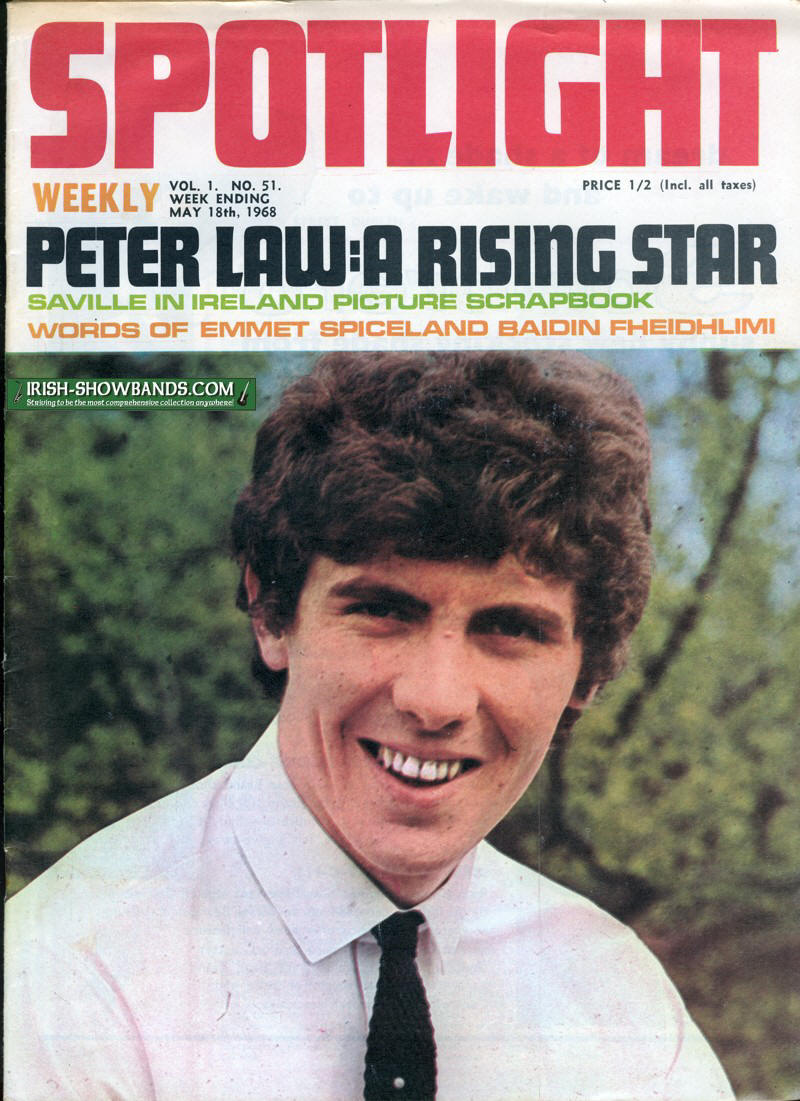
St. Patrick's night. The following week (March 23, 1968), Spotlight magazine included a
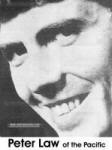
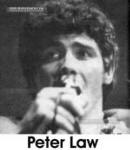
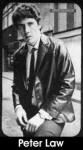
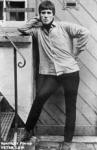
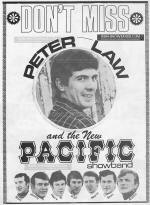
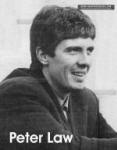
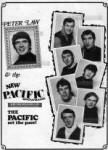
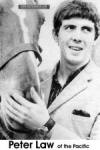
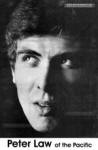
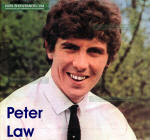
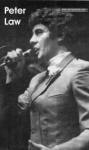
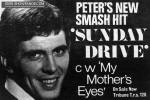
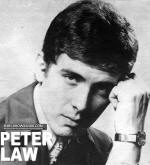
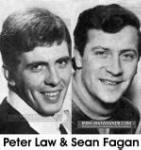
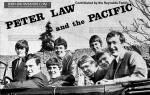
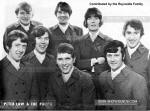
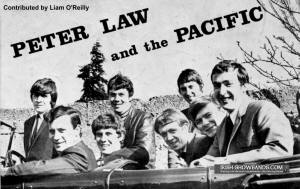
short feature on the new release from Peter Law (real name Peter Lawlor) called The Long Black Veil along with a two page
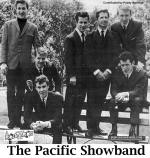
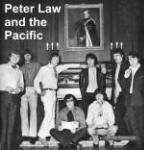
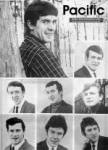
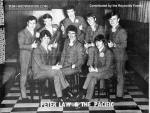
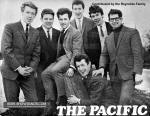
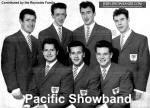
feature on the singer's new spot with the Pacific. Sean Fagan, Shay
Curran, Harry Parker, recent addition, Paul Keogh and Marty Fanning
remained and were joined by Jimmy Malone (sax) and Austin Halpin
(trumpet) becoming an eight piece. .
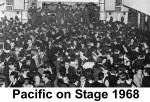
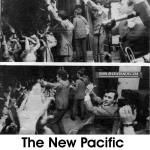
The band hit the road on Easter
Sunday, on April
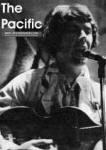
14th, 1968 in the Majorca Ballroom after a month's rehearsal as the "New Pacific" and Peter got a
lot of publicity over the first few months, including the cover of
Spotlight, which was normally reserved for the "big stars" of the
day. For most of the year, the band remained relatively stable,
playing gigs around the country, but not releasing any records.
Finally in late 1968, the band released My Lovely Rose and You
featuring Sean Fagan. The record was Sean's first chart success in
four years and reached number 7 in the Irish charts. Dave Murphy
joined the band on guitar in late 1968.
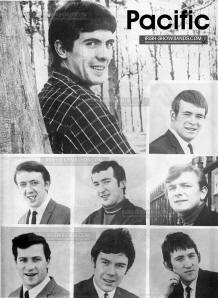 David Murphy takes up the story:
"I joined the Pacific in 1968 and we played every nook and cranny of
Ireland (North and South). In 1969 the band made several trips to
Canada and when we came back we did the same thing again (up and
down the country in a big Commer van and by the time you got to a
gig, you would have to clean your face and hands off with a
handkerchief or a rag because of the diesel fumes) - a few pieces of
information while we were in Ireland: We recorded an album called
"The Sounds of the Pacific" in Eamonn Andrews Studios in Henry
Street, Dublin on two track machines! Jack Bayle (Trombone) did the
arrangements with the addition of some of the great players of the
time (Benny McNeill and Davy Martin - Trumpets - I think that
members of the concert orchestra were used for the string parts) and
the band had to play everything without any drop ins - the vocals
were then recorded. We also recorded a live show in the 17 Club in
O'Connell St. with Brendan Balfe who was keen to get the band to
play some original material (Peter Law wrote a few original songs
which we recorded) A Late Late Show appearance (medley of songs)
before the band emigrated to Canada
David Murphy takes up the story:
"I joined the Pacific in 1968 and we played every nook and cranny of
Ireland (North and South). In 1969 the band made several trips to
Canada and when we came back we did the same thing again (up and
down the country in a big Commer van and by the time you got to a
gig, you would have to clean your face and hands off with a
handkerchief or a rag because of the diesel fumes) - a few pieces of
information while we were in Ireland: We recorded an album called
"The Sounds of the Pacific" in Eamonn Andrews Studios in Henry
Street, Dublin on two track machines! Jack Bayle (Trombone) did the
arrangements with the addition of some of the great players of the
time (Benny McNeill and Davy Martin - Trumpets - I think that
members of the concert orchestra were used for the string parts) and
the band had to play everything without any drop ins - the vocals
were then recorded. We also recorded a live show in the 17 Club in
O'Connell St. with Brendan Balfe who was keen to get the band to
play some original material (Peter Law wrote a few original songs
which we recorded) A Late Late Show appearance (medley of songs)
before the band emigrated to Canada
In late 1968, the band continued to
play and released My Lovely Rose and You, another ballad by
Sean. t climbed to number 7 in the Irish charts continuing their
string of hits. In March of 1969, they made their first
trip to Canada. Their version of Ruby reached number 14 in
the Irish charts. After a flourish of publicity and activity, during
1970, the band's fortunes seemed to slump. They went to Canada
during Lent and an article in Spotlight (April 17, 1970)
reported on their success overseas. Upon their return, lead singer
Peter Law was quoted as saying "We don't want to fall back into a
half hearted band. We don't want to be half dead, half alive."
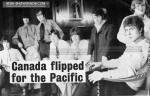
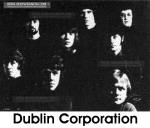
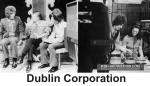
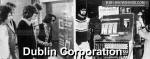
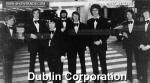
The Dublin
Corporation
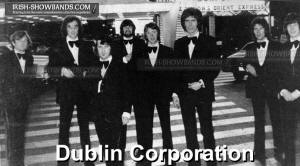 Over the next 18 months, the band
went to Canada another four times. They did well on the Irish
circuit, universities and pub circuit, but had bigger plans ahead. The tide of new country
bands that rolled on to the scene during late 1969 and 1970 seemed
to push them (and some of the lesser known pop showbands) out of the
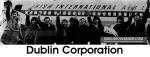
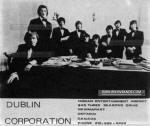
top twenty showband ratings. Finally, in early 1971 the band made the bold
move of changing their name to The Dublin Corporation and heading
off to Canada for a six month tour. In an interview, Dave Murphy
said they actually made the decision to emigrate, so we're not quite
sure what the actual plan was at that time.
Over the next 18 months, the band
went to Canada another four times. They did well on the Irish
circuit, universities and pub circuit, but had bigger plans ahead. The tide of new country
bands that rolled on to the scene during late 1969 and 1970 seemed
to push them (and some of the lesser known pop showbands) out of the
top twenty showband ratings. Finally, in early 1971 the band made the bold
move of changing their name to The Dublin Corporation and heading
off to Canada for a six month tour. In an interview, Dave Murphy
said they actually made the decision to emigrate, so we're not quite
sure what the actual plan was at that time.
They recorded a single, Melting
Pot, which was not released in Ireland, but only in Canada. In the
February 6-13, 1971 issue of Spotlight, Peter Law said, "We
never expected Melting Pot to be as successful as this. It wasn't
the first time we had released a record in Canada, but what we
brought out as the Pacific didn't do a thing for us." Hence the name
change. A little later, they released a cover version of the
Marmalade hit, Cousin Norman, which was renamed Come and
Join Us. The record climbed to Number 17 on Canada's Adult
Contemporary Playlist in October, 1972 (www.collectionscanada.gc.ca).
By 1972, the band had joined the
Big 8 as one of several Irish showbands now playing in Las Vegas.
They did a stint at the famous Sahara Hotel. Permanently based
in Toronto, the band continued to do well, especially among the
Irish Halls, but soon they were a major attraction across Canada,
appearing on Canadian TV and drawing large crowds to their shows.
We are researching the rest of the
band's history, but as they were now based in Canada, a detailed
history is beyond the scope of our website. The Dublin Corporation
continued to be a moderately successful pop band in Canada, although
they continued to play Irish tunes as well. We understand they
eventually moved to Kitchener, Ontario, Canada and called it quits in
the early 1980's.
Hopefully more to come.....
click on thumbnails for full image
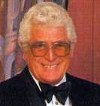 |
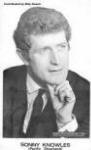
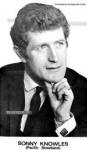
Sonny Knowles- RIP: Sonny
left the band in 1968 and joined Dermot O'Brien's Clubmen.
He later pursued a solo career on the growing cabaret
circuit and became one of Ireland's most enduring
entertainers. In the 2000's Sonny faced two bouts of cancer
(prostrate and ashophyen) and survived both, releasing a
best selling collection of his greatest hits in 2007. Sonny
sadly passed away on November 15, 2018 at the age of 86.
|
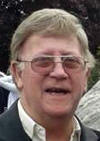 |
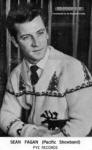
Sean Fagan: Sean went
out to Canada with the Dublin Corporation and we received an
email recently from Sam McCarrison informing us that Sean
still lives in Kitchener, Ontario, Canada. A quick update
from Eugene O'Neill that he bumped into Sean and his wife in
Kitchener in March, 2012 and they are living in Waterloo,
Ontario. We received an email in March, 2016 from Caitlin
Bergauer (Sean's grand daughter) telling us Sean still sings
every Paddy's Day in Kennedy's Pub in Kitchener.
If you know more,
please let us know. |
 |
Jimmy Dumpleton: We
understand from his grand daughter, Danielle, that Jimmy
lives in Dublin today.
If you know more,
please let us know. |
|
|
Harry Parker: We
received an email from Harry's wife, Anita , in January,
2013 telling us they have been married for 26 years and that
they live in London, Ontario, Canada.
If you know more,
please let us know. |
|
|
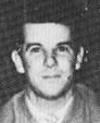
Marty Fanning: We
received an email from Marty's son, Mike, in Feb 2020
telling us Marty is still in Canada and still making music.
If you know more,
please let us know. |
 |
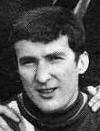
Freddie Martin - RIP:
Our thanks to Dave Foran who told us in mid-2017 that
Freddie sadly passed away around
2005 suffering from bone cancer.
If you know more,
please let us know. |
 |
Shay Curran - RIP: We
received word in April, 2019 from Robert Curran that Shay
passed away in Canada in 2015.
If you know more,
please let us know. |
|
|
Paul Keogh:
If you know more,
please let us know. |
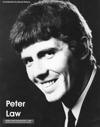 |
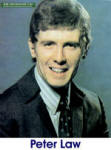
Peter Law(lor) - RIP: Our
thanks to Vincent, who wrote to tell us that after living in
Canada for some time, Peter returned to Naas and
was performing his solo act in the local pubs. On October
4th, 2017, we received an email from Declan Mahon telling us
the sad news that Peter had passed away on October 2nd. We
found his death notice online located at:
https://www.inotices.ie/peterlawlor703112381. Our
sympathies are extended to his family and friends in
Ireland, Canada and around the world. . |
|
|
David Murphy: After a
few years in Canada with the Dublin Corporation, David
came back to Ireland and joined the
reformed Emmet Spiceland with Brian Byrne, Paul Ashford and
Honor Heffernan. He then joined the Dazzle Band which lasted
for about five years. A stint with the first Johnny Logan
Band which folded soon after winning his first Eurovision
was followed a few years later with the Business featuring
Don Baker and he also played at the same time with Bumper to
Bumper. Then he joined Mary Coughlan's band. |
|
|
Austin Halpin:
If you know more,
please let us know. |
|
|
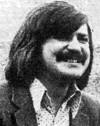
Jimmy Malone:
If you know more,
please let us know. |
 |
Mick Nolan - RIP:
If you know more,
please let us know. |
|
|
Tom Bourke:
If you know more,
please let us know.
|
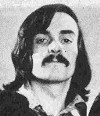 |
Dermot Woodful -
RIP:
Sadly, we understand from David Murphy, that after joining
the band, Dermot died in a car accident in Canada
around 1975. However, we also have a report from Martin
Branigan than he died in the early
1990's. |
|
|
Stuart Smith:
If you know more,
please let us know.
|
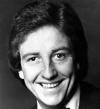 |
Mick Roche - RIP: Mick
left the band and return to Ireland where he joined the
Miami showband for a short time. Sadly, Mick passed away on
May 11, 2019. |