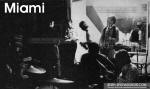
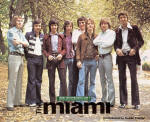
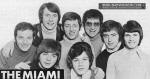
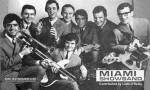
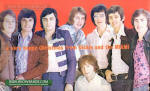
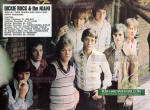
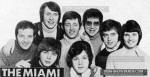
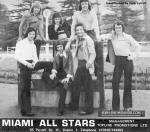
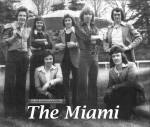
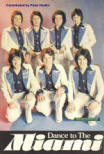
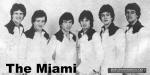
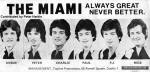
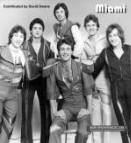
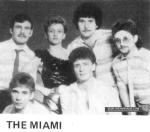
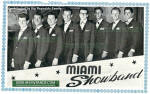
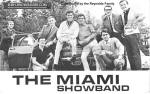
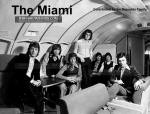
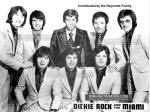
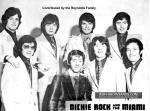
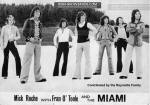
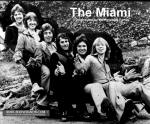
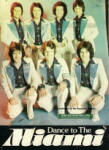
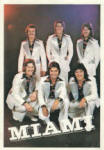
The Miami Showband (1962-1996
and 2008-present)
Photo Gallery -
Band Lineups -
Discography
- Audio samples -
Where Are They Now?
The Story
With thanks to Jimmy Harte, Anto Long and
Caroline Allen
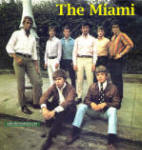
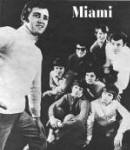
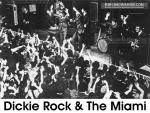
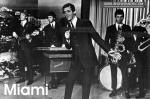
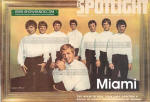
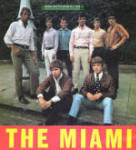
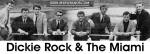
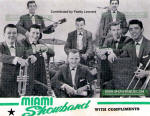
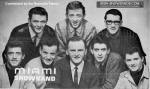
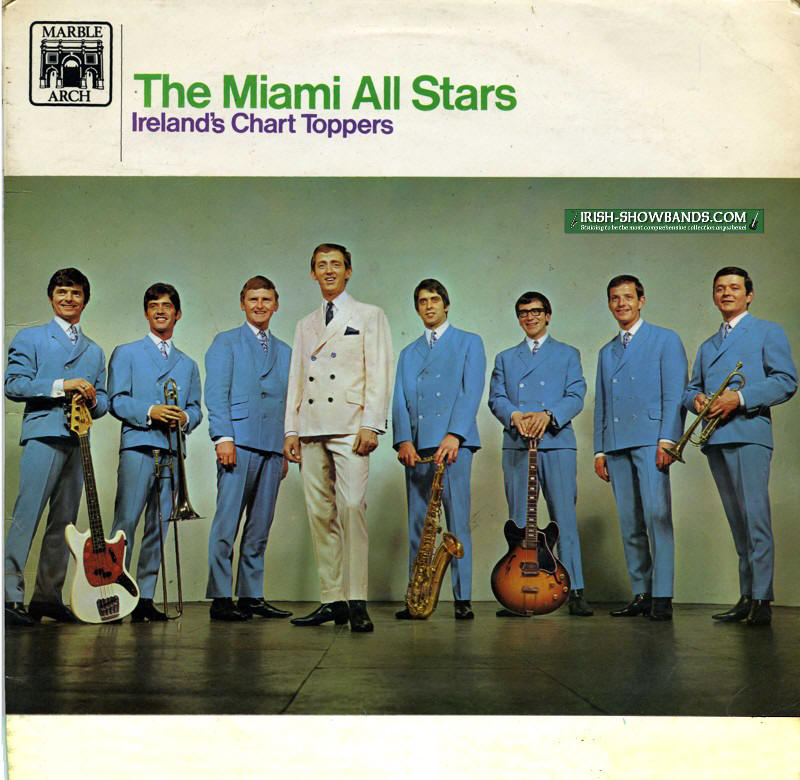
Dickie's Miami (1962-1972)
 Few
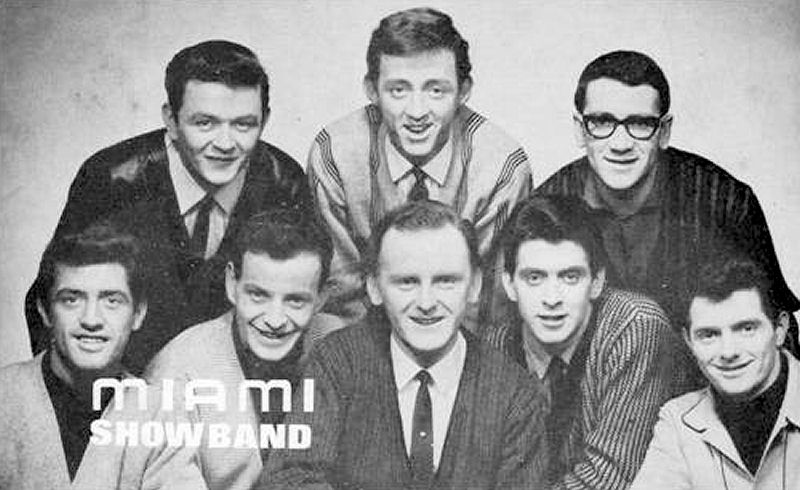
bands in Ireland have had as prolific, and tragic, a history as the
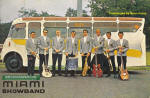
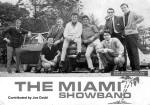
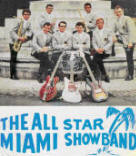
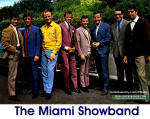
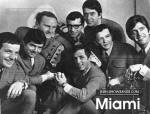
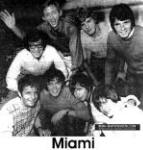
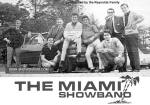
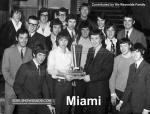
Miami. The band was formed in 1962 when The Downbeats Quartet were
taken over by manager Tom Doherty. The band was playing in the Palm
Beach Ballroom in Portmarnock and changed their
name appropriately to the Miami. They made their debut in the Palm
Beach Ballroom in Portmarnock on Easter Sunday, April 22nd, 1962.
Few
bands in Ireland have had as prolific, and tragic, a history as the
Miami. The band was formed in 1962 when The Downbeats Quartet were
taken over by manager Tom Doherty. The band was playing in the Palm
Beach Ballroom in Portmarnock and changed their
name appropriately to the Miami. They made their debut in the Palm
Beach Ballroom in Portmarnock on Easter Sunday, April 22nd, 1962.
Murty Quinn was playing with the Chris Lambe Band (which had just
broken up) and had returned from a stint in the States when Joe
Tyrell approached him to join a new group. "I had nothing to lose,"
said Murty, "I went along and played at the first date in the Ierne
Ballroom.
After the dance I still didn't know what band I was with. A week
later I was told that I was in the Miami." In was an inauspicious
start for the band that would become one of the greatest of the era.
Meanwhile, Jimmy Harte started his musical
journey with a band called The Crescendos. They played every Monday
night at the Ritz in Ballyfermot. Next came the Melonotes who played
every Saturday at the Mayfair in Clondalkin. Out of the Melonotes,
came a band called The Ambassadors who had a regular Sunday gig at a
hall in Kevin Street Garda (Irish police) station.
Jimmy continues, "the
bass player, I remember, was Tommy Boyle who went on to be the
conductor of the Garda Band. It was while I was with this band that
I was approached by a drummer friend of mine Tony Bogan. He came
down to Kevin Street one Sunday with Joe Tyrell and we had a brief
conversation about a new band they were starting and were interested
in me joining as lead singer. We met again a few days later and I
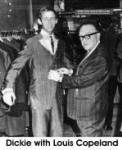
confirmed that I would join. Two weeks later I was in Louis
Copeland's (tailor) getting measured for a suit and rehearsals
started with this new band which was going to be called "The Miami."
The band was managed
by Tom Doherty whose brother also managed the Capitol Showband.
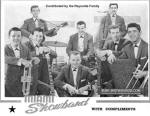
Their first gig was at the Palm Beach Ballroom, Portmarnock and the
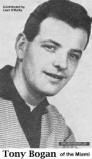
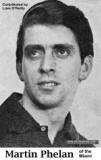
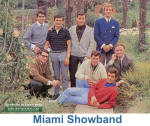
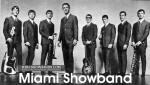
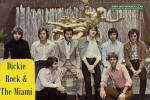
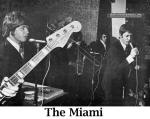
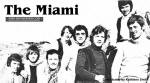
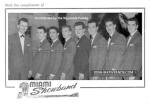
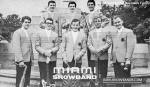
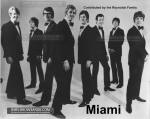
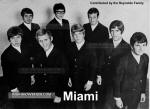
original lineup was Jimmy Harte (vocals), Tony Bogan (drums), Joe
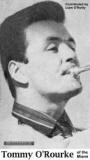
Tyrell (keyboards), Martin Phelan (sax), Murty Quinn (trombone),
Tommy O'Rourke (trumpet), Clem Quinn (guitar) and Tony Harris
(bass).
Jimmy takes up the story. "Before
we had a chance to settle in we were on a roll, playing all over the
country. One funny story I will always remember is playing in
Belfast at Romano's with Val Doonican and he requested backing on
piano and drums.
Joe Tyrell was never the best piano player and backed out by saying
"Jimmy you can play piano you do it" After much discussion I found
myself on stage with Tony Bogan on drums, me on piano and about to
back Val Doonican. I am not a piano player but knew the chords etc.
Val had no music but all his songs were simple 3 chord jobs and we
survived the night.
The Miami was a success even at this early
stage and it wasn't long before they were playing 5 and 6 nights a
week up and down the country. Jimmy was studying at the time, as
well as working and playing in the band. "One day Joe came to me,"
recounts Jimmy, "and said that we were all going to have to give up
our day jobs and play music as a full time career. This was really
what I wanted, but my parents talked me into finishing what I was
doing and then take to the road. For 3 months I agonised over this
and in the end told Joe I was definitely leaving the Miami.
To fill the lead vocalist spot, the band brought in
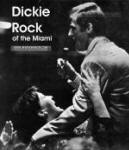
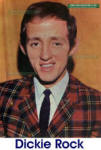
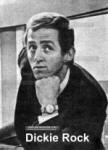
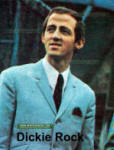
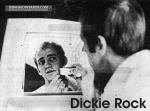
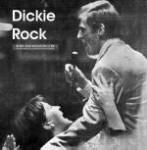
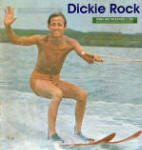
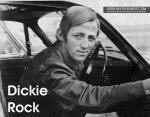
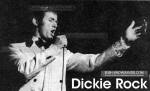
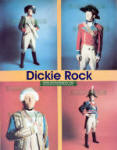
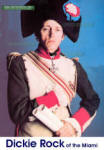
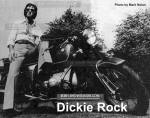
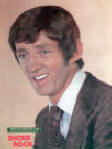
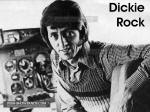
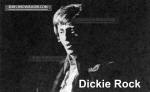
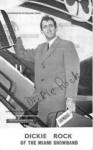
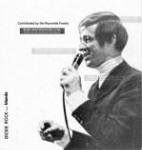
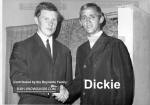
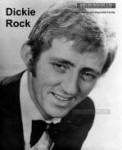
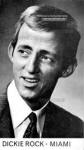
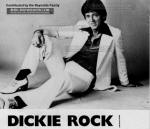
Dickie Rock, a young singer who had
been playing with a Dublin band called the Melochords.
Jimmy joined The Jack Flahive Orchestra which
played in the Olympic Ballroom every night except Monday.
Said Dickie, "It was a great experience for me learning from people
like Noel Keelehan etc."
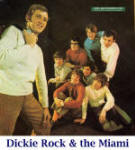
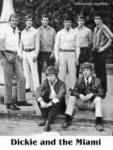
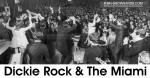
With Dickie out front, the band became
a smash hit across the country. Within a short time, Dickie and the Miami were
one of the top two or three bands in the nation, competing head to
head with the legendary Royal Showband from
Waterford for top honours on the showband scene. Dickie and the band
hit number one in the Irish charts in 1963 with There's Always Me.
1964
started with a bang as the band's follow-up release, I'm Yours, also
hit the number one spot, firmly establishing the band as a top draw
and Dickie as a major star.
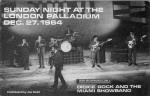
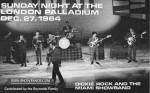
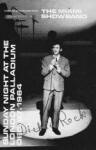
Going from strength to strength, the band appeared at the famed London
Palladium that year and set attendance records where ever they played.
Dickie and the band finished the year with yet another number one,
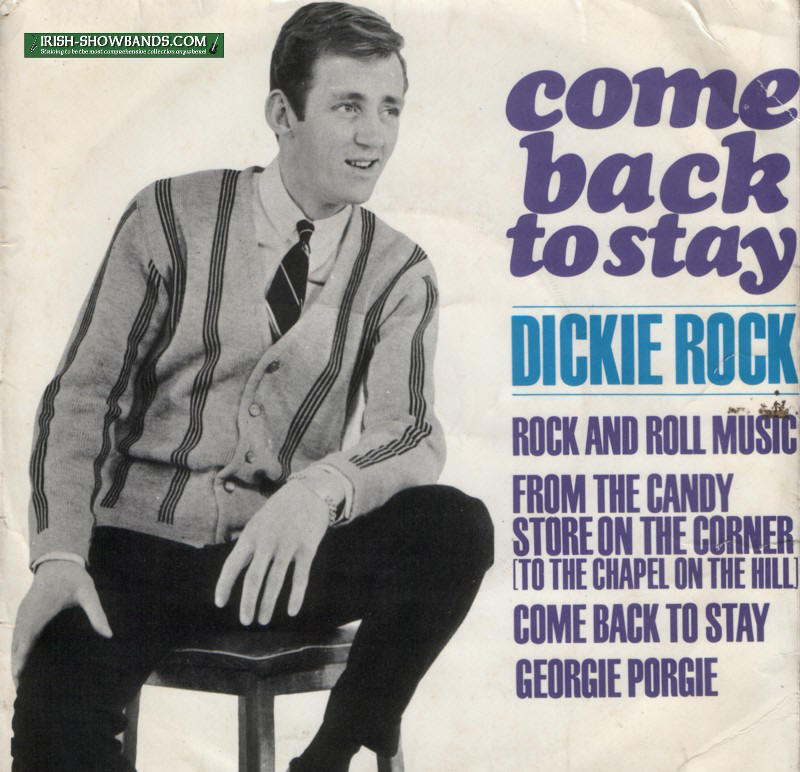
and one of Dickie's all time classics, From The Candy Store On
The Corner.
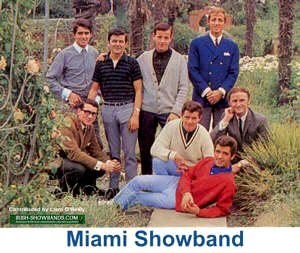 Miami mania hit a fever pitch in the mid
1960's. In 1965, they released five singles, three of which went to
number one in the Irish charts. Guitarist Clem Quinn had a hit with
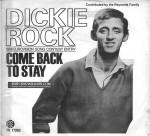
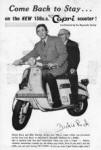
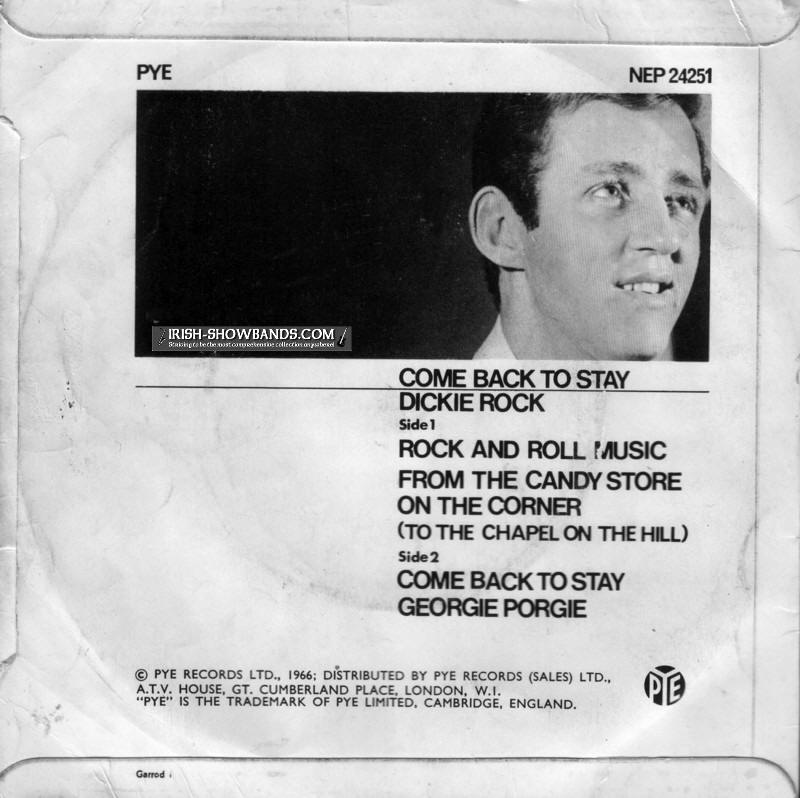
Buck's Polka and the number ones kept coming. In 1966, Dickie was
selected to represent Ireland in the Eurovision song contest with
Come Back to Stay, only the second performer to appear for
Ireland. Placing fourth overall, Dickie returned to Ireland a
national hero.
Miami mania hit a fever pitch in the mid
1960's. In 1965, they released five singles, three of which went to
number one in the Irish charts. Guitarist Clem Quinn had a hit with
Buck's Polka and the number ones kept coming. In 1966, Dickie was
selected to represent Ireland in the Eurovision song contest with
Come Back to Stay, only the second performer to appear for
Ireland. Placing fourth overall, Dickie returned to Ireland a
national hero.
In late 1967, after five years of hit singles (6
number one hits) the unthinkable happened...the Miami broke up.
The final appearance of the original Miami was on September 3rd in Dromkeen. At first, it was rumoured that Clem Quinn would be leaving
the band, but this was incorrect. Murty Quinn felt the band could be more popular with a change of
direction. Murty, Joe Tyrell, Denis Murray and Martin
Phelan left to form The Sands. They
recruited the Vampires' Tony Kenny to front the new band. The Sands
would also go on to become one of the most successful bands of the
era.
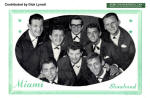
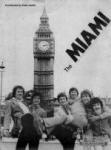
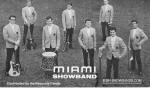
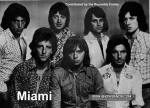
The "new" Miami made their debut on Saturday, September 23rd in the
Palm Beach Ballroom in Portmarnock.
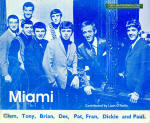
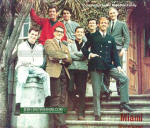
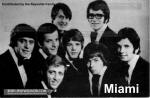
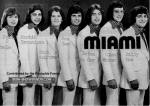
The band immediately regrouped with a
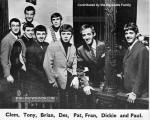
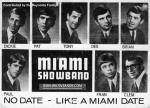
new lineup that included two members of one of Ireland's up and
coming beat groups, The Chosen Few. Pat Egan reported in his
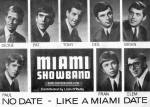
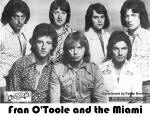
Beat column that Frank (Fran) O'Toole
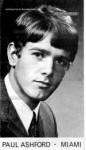
(keyboards), and Paul Ashford (bass) were joining the band and
Dickie was "lucky to have them." Rounding out the five new
members of the band were Des McAlea
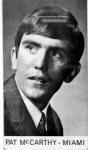
(a.k.a. Des Lee) on sax from the Arrivals, Pat McCarthy
of the Columbia Showband on trombone and
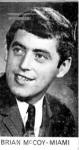
Brian McCoy of The Secrets on trumpet. The new look Miami continued the band's
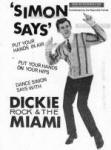
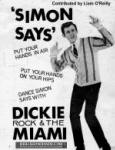
record of success and in 1968, Dickie and the band had yet another number one hit
with Simon Says.
Word had it that at the start of
1969, the band were ready to break internationally (although this
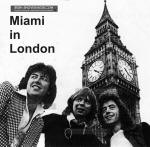
never happened). They did, however, tour in the UK and on January
17th Danny Ellis would replace Pat
when he left to join the Dreams. At the time it was suggested that
Pat left because he did not want to take on the travel schedule the
boys were facing abroad. During this entire period, Dickie Rock,
although enjoying success after success, was paid the same wages as
everyone else in the band. This created some pressures within the
band. At this point, the band had always been an eight piece, but
when Danny Ellis left the band around 1971, they went to a seven
piece and eventually would be only six.
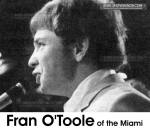
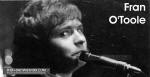
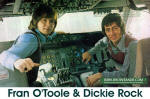
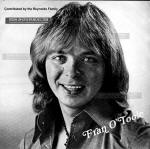
Once he took to the stage, Fran O'Toole began
drawing a lot of attention in the band. He was a young, good looking
singing keyboard player, who also had a strong songwriting ability.
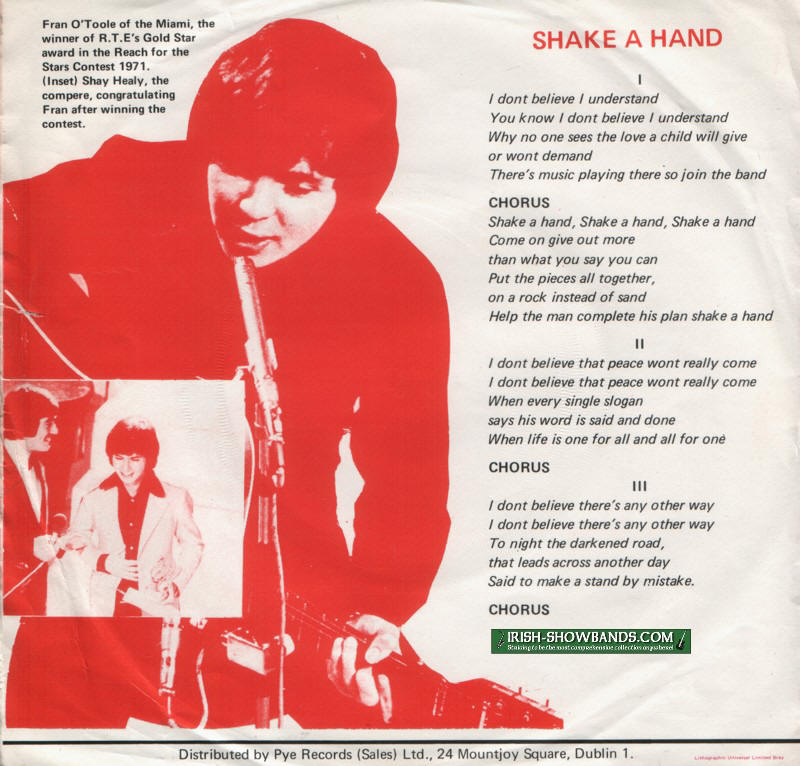
In 1972, Fran won the Gold Star Award on RTE's series "Reach For The
Stars." In claiming the top prize, he beat out 60 other acts
chosen from 350 auditions. Second place went to Sligo's Old Market
Street while other finalists included Hugo Duncan (Tallmen), Des
Wilson (Big Country) and Joe O'Toole (who would soon join the
Dixies). Rumours started to spread that Fran was ready for a solo
career, which he continued to deny. Meanwhile, all was not well in
the Miami camp.
Miami without Dickie (1973-1982)
 Finally, in August 1972, Dickie decided to leave and form his own band,
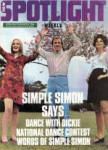
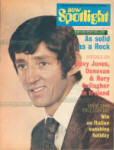
which he called Dickie's Band. An article in Spotlight on
September 7th, announced that Dickie would be drafting the Arrows to
back him. The Arrows had been fronted by Mick Roche, who left the
band in Canada to join the Dublin Corporation (formerly the
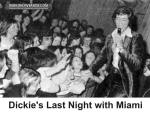
Pacific). Dickie's last date with the Miami was announced to be
December 18th in the Television Club in Dublin, but instead, it was
December 19th, in the Stardust in Cork. As an aside, in a strange twist
of fate, Mick Roche returned from Canada in August, 1973 and ended
up fronting the Miami, in essence the two singers swapping bands.
Finally, in August 1972, Dickie decided to leave and form his own band,
which he called Dickie's Band. An article in Spotlight on
September 7th, announced that Dickie would be drafting the Arrows to
back him. The Arrows had been fronted by Mick Roche, who left the
band in Canada to join the Dublin Corporation (formerly the
Pacific). Dickie's last date with the Miami was announced to be
December 18th in the Television Club in Dublin, but instead, it was
December 19th, in the Stardust in Cork. As an aside, in a strange twist
of fate, Mick Roche returned from Canada in August, 1973 and ended
up fronting the Miami, in essence the two singers swapping bands.
In the meantime, the Miami needed a lead
vocalist. A half page advert in the October 12th, 1972 issue of
Spotlight announced the band was auditioning for a "Young Top Class
Guitarist - Must Double on Vocals." In a little remembered move, the
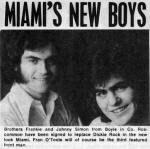
Miami drafted two brothers,
Frankie and Johnny Simon from Boyle in
Co. Roscommon to fill Dickie's shoes. Unfortunately though, the
brothers didn't last long and after a St. Stephen's Night debut
(December 26th for those not familiar with the Holiday), the
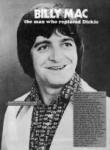
brothers were replaced by Billy Mac six weeks into the new
year. Strangely enough, the Simon brothers seemed to disappear
without a trace or word of surprise by the fans.
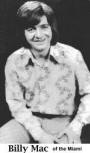
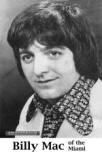
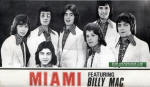
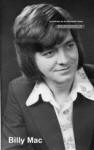
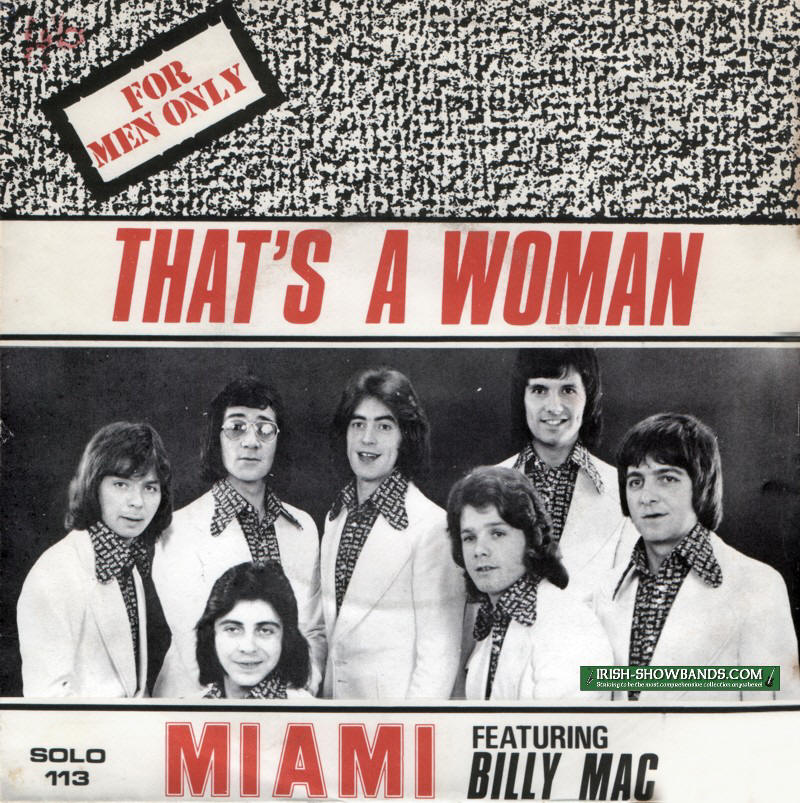
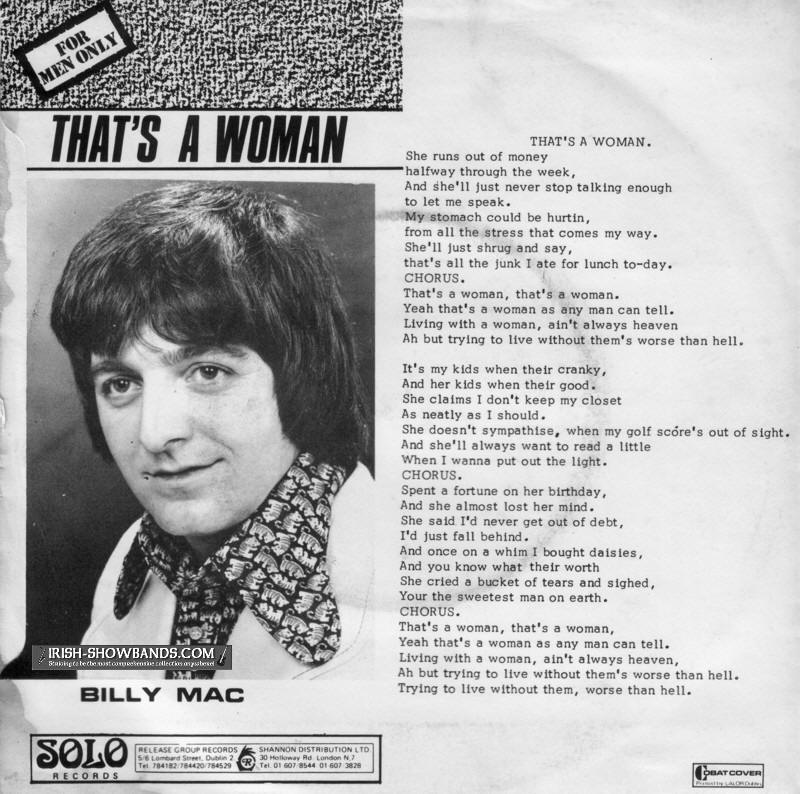
Billy MacDonald
(a.k.a. Billy Mac) joined the band in a blaze of publicity. They
released a record, That's A Woman, but neither the record nor the
band seemed to get any mileage and Billy left at the end of the
summer. At this time, Johnny Brown, who had been with the Real McCoy
joined the band replacing Paul Ashford on bass. The Real McCoy had
recently been involved with a serious road accident that would put
lead singer, Tina, off the road for nearly a year.
In August, 1973 Mick Roche, previously of The Arrows, returned from Canada
where he had gone with the Dublin Corporation (formerly known as the Pacific) to front the band.
A blurb in the July 24th, 1974 issue of Spotlight reported that Mick
had been sacked by the band. He explained that he had been in a car
accident and had to wear a collar, restricting his movement on
stage, but that the sacking came as a complete shock to Mick.
A few weeks earlier, Clem Quinn had left the band and was replaced
by Dave Monks.
It was obvious the Miami were having a problem filling Dickie's
spot until they decided to stick with their existing lineup. Not missing a beat, Fran O'Toole stepped out
front and the band continued to enjoy success. In June, 1974, long
time member Clem Quinn left the band and according to Julie Boyd,
formed a small group playing around the Dublin area. In late 1974, Fran's song
Clap Your Hands and Stomp Your Feet, was a huge hit for the
band,
reaching number eight in the Irish Charts, but it was even an bigger
hit on the dance floor.
However, the good times were soon to come to an untimely and tragic
end. Also in late 1974, Tony Geraghty, who had been with the
Gentry, joined the band on lead guitar and Dave Monks moved onto
bass when Johnny Brown left the band, reported by Julie Boyd to join
the Dick Keating Trio. Six months later, Dave Monks
would leave and be replace by Stephen Travers.
The
Miami Tragedy (1975)
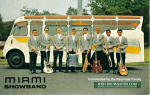
 On July 31, 1975, on
a lonely country road outside Newry, the band were making their way
home to Dublin from a gig at the Castle Ballroom in Banbridge, Co.
Down when they were flagged down by men in military dress. Anyone who traveled the
roads of Northern Ireland in those days will remember that it was a
relatively common occurrence as the security forces often
established makeshift check points at all times of the day and night.
However, the band were ordered out of their van and a group of UVF militants
started to
plant a bomb in the van...when it detonated prematurely. In
the ensuing chaos, the remaining terrorists opened fire,
killing Fran O'Toole, Brian McCoy, Tony Geraghty and seriously
wounding Stephen Travers.
On July 31, 1975, on
a lonely country road outside Newry, the band were making their way
home to Dublin from a gig at the Castle Ballroom in Banbridge, Co.
Down when they were flagged down by men in military dress. Anyone who traveled the
roads of Northern Ireland in those days will remember that it was a
relatively common occurrence as the security forces often
established makeshift check points at all times of the day and night.
However, the band were ordered out of their van and a group of UVF militants
started to
plant a bomb in the van...when it detonated prematurely. In
the ensuing chaos, the remaining terrorists opened fire,
killing Fran O'Toole, Brian McCoy, Tony Geraghty and seriously
wounding Stephen Travers.
The killings shocked the entire country and
changed the showband scene for many years to come as overnight, the
North was avoided by most bands from the South. It would take
years before bands started to make the trek across the border in any
numbers. More importantly, the tragedy struck at the core of the
showband industry, cutting short the lives of three musicians whose
only crime was that they dedicated their lives to entertainment.
Ireland would never be the same.
Relaunching The
Miami (late 1975)
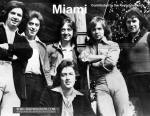
Devastated, the Miami appeared to be finished.
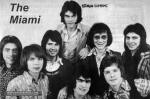
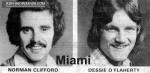
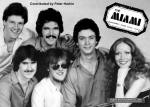
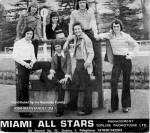
However, before the end of the year, the three surviving members,
Des McAlea, Stephen Travers, and Ray Millar reformed the band with
Noel Ryan (keyboards), Des Flaherty (guitar), and Norman Clifford
(trumpet) and
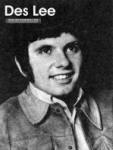
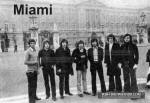
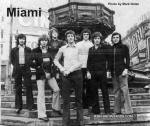
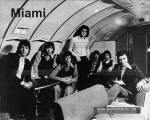
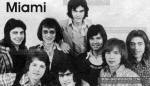
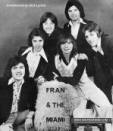
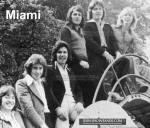
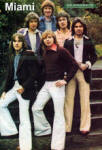
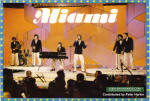
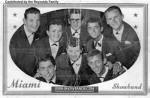
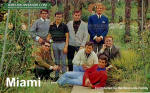
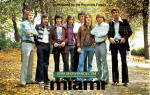
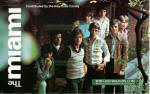
hit the road again with Des Lee taking front and center. (Picture at
right)
 The band was re-launched on October 26th, 1975 with
their first appearance in the Seapoint Ballroom in Salthill, Co.
Galway. The new lineup included Noel Ryan on keyboards (Noel had
been with the Big 8 and had been
riding with Tom Dunphy on the night the bass player was
killed outside Drumsna, Co. Leitrim), Dessie O'Flaherty (guitar) and
Norman Clifford (keyboards) along with Des, Stephen and Ray.
The band was re-launched on October 26th, 1975 with
their first appearance in the Seapoint Ballroom in Salthill, Co.
Galway. The new lineup included Noel Ryan on keyboards (Noel had
been with the Big 8 and had been
riding with Tom Dunphy on the night the bass player was
killed outside Drumsna, Co. Leitrim), Dessie O'Flaherty (guitar) and
Norman Clifford (keyboards) along with Des, Stephen and Ray.
Fran
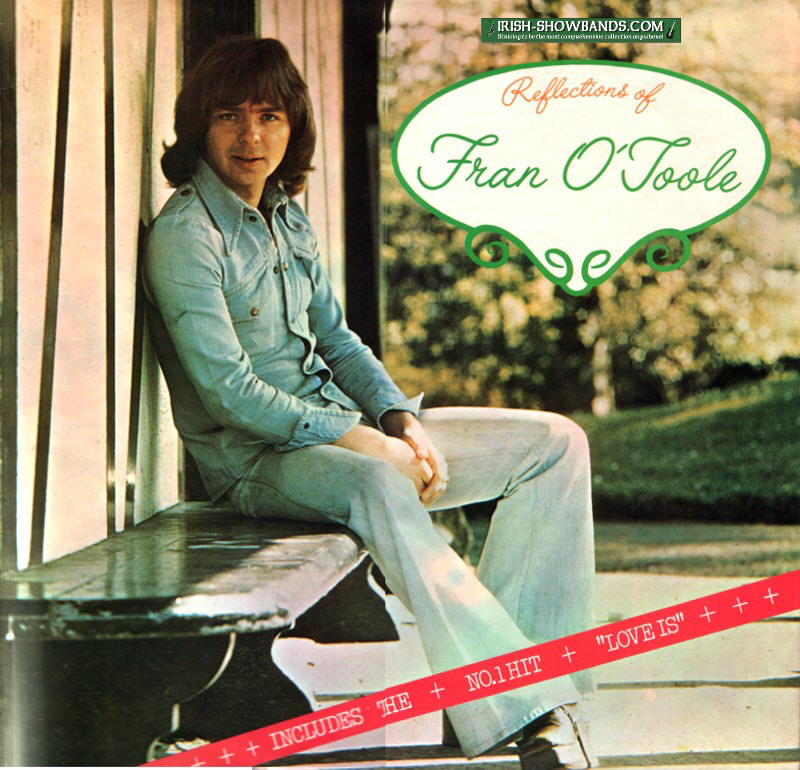
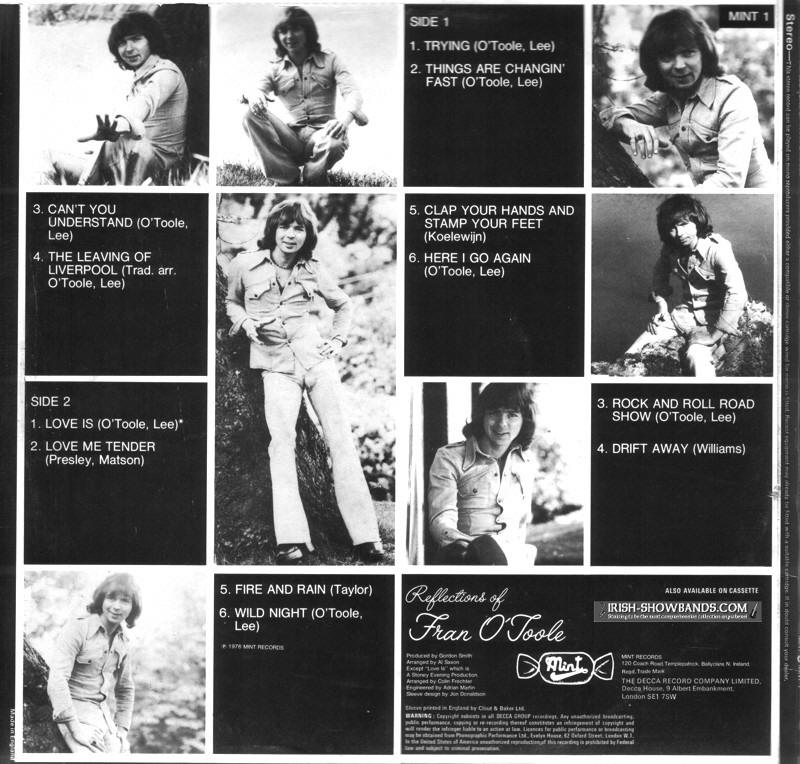
O'Toole's record, Love Is, was released posthumously and
reached number eight in the Irish Charts. Once again,
the Miami were on top, demonstrating the hope and resolve of a
nation torn by the troubles in the North. The Miami continued to be
one of the top drawing bands in the country and had succeeded in
adapting to the new trends on the ballroom scene as they occurred,
yet remained true to the original vision of the band.
The rebirth of the band would prove
short-lived. By late 1976, Stephen Travers left, tired
of recognition due to the terrorist incident rather than his music.
Stephen set aside his performing career to take up bass guitar
tutoring. A few months later, in April, 1977
Ray Millar quit and went to work as a car salesman in his native
Antrim. Stephen was replaced by Peter Eades, a young bass player
who, along with Dessie Flaherty, would lead the band through the
next chapter in its long history. Ray was replaced by P.J. Coyne
who had previously been the drummer with Dickie's Band. The
changes would continue as Noel and Norman also left and the Kaye
Twins were drafted to fill the vacant slots.
This
left Des Lee as the only band member with connections to Dickie and
the original band, However, in early 1978, Des left to take a
position as the the entertainments manager/leader of the resident
band in The Stardust Ballroom. However,
Des only stayed in the position for about three months and in June
1978, he launched Starband,
coaxing Stephen and Ray out of "semi-retirement" to join him in the
new venture. They joined with Adrian Mullen of Chips, guitarist Aonghus McNally from Mushroom,
and newcomer Dee McMahon and the band was launched as "The Best
Thing for Dancing since Feet!"
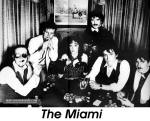
 Yet again the Miami was
faced with a total overhaul of its lineup and the newly built Miami
had only Des Flaherty remaining who had been with the band in 1975
and no one who had ever played with Dickie Rock.
The new lineup was much younger and was a hit with
the new generation of dancers coming on the scene in the ballrooms.
The released a single, I Like It Like That, which reached
number 10 in the charts.
Yet again the Miami was
faced with a total overhaul of its lineup and the newly built Miami
had only Des Flaherty remaining who had been with the band in 1975
and no one who had ever played with Dickie Rock.
The new lineup was much younger and was a hit with
the new generation of dancers coming on the scene in the ballrooms.
The released a single, I Like It Like That, which reached
number 10 in the charts.
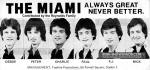
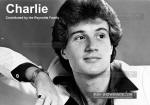
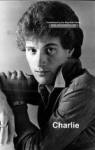
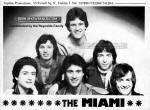
The band's new lineup was led by Charlie Chapman with P.J. Coyne
adding vocals and playing drums. Peter Eades would also feature
prominently in the early 80's. Around 1980, Peter Eades and P.J.
Coyne left the band and were replaced by Liam Slattery on bass and
Brian O'Reilly on drums. Peter
and Brian would also play together in
Jump The Gun,
the five piece band that represented Ireland in Eurovision 1988 with
Peter's composition,
Take Him Home. The band also added a female
vocalist around this time, which we think was Raphaelle Ward,
although she did not stay long.
We recently found a news report from April 18th, 1981 in the
Southern Star that reported Carline Reilly of the Apaches had
joined the band.
As the ballroom scene in Ireland continued to dwindle, the band
decided it was time to leave the country and ended up in Mexico
where they toured for a year as the Europa Show. The band enjoyed
much success, but after a year, they called it quits and went their
own ways.
The New Miami (1982-1986)
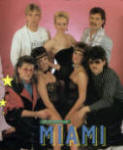
Back in Ireland, in 1982, the next
chapter in band started when manager Tony Bogan
spotted a band called
Speedway
and recruited them to be the New Miami. The final piece to the
puzzle was added when Caroline Allen was spotted singing in a Dublin
cabaret venue.
Caroline takes
up the story, "I
was only 16 when I was doing a cabaret gig in Molly’s pub in
Tallaght. The compere at that time was Mick Roche (who I believe
also sang with the Miami in the 60’s) and before I went on stage he
told me to “break a leg” as there was someone in the audience who
wanted to hear me sing. After the show I was introduced to Tony
Bogan and Joe Tyrrell who asked me to audition for The New Miami
Showband, the auditions were held in the National Ballroom. Anyway
I went along with my friend and I met up with the new band, Tony and
Joe I sang about 3 or 4 songs and left. My friend and I went for a
drink afterwards to calm my nerves when about half an hour later
Tony and the band came in, we all sat down and chatted for a while
and Tony told me I had the job, I was as you can imagine over the
moon. During the 4 years we did numerous television shows including
SBB (the Irish show) The Brendan Grace Christmas Special, The Late
late, Live at 3 and Good Evening Ulster. We also recorded tracks
including Fly me home, A +B+C, and Don’t Let It Get
Under Your Skin,
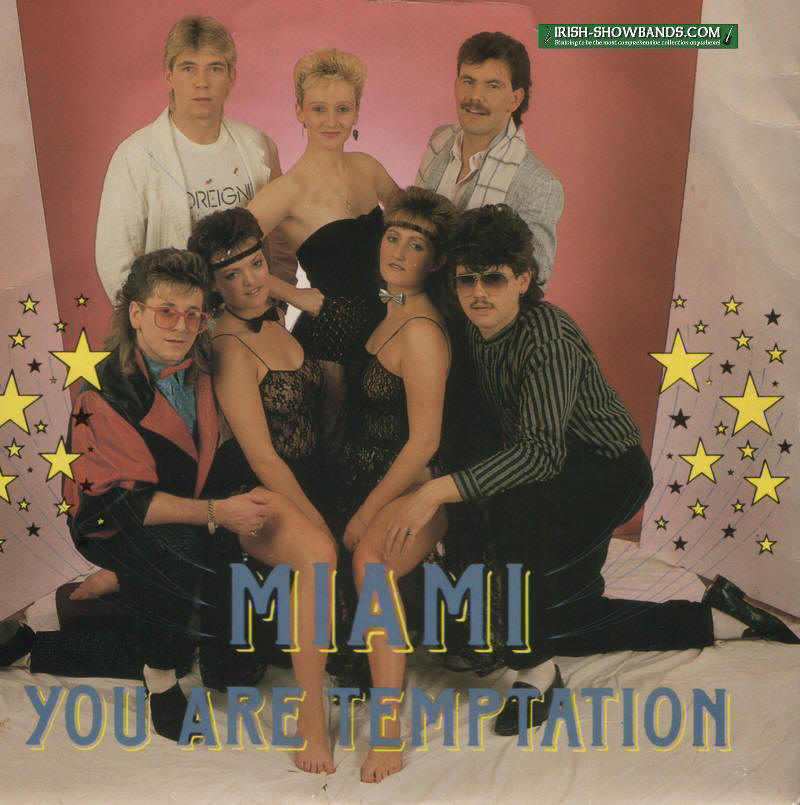
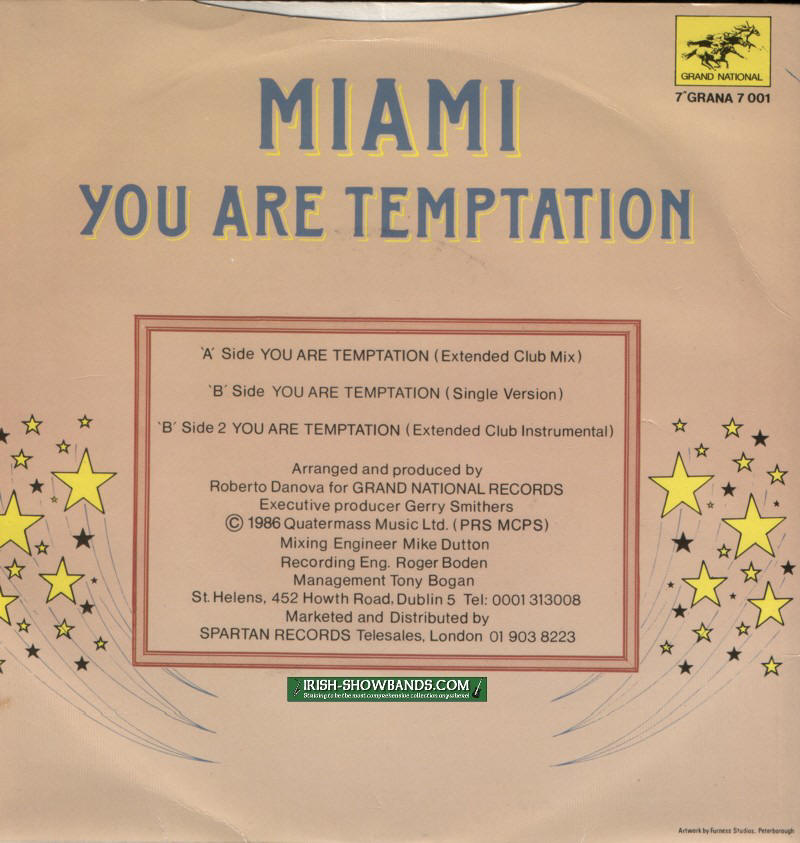
which I sang and You Are Temptation (sang by Colin Goodall). We
entered the Ballina Song Contest and got to the final."
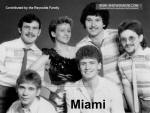
The full line up was Caroline Allen (vocals), Mick McAvenue (vocals), Colin Goodall (keyboards), Michael Connelly
(guitar), Alan Menton (bass), and Brendan Keogh (drums). Mick
McAvenue left after about 3 months and the rest of the line up
stayed together till 1984. At that time, they added two female
dancers/backup vocalists to the lineup: Sharon McGrail was from
Dublin and Denise Hyde was from London. Sharon recently contacted us
via email to say she and Denise stayed with the band for about 2
years. She also told us that after leaving the band, she
fronted a band called Casablanca.
In 1985, Colin Goodall left to form his own band and was replaced by
Pat Coldrick (formally of the Memories). Pat played lead guitar so
Michael Connelly switched from lead guitar to playing keyboards. In
1986, Caroline went off the road suffering from nodules on her vocal
chords, but she returned after six months. Anto Long tell us the
band eventually emigrated to Mexico under the name the Europa Show
where it disbanded about a year later, but we think this was the
earlier version of the band (see above).
Resurrected by Gerry Brown (1996-97 and 2008-present)
However, the final chapter in the Miami saga
would not be written until 1996 when a Newsround article by Betty
O'Brien announced the relaunching of the Miami on Easter Sunday,
1996, reportedly thirty four years after the launch of the original
Miami. The article reported
that Gerry Brown, brother of Eurovision winner, Dana was to lead the
new band on stage. Gerry approached band manager Michael Magill with
the idea and the band was formed with a programme that consisted of
"all the Miami hits, 14 songs from Fran O'Toole, 6 from Des Lee and
all Dickie Rock's big hits."
The new lineup was: Gerry Brown
(vocals/keyboards), Michael McGuiness (drums), Paul Beattie
(guitar), Niall O'Connor (keyboards), Stephen Bradley (sax), Noel
Barr (trumpet) and Connie Doherty (bass). We have no idea at this
point how long the last version of the Miami was on the road, but we
will find out as soon as we can.
The Miami
will never be forgotten. After being rebuilt five times (or more), they
continued to provide excitement for dancers and profits for
promoters and remain one of the best loved, and most successful, showbands of the era. One
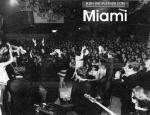
of the greatest gatherings of ex-showband musicians took place in
July, 2005 at Vicar Street, Dublin for the much celebrated 30 Year
Memorial concert for the Miami. The show was a great success and
featured many of the stars of the era, but also had a great finale
with Des Lee returning from South Africa where he then made his home
to lead an all star lineup play several of the band's greatest hits.
The proceeds from the event helped fund the building of a Miami
Memorial in Dublin, a campaign led by Stephen Travers and several of
the late band members' families.
Update 2008: Following the success of
the Vicar Street concert in 2005, Des Lee, Stephen Travers and Ray
Millar joined with Gerry Brown (who bought the Miami name in
the mid 90's) to recreate the excitement of the Miami Showband.
Joining the foursome were Johnny Fean (who has since left), former guitarist with Horslips
and Barry Woods, a long time veteran of the showband ranks having
played with The Newmen, Real McCoy and Lyttle People, among others.
The band hit the road in late 2008 and are managed by David Hull,
promoter of the famous "Do You Come Here Often" series of concerts.
Update 2012-15: We came across an advert
for the band playing a gig in 2012 which shows the lineup was Des
Lee, Ray Millar, Gerry Brown, Barry Woods and Trevor Millar (Ray's
brother). A further update in January 2015 from Gerry Brown lets us
know Adrain Jackson is now on bass and Dylan Bible on guitar.
Photo
Gallery
Click on thumbnails for full images
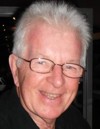 |
Jimmy Harte: After
leaving the Miami, Jimmy stayed close to home and joined the
Jack Flahive Orchestra. A few years later he moved on to the
Arrans Showband finally ended up living in Tuam and playing
with the Johnny Flynn Showband before emigrating to
Australia. Jimmy
emailed us in 2006 to tell us he is now living in Perth
Australia (he emigrated there in 1986) where he is still
playing and singing. He has toured extensively in Asia and
South Africa since leaving Ireland and released a CD of
original songs in 2006 as well. He
had a band there for 15 years which finished 7 years ago. He
now plays solo using backing tracks and recently celebrated
his 70th birthday. |
 |
Tony Harris: We think
Tony went on to join Maisie McDaniel's Fendermen in the
early sixties. If you know more,
please let us know. |
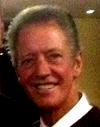 |
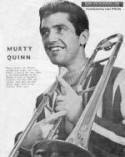
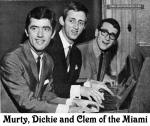
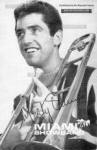
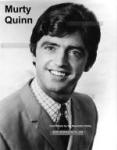
Murty Quinn: Murty
left the Miami (and took most of the band along) in 1967 to
form The Sands Showband. The Sands
recruited Tony Kenny for lead vocals and enjoyed a very
successful run in the late 60's and early 70's rivaling the
popularity of the Miami in many venues. However, Murty left
the band in 1973 and they eventually faded away. Although we
know Murty is still in Ireland and continued working in the
music business, we were unsure whether he was still playing. An
email from James Hosey in Oct, 2014 told us Murty
then worked in the transportation sector in Dublin. An
email from Murty's son, Mark, in late 2015 told us Murty
went into cabaret after the Sands and retired from show
business a few years ago. |
 |
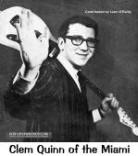
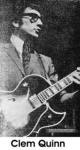
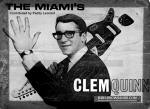
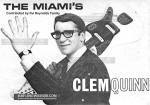
Liam "Clem" Quinn: RIP
Clem would continue playing the guitar as a solo artist well
past the end of the showband era into the early 1990's. He
sadly passed away in November, 1996. If you
know more,
please let us know. |
|
|
Tony Bogan: We
received an email from Tony's nephew, Des Fitzgerald, to
tell us Tony and Margaret emigrated to Canada a few years
ago to be closer to their daughter who lives there. He was
actively playing in the Dublin area up until then playing
weekly in Jury's and Sak's. He was also playing with Martin
Phelan's band, Martin's daughter Emma wrote to tell us
recently. |
|
|
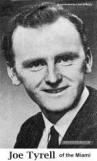
Joe Tyrell: If you
know more,
please let us know. |
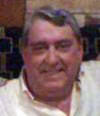 |
Martin Phelan: RIP
Des
Hickey had written to tell us that Martin had a five piece band in
Dublin doing mostly weddings and corporate gigs.
His son, Tagart was on keyboards, daughter Leanne sang and
the band's guitarist was Brian Harris (ex-Creatures). On
drums was Martin Branigan who played with many bands. From
time to time, Des sat in on guitar when Brian was away.
Martin's daughter Emma, recently wrote to say Tony Bogan was
on drums before emigrating a few years ago. She also told us
Martin was living in Dundrum. After
leaving the Sands, Martin also went into the hotel business,
purchasing a hotel in Dalkey. Sadly, Martin passed away on
the 17th July, 2010. |
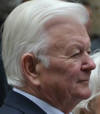 |
Tommy O'Rourke:
We know Tommy is living in Dublin, but nothing else.
If you know more,
please let us know. |
 |
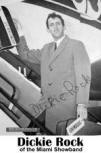
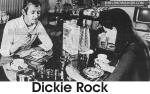
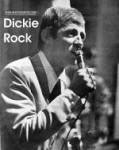
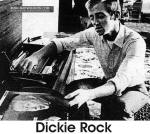
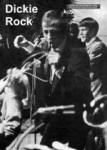
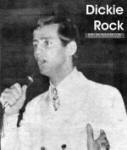
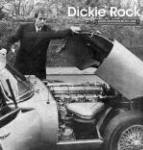
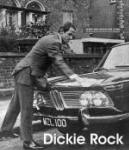
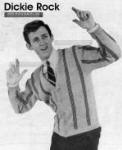
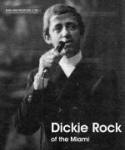
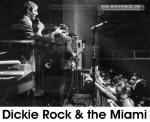
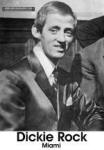
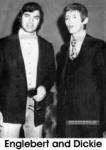
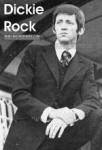
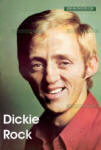
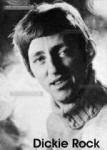
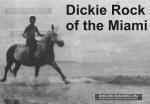
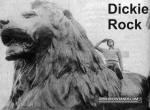
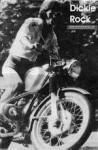
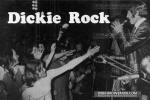
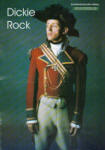
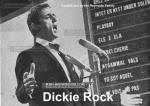
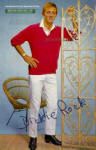
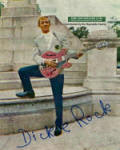
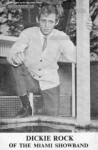
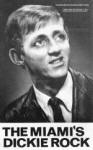
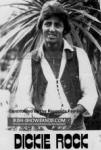
Dickie Rock - RIP: What can
be said or written about Dickie that hasn't already been
done? After leaving the Miami in 1972, Dickie first played
the ballrooms with his own Dickie's Band before moving into the cabaret
scene. Although he never enjoyed the chart dominance of his
younger days with the Miami, he continued to pack crowds in
where ever he appeared and was one of Ireland's
most beloved and most successful entertainers with a career
that spans over six decades. Sadly, Dickie passed away
December 6th, 2024. |
|
|
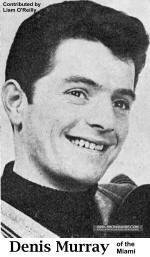
Denis Murray: Denis
left the band to join The Sands along with the others and
around 1974/5, he emigrated to the United States' west coast
and for a while, he played a residency on the Queen Mary in
Long Beach. He later formed an Irish ballad group. He is still in Southern California
and works with the Los Angeles Department of Health
Services. |
|
|
Martin Branagan:
Martin joined the band replacing Tony Bogan and had
previously been with Roly Daniel's Green County. He left the
band to join the Big Eight and was replaced by Ray Millar.
Des Hickey writes to tell us Martin had been playing with Martin
Phelan's band around Dublin doing weddings and
corporate gigs. Since Martin's Phelan's passing in 2010, we
are unsure what Martin is up to these days. |
 |
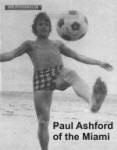
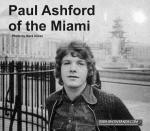
Paul Ashford: RIP After
leaving the Miami, Paul enjoyed a career as one
of Ireland's most creative musical forces. He played with Stepaside with Robbie Brennan in the
late 70's, as well as The Furey Brothers and Dave Arthur, Mike
Hanrahan from Stockton's Wing, Ronnie Drew and spent two
years touring with Jerry Lee Lewis. Paul had numerous song
writing credits along with his own records (One In Every Town, Jenny,
etc.). He played bass with Paul Brady, Mark Knopfler,
Dire Straits, Joe Elliot of Def Leppard, Dolores Keane and
Barbara Dickson, as well as numerous sessions. Sadly he
passed away January 10, 2011. |
 |
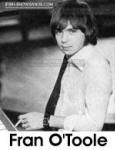
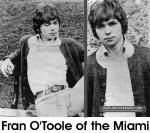
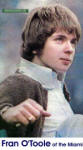
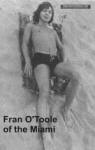
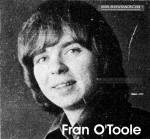
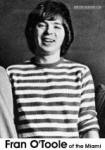
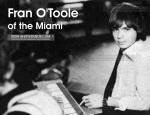
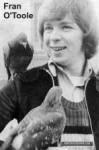
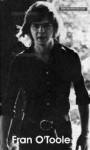
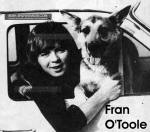
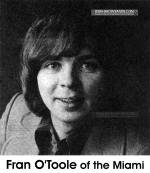
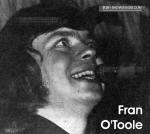
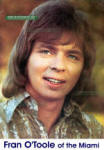
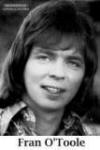
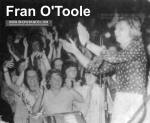
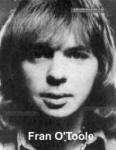
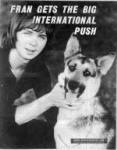
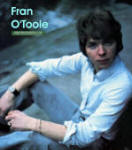
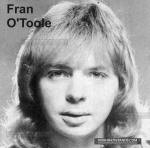
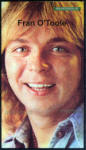
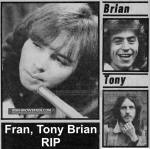
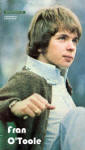
Fran O'Toole: RIP
After Dickie's departure, Fran eventually stepped into the
role as the band's front man. In the early seventies he became increasingly known
for his songwriting skills, as well as his vocals and
musical abilities. Just as it appeared he was ready to
become one of the top stars of the era, he was gun downed in
the Miami massacre and his talents were forever lost to the
Irish entertainment industry. He died, along with Brian
McCoy and Tony Geraghty, on July 31, 1975, only days after
the tragic death of showband legend Tom Dunphy. |
 |
Danny Ellis:
When Danny left the band, he went to New York to study with
the Guru Maharaji Ji. That move lead him on a quest of self
discovery that has lasted over 30 years, Danny still plays
and writes music and has recently made a CD called
This Tenderness
which Danny describes as"simply a way for me to express my
journey to joy, my longing for more of the same and my
gratitude to life..." He then made 800 Voices
which recollects his time spent in the Artane Industrial
School and has been gaining a lot of notice both here and
abroad. You can read more about Danny at www.dannyellis.net. |
|
|
Pat McCarthy: Pat
stayed with the Miami for a while and left to join the newly
formed Dreams and was eventually replaced by
Danny Ellis. He has since played with the Jim Tyrell band as
well as the Coolgreany Jazz Band and continues to play in
jazz bands around the Dublin area. |
 |
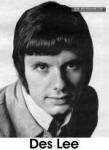
Des Lee (McAlea): Des
survived the attack on the Miami showband and in late 1975
he reformed the band along with Ray Millar and Stephen
Travers. After a couple of years he broke away and formed
Starband. Starband did well on the dance circuit and in
1982,
Des put together a new version of Starband which may have
been also known as the Des Lee Band. The band emigrated to
South Africa where Des lived until recently. The
photo right is from the 2005 Miami 30 Year reunion Concert
held in Dublin. Today Des is singing regularly with the
reformed Miami Showband which has been touring Ireland since
late 2008. |
 |
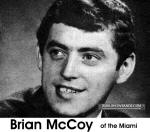
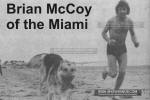
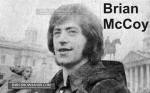
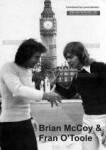
Brian McCoy: RIP
Brian joined the Miami in 1967 at the same time as Des, Fran
and Danny Ellis when Murty Quinn and most of the band's
lineup split to form The Sands Showband. Sadly, he
was gunned down with Fran and Tony on the night of July
31st, 1975 in one of the worst tragedies in Irish entertainment
history. |
 |
Tony Geraghty:
RIP
Sadly along with Fran O'Toole and Brian McCoy, guitarist
Tony perished on July 31, 1975 after terrorists attempted to
plant a bomb in their band wagon which exploded prematurely.
Tony had replaced the late legendary Clem Quinn on guitar
when Dickie Rock left the Miami to form Dickie's Band in
1972. |
 |
Stephen Travers:
Although wounded in the Miami massacre, Stephen survived and
together with Des Lee and Ray Millar, reformed the Miami in
late 1975. In 1978, he went with Des and Ray again, but this
time to form Starband with Adrian Mullin of Chips and
Aoughus McNally. His time with the new band was short lived
though as in 1980, he
left to The Crack, a four piece rock/pop outfit. In
1996, Steven met up (again) with Johnny Fean of Horslips in
London and they had been playing together until a few years
ago. We
understand Steven spends a lot of time in Florida these
days, as well as touring with the reformed Miami Showband since late
2008.
|
 |
Ray Millar: After
leaving the Miami, Ray went with Stephen and Des to form
Starband. We have read online that he runs a major
recycling company in Northern Ireland. In 2008, Ray joined
up with former band mates Steve Travers and Des Lee in the
reformed Miami Showband which was put together by Gerry
Brown. The band is still on the road today and Ray is still
in the lineup, which has undergone some change in the last
few years. . |
 |
Mick Roche - RIP: Mick
left the Arrows to join the the Dublin Corporation (formerly
the Pacific) and the band went to Canada. In 1973 he joined
the Miami for a short time. Sadly, Mick passed away on May
11, 2019. |
|
|
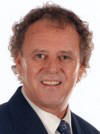
Des Flaherty:
If you know more,
please let us know. |
 |
Norman Clifford-RIP: John
O'Regan wrote to tell us that Norman was with the Miami
prior to the Big Eight. Our thanks to Ray Clifford for the
updated photos of Norman. Ray told us in an email in early
2011 that Norman's first Band was the Imperial Imps, he
joined them when he was only 14 years old. He then joined
forces with Anne Mooney and Paul Hallion and formed Lola and
the Gypsies. Later on he joined the reformed Miami Showband
before moving on to the Big 8 Showband. Norman was living
and working in Las Vegas as a soloist he performed
in the various casinos in Vegas, then in season he performed
on the Cruise Ship " Voyager of the Seas " for Royal
Caribbean. Sadly,
Norman passed away January 13th, 2014 in Las Vegas. |
|
|
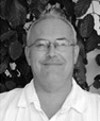
Ray Clifford: We
received an email from Lynda Clifford telling us that after
leaving the Miami, Ray joined Stage Two. As the showband
scene faded, he moved to cabaret and played with Johnny
Christopher and Benny Kindillen. Eventually Ray went to
Canada with Mick Dunne, but after six months returned to
Ireland working the cabaret scene. After stints with the
Pierce Butler band and Earl Gill band, he is now the musical
director for Sonny Knowles and plays with his own band
around Dublin called Charm. Our thanks to Lynda for the
info. |
 |
Anthony "Anto" Long:
After leaving the Miami he joined the Sands for a spell. Anto teamed up with Rob Strong,
Kelley and Las Vegas before heading off with a band he
formed to tour Mexico. After a stint there, he returned to
Ireland and got back with Kelley in her band Klass
and then on to Laurie Hartz' Band. Finally, he rejoined
the Miami which eventually left Ireland to tour
Mexico as the Europa Show. After a year, the band
split but Anto remained in Mexico where he has been for the
past 20 years. In 2003 he "retired" from live performing,
although he still plays occasionally, but works full time in
the tourism industry in Mexico. |
|
|
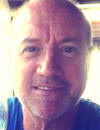
Raphaelle Ward: We
know she was also in Cathal Dunne's band, Stateside in the
mid seventies, but have no idea what happened to Raphaelle.
If you know more,
please let us know. |
 |
Charlie Chapman -
RIP:
We received an email from Magarita Mendez in January, 2014
telling Charlie was living in Spain in those days and was still
playing. Charlie was actually in Lanzerote and remained very
active on the local scene right up until the end of 2022. We
received very sad news on January 7th, 2023, that Charlie
had passed away. We are unsure of the circumstances of his
passing. |
|
|
Peter Eades: After
leaving the band, Peter joined Jump The Gun which
included Roy Taylor (Nevada) and Miami band mate, Brian
O'Reilly. He focused on songwriting and wrote the band's
1988 Eurovision entry, Take Him Home. In the 1990's
he became well-known in Irish music circles as a composer
and producer. As the director and sound engineer in one of
Dublin's top recording studios, Peter has worked with some
of Ireland's most popular recording acts. |
|
|
P.J. Coyne: If you
know more,
please let us know. |
 |
Paul Duffy:
After leaving the
Miami, Paul, of Donegal, did a six year stint as a vocalist
and saxophone player with the band The Commitments,
who in 1991 had their history immortalized by Alan Parker’s
movie of the same name. He then emigrated to the Florida and
now has his own pub, The Irish Rover in the Sarasota area. His CD, Dublin, features all
original music and his more recent release entitled Ride
On features several Irish pop tunes.
He also
competed against band mate Peter Eades in the 1988 Irish
Song Contest and placed third. |
|
|
Caroline Allen: Gerry
Brown writes to tell us that as of April, 2009 Caroline is
married, has one child and is living in Wicklow. She also
works as a DJ in the local bars and clubs. If
you know more,
please let us know. |
 |
Alan Menton:
Alan currently plays around in Ireland with his own band,
Jewel.- www.jewel.ie |
 |
Gerry Brown:
Gerry has traveled the world as musical director for his
famous sister, Dana, who was Ireland's first Eurovision
winner in 1970. He brought the Miami back in the 1990's
after buying the name. In 2008, Gerry brought the band together
once again with former members Steve Travers, Ray Millar and
Des Lee touring Ireland since the Fall of 2008. The band
also included former member of the Plattermen, Alan
McCartney. |
|
|
Michael Connolly:
If you know more,
please let us know. |
|
|
Liam Slattery:
If you know more,
please let us know. |
|
|
Brian O'Reilly:
If you know more,
please let us know. |
|
|
Brendan Keogh:
If you know more,
please let us know. |
|
|
Colin Goodall:
If you know more,
please let us know. |
|
|
Mick McAvenue:
If you know more,
please let us know. |
|
|
Sharon McGrail: Sharon
emailed us in Dec, 2011 to let us know that "after
leaving the band I went on to front another band called
Casablanca and we worked all over Ireland for about a year
in 1986. Then I got a "real job" until 1997 when I started
singing again and fronted a pop covers band called Savannah,
a 3 piece with Damien Christie (Skerries) on guitar,
keyboards and vocals and Alan Brodington (Drogheda) on bass
guitar. We were together for 4 years until I left." Sharon
is the daughter of Steve McGrail who managed the Gaydons and
also booked showbands playing the English "Irish" circuit.
Sadly Steve passed away in October, 2010. Our thanks to
Sharon for the update.
|
|
|
Denise Hyde:
If you know more,
please let us know. |